
Creating a thriving garden in full sun can feel like both an exciting opportunity and a creative challenge. With sunlight pouring in for most of the day, your outdoor space has the perfect conditions to grow a wide variety of stunning, long-lasting plants. This is where full sun perennial garden plans truly shine. Unlike annuals that need to be replanted each year, perennials return season after season, making them a smart, low-maintenance, and cost-effective choice for gardeners who want beauty that lasts. In 2026, gardening trends are shifting toward sustainable, easy-care landscapes, and full sun perennial gardens are at the heart of this movement.

A full sun garden typically receives at least 6–8 hours of direct sunlight daily, creating ideal conditions for vibrant blooms, bold textures, and lush greenery. However, designing a successful full sun perennial garden is more than just planting flowers randomly. It requires thoughtful planning, strategic plant selection, and an understanding of how colors, heights, and bloom times work together. When done right, your garden can transform into a visually stunning, ever-changing landscape that provides color, structure, and interest throughout the growing season.
One of the biggest advantages of full sun perennial gardening is the incredible variety of plants available. From cheerful daisies and elegant lavender to bold coneflowers and dramatic ornamental grasses, the options are endless. These plants are naturally adapted to thrive in sunny conditions, meaning they often require less maintenance once established. Many are also drought-tolerant, making them perfect for gardeners who want a beautiful outdoor space without constant watering or upkeep. This makes full sun perennial gardens not only visually appealing but also practical and eco-friendly.
Another reason full sun perennial garden plans are so popular is their ability to create layered, professional-looking designs. By combining plants of different heights—tall backdrops, medium fillers, and low-growing ground covers—you can achieve a balanced, visually pleasing layout. This layered approach mimics natural landscapes and adds depth and dimension to your garden. Additionally, mixing textures, such as soft grasses with bold flowering plants, enhances the overall aesthetic and keeps your garden interesting even when certain plants are not in bloom.
Color plays a crucial role in designing a full sun perennial garden. In spring and summer, bright and cheerful hues like yellows, purples, pinks, and oranges dominate the landscape, creating a lively and inviting atmosphere. In 2026, trending garden designs emphasize harmonious color palettes, where complementary shades are used to create a cohesive look. For example, pairing warm tones like orange and red with cool purples and blues can create a striking contrast, while sticking to soft pastels can give your garden a calm, romantic feel. Choosing a color theme in advance helps ensure your garden looks intentional and Pinterest-worthy rather than chaotic.
Beyond aesthetics, full sun perennial gardens also offer significant environmental benefits. Many sun-loving perennials attract pollinators such as bees, butterflies, and hummingbirds, supporting local ecosystems and promoting biodiversity. Plants like coneflowers, black-eyed Susans, and salvia are not only beautiful but also play an essential role in keeping pollinator populations healthy. By incorporating these plants into your garden plan, you’re not just creating a pretty space—you’re contributing to a healthier environment. This aligns perfectly with modern gardening trends that focus on sustainability and eco-conscious design.
Functionality is another important aspect of planning your garden. A well-designed full sun perennial garden can serve multiple purposes, from creating a relaxing retreat to enhancing curb appeal or even providing a space for outdoor gatherings. You might include pathways, seating areas, or decorative features like trellises and garden borders to make the space more usable and inviting. These elements help transform your garden into an outdoor living space, blending beauty with practicality.
For beginners, the idea of planning a full sun perennial garden might seem overwhelming, but it doesn’t have to be. With the right approach, anyone can create a stunning garden that thrives year after year. Start by assessing your space, understanding your soil type, and selecting plants that are well-suited to your climate. From there, you can experiment with layouts, color combinations, and plant groupings to find what works best for your vision. The key is to start simple and build gradually, allowing your garden to evolve over time.
In this article, we will explore 10 full sun perennial garden plan ideas that are designed to inspire and guide you. Each idea will include detailed explanations, step-by-step instructions, and practical tips to help you bring your vision to life. Whether you’re looking to create a vibrant flower bed, a structured landscape design, or a cozy garden retreat, these ideas will provide the inspiration and guidance you need.
From color-coordinated flower beds and pollinator-friendly layouts to low-maintenance drought-resistant designs and modern minimalist gardens, these ideas are tailored to suit a variety of styles and skill levels. Each concept is carefully curated to be beginner-friendly, visually appealing, and easy to recreate, ensuring that your garden not only looks beautiful but also thrives in full sun conditions.
By the end of this guide, you’ll have a clear understanding of how to design and maintain a full sun perennial garden that reflects your personal style while maximizing the potential of your outdoor space. Whether you’re a seasoned gardener or just starting out, these ideas will help you create a garden that is colorful, dynamic, and truly unforgettable. Get ready to transform your outdoor area into a lush, sun-filled paradise that you’ll enjoy for years to come.
Idea 1: Color-Coordinated Flower Bed Garden Plan
Introduction
A color-coordinated flower bed is one of the most visually striking ways to design a full sun perennial garden. Instead of randomly mixing plants, this approach focuses on selecting flowers within a specific color palette to create a cohesive and elegant look. In 2026, garden trends emphasize harmony and intentional design, making color coordination a top choice for Pinterest-worthy outdoor spaces. Whether you prefer soft pastel tones for a calming effect or bold, vibrant colors for a lively atmosphere, this garden plan allows you to express your personal style. The beauty of a color-coordinated garden lies in its ability to look organized yet natural, offering a seamless blend of shades that evolve throughout the seasons. This idea is perfect for front yards, borders, or backyard focal points, instantly boosting curb appeal while remaining easy to maintain.

Definition/Explanation:
A color-coordinated garden plan involves grouping perennials based on complementary or monochromatic color schemes. This creates a unified and polished appearance rather than a scattered mix of colors.
Step-by-Step How-to:
- Choose a Color Theme – Decide between warm tones (reds, oranges, yellows), cool tones (blues, purples), or pastels.
- Select Perennials – Pick plants that bloom in your chosen color palette and thrive in full sun.
- Plan Bloom Times – Ensure different plants bloom at different times for continuous color.
- Layer by Height – Place tall plants at the back, medium in the middle, and low growers at the front.
- Prepare Soil – Add compost and ensure proper drainage.
- Plant Strategically – Space plants according to growth size.
- Maintain Regularly – Water, mulch, and deadhead to keep the garden vibrant.
Materials/Things Needed:
- Selected perennial plants
- Garden tools (trowel, gloves)
- Compost or fertilizer
- Mulch
- Watering can or hose
Idea 2: Pollinator-Friendly Perennial Garden Plan
Introduction
A pollinator-friendly garden is not only beautiful but also incredibly beneficial for the environment. In 2026, sustainable gardening is a major trend, and creating a space that attracts bees, butterflies, and hummingbirds is both rewarding and impactful. Full sun conditions are perfect for many pollinator-loving perennials, making this garden plan ideal for eco-conscious gardeners. By incorporating nectar-rich flowers and diverse plant species, you can create a vibrant, lively garden buzzing with activity. This type of garden feels dynamic and ever-changing, bringing your outdoor space to life while supporting biodiversity. It’s also a wonderful educational experience for families, helping children and adults connect with nature. With thoughtful planning, your pollinator garden can be both low-maintenance and visually stunning, making it a perfect addition to any yard.

Definition/Explanation:
A pollinator-friendly garden focuses on plants that provide nectar and pollen, supporting beneficial insects and birds while enhancing the garden’s ecosystem.
Step-by-Step How-to:
- Choose Pollinator Plants – Select perennials known to attract bees and butterflies.
- Diversify Plant Types – Include a variety of shapes, sizes, and bloom times.
- Plan Layout – Group similar plants together for better visibility to pollinators.
- Ensure Sun Exposure – Place plants in areas receiving full sunlight.
- Add Water Source – Include a shallow dish or birdbath.
- Avoid Chemicals – Use organic pest control methods.
- Maintain Habitat – Leave some natural areas for nesting and shelter.
Materials/Things Needed:
- Pollinator-friendly perennials
- Birdbath or shallow water dish
- Organic compost
- Mulch
- Gardening tools
Idea 3: Low-Maintenance Drought-Resistant Garden Plan
Introduction
For those who want a beautiful garden without constant upkeep, a low-maintenance drought-resistant perennial garden is the perfect solution. With rising temperatures and busy lifestyles, many gardeners in 2026 are choosing plants that require less water and care while still delivering stunning results. Full sun areas are ideal for drought-tolerant perennials, which are naturally adapted to withstand heat and dry conditions. This garden plan focuses on efficiency, sustainability, and long-term beauty. By selecting hardy plants and using smart landscaping techniques, you can create a garden that thrives with minimal effort. This approach is especially beneficial for beginners or those with limited time, as it reduces the need for frequent watering, pruning, and fertilizing. The result is a resilient, eco-friendly garden that looks vibrant and lush even in challenging conditions.

Definition/Explanation:
A drought-resistant garden plan uses hardy perennials that require minimal water once established, making it both sustainable and low-maintenance.
Step-by-Step How-to:
- Select Drought-Tolerant Plants – Choose perennials suited for dry, sunny conditions.
- Improve Soil Drainage – Add sand or compost to prevent water retention.
- Use Mulch – Retains moisture and reduces evaporation.
- Group Plants Wisely – Place plants with similar water needs together.
- Water Deeply but Infrequently – Encourage strong root growth.
- Limit Lawn Areas – Replace with gravel or ground covers.
- Maintain Occasionally – Minimal pruning and seasonal cleanup.
Materials/Things Needed:
- Drought-resistant perennials
- Mulch or gravel
- Compost
- Watering system or hose
- Basic gardening tools
Idea 4: Layered Cottage Garden Plan
Introduction
A layered cottage garden is a timeless and romantic approach to full sun perennial gardening. Inspired by traditional English gardens, this style embraces a slightly wild, overflowing look filled with flowers of different heights, textures, and colors. In 2026, cottage gardens are trending for their natural beauty and relaxed charm. This garden plan creates a lush, full appearance by layering plants from ground level to tall backdrops, giving the illusion of abundance. The mix of flowers, textures, and colors creates a soft, dreamy aesthetic that feels inviting and cozy. Despite its seemingly unstructured look, a successful cottage garden requires thoughtful planning to balance height, color, and bloom times. This style is perfect for gardeners who love a more organic, free-flowing design while still maintaining visual harmony.

Definition/Explanation:
A layered cottage garden uses a mix of perennials planted closely together in tiers, creating a dense, overflowing floral display.
Step-by-Step How-to:
- Choose a Variety of Plants – Include tall, medium, and low-growing perennials.
- Plan Layout – Arrange plants in layers for depth and fullness.
- Mix Colors and Textures – Combine soft and bold hues with varied foliage.
- Prepare Soil – Enrich with compost for healthy growth.
- Plant Densely – Reduce empty spaces for a lush look.
- Add Garden Features – Include trellises or pathways.
- Maintain Naturally – Allow some controlled growth for a wild feel.
Materials/Things Needed:
- Variety of perennial plants
- Compost or fertilizer
- Garden structures (optional)
- Mulch
- Gardening tools
Idea 5: Modern Minimalist Perennial Garden Plan
Introduction
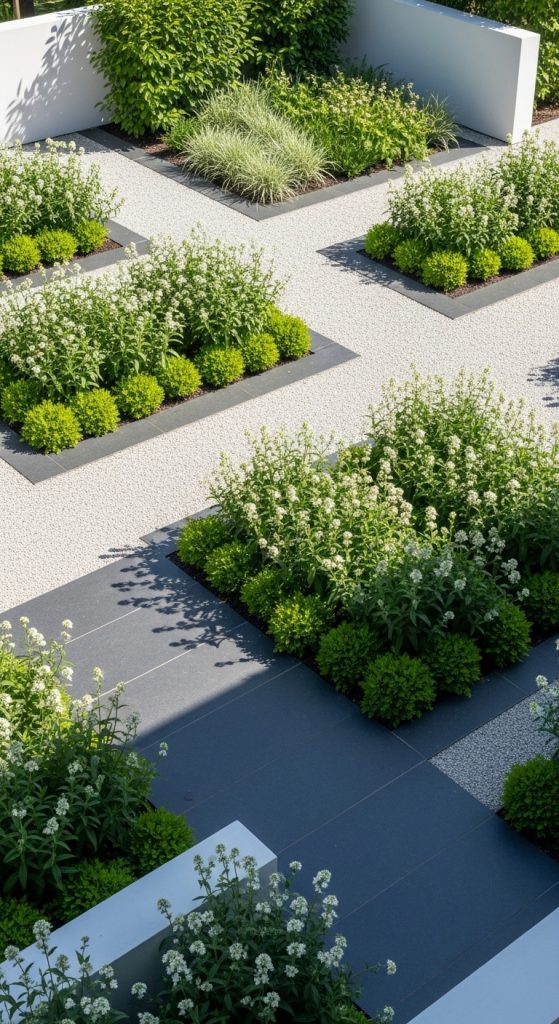
For a sleek and contemporary outdoor space, a modern minimalist perennial garden is an excellent choice. This design focuses on clean lines, simple plant selections, and a structured layout. In 2026, minimalist gardens are trending for their low-maintenance nature and sophisticated appearance. Instead of using a wide variety of plants, this plan emphasizes repetition and uniformity, creating a calm and organized aesthetic. Full sun conditions enhance the clean look by highlighting textures and shapes, especially when combined with gravel, stone, or concrete elements. This garden style is perfect for modern homes or anyone who prefers a clutter-free, elegant outdoor space. Despite its simplicity, a minimalist garden can be highly impactful, offering a peaceful retreat that feels both stylish and functional.
Definition/Explanation:
A minimalist garden plan uses a limited number of plant species arranged in a structured, repetitive layout, emphasizing simplicity and balance.
Step-by-Step How-to:
- Choose a Limited Plant Palette – Select 2–4 types of perennials.
- Plan Symmetry – Arrange plants in clean, repeating patterns.
- Incorporate Hardscaping – Add gravel, stones, or pathways.
- Prepare Soil – Ensure proper drainage and nutrients.
- Plant with Spacing – Maintain clean lines and avoid overcrowding.
- Use Neutral Colors – Greens, whites, and soft tones work best.
- Maintain Regularly – Keep plants trimmed and neat.
Materials/Things Needed:
- Selected perennial plants
- Gravel or stones
- Compost
- Gardening tools
- Watering system
Idea 6: Butterfly Garden Paradise Plan
Introduction
If you want to turn your outdoor space into a lively, magical retreat, a butterfly garden paradise is a perfect choice. In 2026, gardens that attract wildlife—especially butterflies—are trending for their beauty and environmental benefits. Full sun conditions are ideal for butterfly-friendly perennials, which thrive in bright light and produce nectar-rich blooms. This garden plan focuses on creating a colorful, inviting space that supports butterflies throughout their life cycle. From vibrant flowers to sheltered resting spots, every element contributes to a thriving ecosystem. Watching butterflies flutter through your garden adds movement, color, and a sense of tranquility. This idea is perfect for homeowners who want a relaxing, nature-inspired outdoor space that feels both lively and peaceful. With the right plant selection and layout, you can create a garden that is not only visually stunning but also environmentally meaningful.

Definition/Explanation:
A butterfly garden is designed with nectar-rich plants and habitat features that attract and support butterflies, encouraging biodiversity in a sunny outdoor space.
Step-by-Step How-to:
- Choose Butterfly-Friendly Plants – Select perennials that produce nectar.
- Plan Sunny Layout – Place plants where they receive full sunlight.
- Add Variety – Include different flower shapes and colors.
- Create Shelter Areas – Add shrubs or small structures for protection.
- Provide Water Source – Use shallow dishes with stones.
- Avoid Chemicals – Use natural pest control methods.
- Maintain Regularly – Deadhead flowers to encourage blooming.
Materials/Things Needed:
- Butterfly-attracting perennials
- Shallow water dish
- Mulch
- Organic compost
- Gardening tools
Idea 7: Perennial Border Garden Plan
Introduction
A perennial border garden is a classic and highly effective way to define spaces while adding beauty and structure to your yard. Perfect for pathways, fences, or property edges, this garden plan creates a neat yet vibrant boundary filled with sun-loving plants. In 2026, border gardens are becoming increasingly popular because they enhance curb appeal while remaining practical and easy to maintain. By arranging perennials in layers, you can create a continuous flow of color and texture that guides the eye along the space. This type of garden works well in both small and large areas, offering flexibility in design. Whether you prefer bold, colorful blooms or soft, calming tones, a perennial border garden adds elegance and organization to your outdoor space. It’s an ideal solution for homeowners looking to combine functionality with aesthetic appeal.

Definition/Explanation:
A perennial border garden is a linear arrangement of plants designed to frame or define an area, using layers of perennials for depth and visual interest.
Step-by-Step How-to:
- Define the Border Area – Mark edges along pathways or fences.
- Select Plants by Height – Tall at the back, medium in middle, low in front.
- Choose Color Scheme – Keep it cohesive for a polished look.
- Prepare Soil – Add compost for better growth.
- Plant in Rows or Clusters – Create a flowing design.
- Add Mulch – Helps retain moisture and reduce weeds.
- Maintain Regularly – Trim and water as needed.
Materials/Things Needed:
- Perennial plants
- Compost or fertilizer
- Mulch
- Garden edging tools
- Watering system
Idea 8: Rock Garden with Perennials Plan
Introduction
A rock garden with perennials is a stylish and low-maintenance option for full sun spaces. Combining natural stones with hardy plants creates a unique landscape that feels both modern and organic. In 2026, rock gardens are trending for their durability, sustainability, and aesthetic appeal. This garden plan is ideal for areas with poor soil or uneven terrain, as rocks provide structure while perennials add life and color. The contrast between rough stone textures and soft plant forms creates a visually striking effect. Rock gardens are also highly practical, requiring less watering and maintenance compared to traditional gardens. This makes them perfect for busy homeowners or those looking for a drought-resistant solution. With thoughtful design, a rock garden can become a stunning focal point in your outdoor space, blending natural beauty with modern landscaping trends.

Definition/Explanation:
A rock garden combines stones and drought-tolerant perennials to create a structured, low-maintenance landscape that thrives in full sun.
Step-by-Step How-to:
- Choose Location – Select a sunny area with good drainage.
- Arrange Rocks First – Create natural-looking formations.
- Select Hardy Perennials – Choose plants suited for rocky environments.
- Prepare Soil – Add sand or gravel for drainage.
- Plant Between Rocks – Place plants in gaps and crevices.
- Add Mulch or Gravel – Enhance appearance and reduce weeds.
- Maintain Minimally – Occasional watering and pruning.
Materials/Things Needed:
- Natural stones or rocks
- Drought-tolerant perennials
- Sand or gravel
- Gardening tools
- Mulch
Idea 9: Seasonal Bloom Rotation Garden Plan
Introduction
A seasonal bloom rotation garden ensures that your outdoor space remains colorful and lively throughout the year. Instead of having all plants bloom at once, this garden plan focuses on selecting perennials with different blooming periods. In 2026, gardeners are prioritizing year-round interest, making this approach highly popular. By carefully choosing early, mid, and late-season bloomers, you can create a garden that continuously evolves, offering fresh colors and textures every few weeks. This dynamic design keeps your garden visually exciting and prevents dull periods where nothing is in bloom. It’s perfect for those who want a vibrant, ever-changing outdoor space that feels alive and engaging. With proper planning, this type of garden can deliver consistent beauty while remaining relatively easy to maintain.

Definition/Explanation:
A seasonal bloom rotation garden uses perennials with staggered blooming times to ensure continuous color and interest throughout the growing season.
Step-by-Step How-to:
- Research Bloom Times – Choose early, mid, and late-season perennials.
- Plan Layout – Distribute plants evenly across the garden.
- Prepare Soil – Add compost and ensure drainage.
- Plant Strategically – Mix bloom times for consistent color.
- Add Mulch – Retain moisture and prevent weeds.
- Maintain Regularly – Deadhead and prune as needed.
- Update Annually – Adjust plant selection for better balance.
Materials/Things Needed:
- Variety of perennial plants
- Compost
- Mulch
- Gardening tools
- Watering system
Idea 10: Raised Bed Perennial Garden Plan
Introduction
A raised bed perennial garden is a practical and stylish solution for full sun gardening. Raised beds provide better control over soil quality, drainage, and plant organization, making them ideal for beginners and experienced gardeners alike. In 2026, raised bed gardening is trending due to its efficiency and clean, structured appearance. These beds can be customized in size and shape, allowing you to create a neat and accessible garden layout. Full sun conditions enhance plant growth, while raised beds prevent issues like poor soil or waterlogging. This garden plan is perfect for small spaces, patios, or urban environments, offering flexibility and convenience. With proper design, raised beds can become a beautiful focal point while also making gardening easier and more enjoyable.

Definition/Explanation:
A raised bed garden involves growing plants in elevated soil beds, providing improved drainage, soil quality, and accessibility.
Step-by-Step How-to:
- Build or Buy Raised Beds – Choose durable materials like wood or metal.
- Select Location – Place beds in full sun areas.
- Fill with Quality Soil – Use a mix of compost and garden soil.
- Choose Perennials – Select sun-loving plants suited for raised beds.
- Plant Strategically – Arrange by height and spacing.
- Water Regularly – Raised beds may dry faster.
- Maintain Easily – Weed, prune, and refresh soil annually.
Materials/Things Needed:
- Raised bed frames
- Quality soil and compost
- Perennial plants
- Gardening tools
- Watering system