
Hair is one of the fastest ways to change how a character, a person, or even an entire visual concept is perceived. And yet, most hairstyle references used in art feel repetitive, safe, and predictable. Straight hair, basic ponytails, loose waves—these are everywhere. They work, but they don’t stand out. If your goal is to create something visually memorable in 2026, relying on overused hairstyle references is one of the biggest limitations you can impose on your own work.
The real problem isn’t lack of inspiration—it’s lack of intentional design. Most artists (and even casual creators) treat hair as a finishing touch instead of a structural element. They focus on face, outfit, or pose first, and then add hair at the end just to “complete” the look. That approach always results in average outcomes. In reality, hair should be part of the concept from the beginning, not an afterthought.
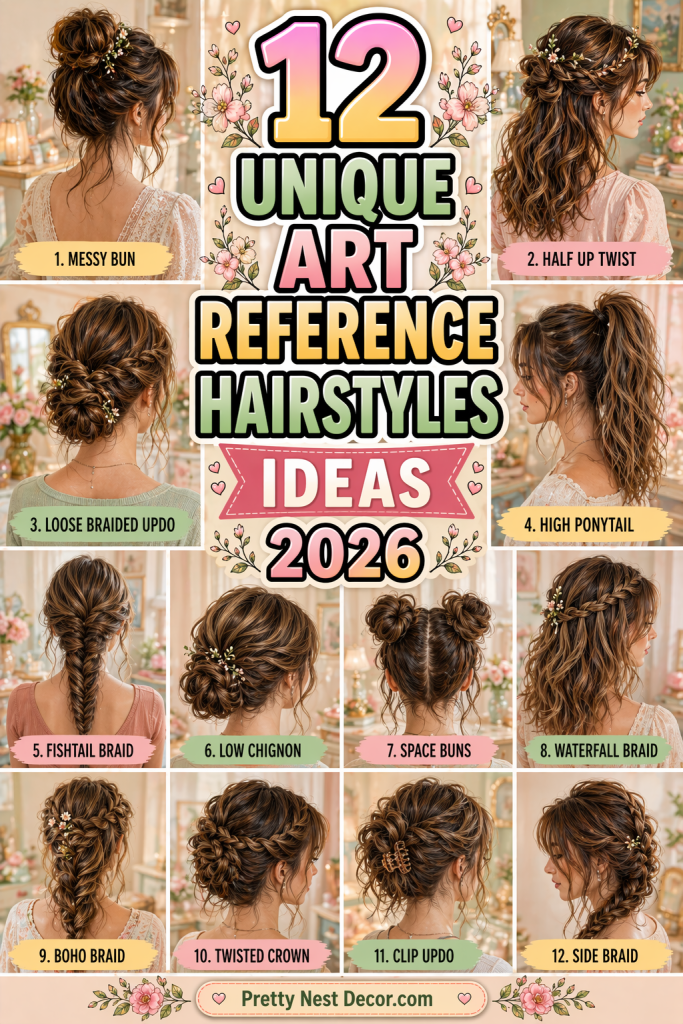
A strong hairstyle can define personality, mood, era, and even storytelling without a single word. Sharp, structured hair can communicate confidence or control. Soft, flowing layers can suggest calmness or vulnerability. Messy, asymmetrical styles can hint at rebellion or unpredictability. When you start thinking this way, hair stops being decoration and becomes visual language.
Another issue is that most reference ideas lack depth. They show a hairstyle, but they don’t explain why it works or how to adapt it. This leads to copying instead of understanding. If you only copy what you see, your work will always feel slightly disconnected. But if you understand the structure behind a hairstyle—volume, direction, layering, movement—you can recreate and modify it in endless ways.
2026 hairstyle trends are moving away from perfectly polished looks and toward controlled individuality. That means styles are becoming more expressive, more layered, and more dynamic. Clean lines still exist, but they are often combined with texture, contrast, or unexpected elements. This shift is especially important for artists, because it opens the door to more creative interpretations instead of rigid beauty standards.
Another key shift is the influence of digital platforms. Hairstyles are no longer just real-world references—they are shaped by aesthetics seen across visual platforms, character design trends, and stylized interpretations. This means your references should not just come from everyday looks, but from curated, visually strong concepts that translate well into art.
Texture is also becoming more important than ever. Flat, one-dimensional hair is quickly losing relevance in visual design. Whether it’s soft waves, sharp layers, or mixed textures within one style, dimension is what makes a hairstyle feel alive. Without it, even technically correct drawings can feel lifeless.
At the same time, simplicity still has power—but only when it is intentional. A simple hairstyle can look striking if it has a strong silhouette, clear shape, or unique detail. The difference between “basic” and “minimalist” is design awareness. Minimalist styles are controlled and purposeful, while basic styles feel accidental.
For artists, hairstyle references should do more than just show variety—they should expand your design thinking. You should be able to look at a hairstyle and understand how it changes the balance of the face, how it interacts with movement, and how it supports the overall concept of the character or subject.
In this guide, you’ll explore 10 unique art reference hairstyle ideas for 2026 that go beyond generic inspiration. Each idea is designed to help you think differently about structure, texture, and visual impact so your work doesn’t just look correct—it looks intentional and distinctive.
Because in strong visual design, hair is not just detail.
It’s identity.
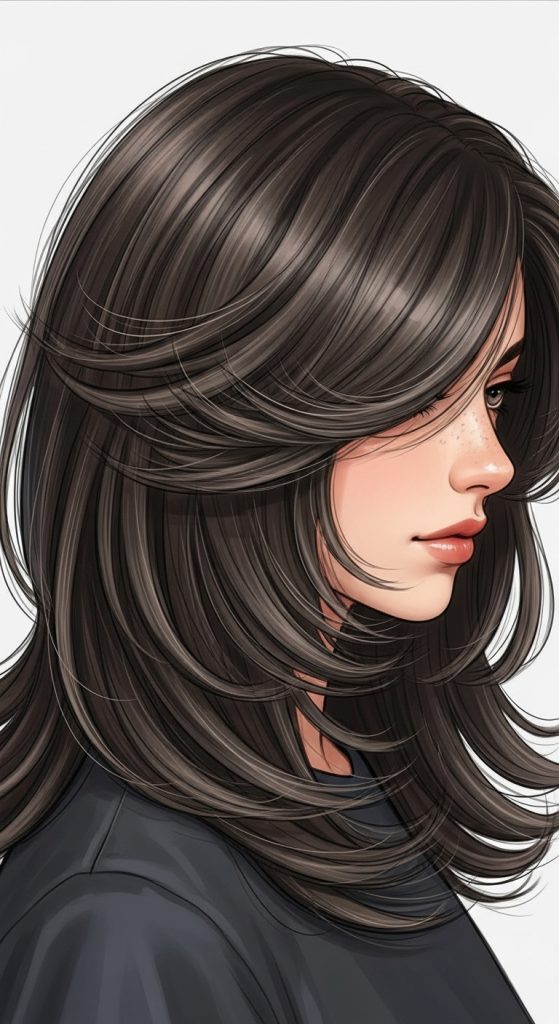
1. Layered Butterfly Flow Cut (Dynamic Volume & Movement Reference)
Most hairstyle references fail because they sit flat against the head. This one doesn’t. It’s built around lift, airflow, and layered motion, which makes it ideal for artists who want to practice depth instead of drawing static shapes.
What it is
A heavily layered hairstyle where shorter top layers create volume while longer bottom layers flow outward. The key feature is the “wing-like” spread—hair doesn’t fall straight down, it moves away from the face.
It creates a soft but dramatic silhouette that looks alive even in a still drawing.
How to implement it (practical steps)
This is about understanding direction and layering—not copying strands.
- Start by sketching the outer silhouette first (wide at top, tapered at ends)
- Divide hair into top volume layer and bottom flow layer
- Angle strands slightly outward instead of straight down
- Add soft curves to show bounce and lightness
- Keep ends feathered, not blunt
- Use shading to separate layers and show depth
If you’re drawing in a stylized way, exaggerate the outward flow.
If you’re going realistic, reduce volume but keep layering visible.
Best for
- Portrait art with soft aesthetic
- Feminine or expressive character design
- Movement-focused sketches
- Hair rendering practice
This works best when you want hair that adds energy to the composition.
Pro tip
Focus on direction groups, not individual strands. Hair should move in sections, not chaos.
Mistake to avoid
Don’t draw every strand separately—it kills flow and makes the hair look stiff.
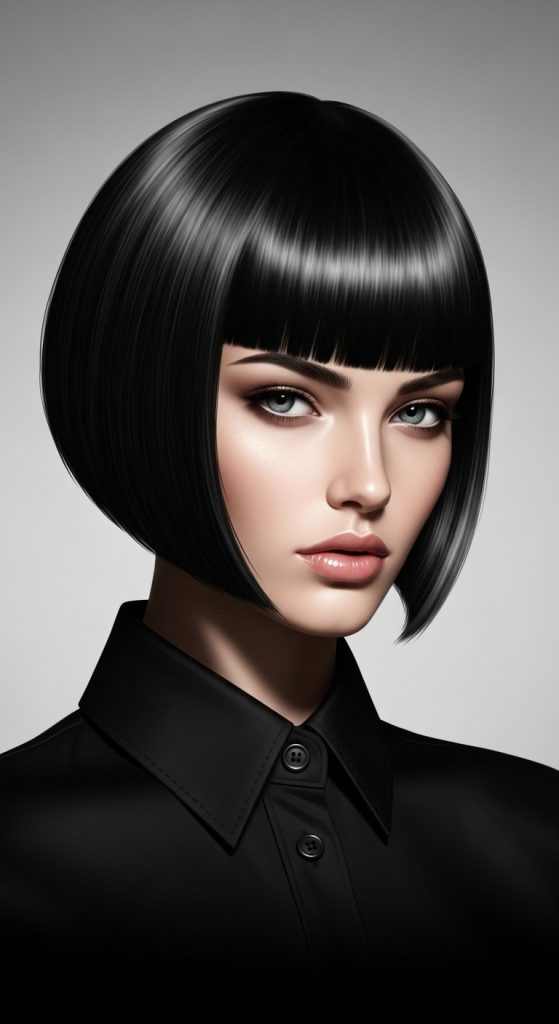
2. Sleek Sculpted Bob (Sharp Structure Reference)
This is the opposite of soft flow. It’s about control, precision, and clean geometry. Many artists struggle with sharp hairstyles because they rely too much on loose sketching. This style forces you to think in lines and structure.
What it is
A short bob cut with extremely clean edges, smooth surface, and defined shape. The hair hugs the head closely, with minimal volume but strong silhouette lines.
It creates a bold, confident visual identity.
How to implement it (practical steps)
This requires discipline in line work.
- Sketch the head shape first—this style follows it closely
- Draw the outer hair line as a clean, continuous shape
- Keep edges sharp and intentional (no random texture)
- Add minimal inner lines to suggest direction
- Use smooth shading to show shine and surface
- Keep volume controlled and close to the skull
If stylized, exaggerate the sharp angles.
If realistic, soften edges slightly but keep structure intact.
Best for
- Fashion illustration
- Editorial-style character design
- Strong personality visuals
- Clean line art practice
This works best when you want control and precision in your drawing.
Pro tip
Treat the hair like a solid shape first, then refine—not as loose strands.
Mistake to avoid
Don’t over-texture it. Too many lines destroy the sleek effect instantly.
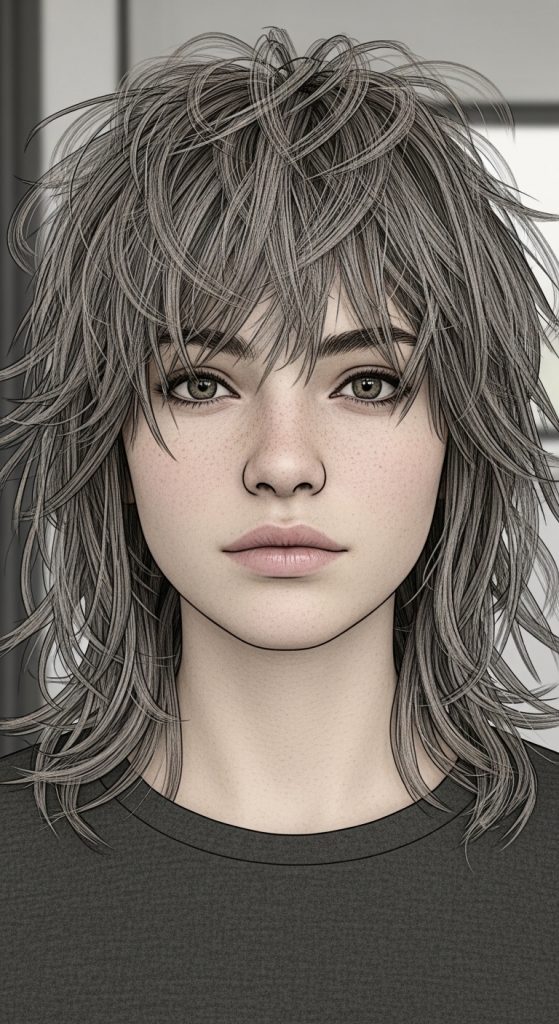
3. Messy Layered Shag with Texture Breaks (Controlled Chaos Reference)
Most artists either draw hair too neat or too messy. This style sits in between—it looks chaotic, but it’s actually structured. That balance is what makes it visually interesting and challenging to draw.
What it is
A medium-length shag haircut with uneven layers, broken texture, and irregular movement. Some sections stick out, others fall flat, creating contrast within the same hairstyle.
It feels raw, expressive, and slightly rebellious.
How to implement it (practical steps)
This is about controlled inconsistency.
- Start with a loose overall shape—don’t make it perfect
- Break the silhouette in small sections (jagged edges, uneven ends)
- Vary strand direction slightly across the head
- Add texture clusters instead of uniform lines
- Keep some areas denser and others lighter
- Use sketchy strokes but with intention, not randomness
If stylized, exaggerate unevenness.
If realistic, keep variation subtle but visible.
Best for
- Character design with attitude
- Casual or edgy styles
- Sketch-based art styles
- Texture practice
This works best when you want personality and imperfection in your work.
Pro tip
Think in “controlled mess”—every irregularity should still feel placed, not accidental.
Mistake to avoid
Don’t make the entire hairstyle equally messy. Contrast is what creates interest.
4. Braided Crown Fusion Style (Structured Detail + Flow Reference)
Most braid references focus on technique, not design. That’s why they often look repetitive. This style forces you to combine structure (braids) with flow (loose hair), which makes it far more useful for artistic development.
What it is
A hybrid hairstyle where a braid (or multiple braids) wraps around the head like a crown, while the rest of the hair remains loose, layered, or softly textured. It mixes control with movement in one composition.
It creates a balanced contrast between precision and softness.
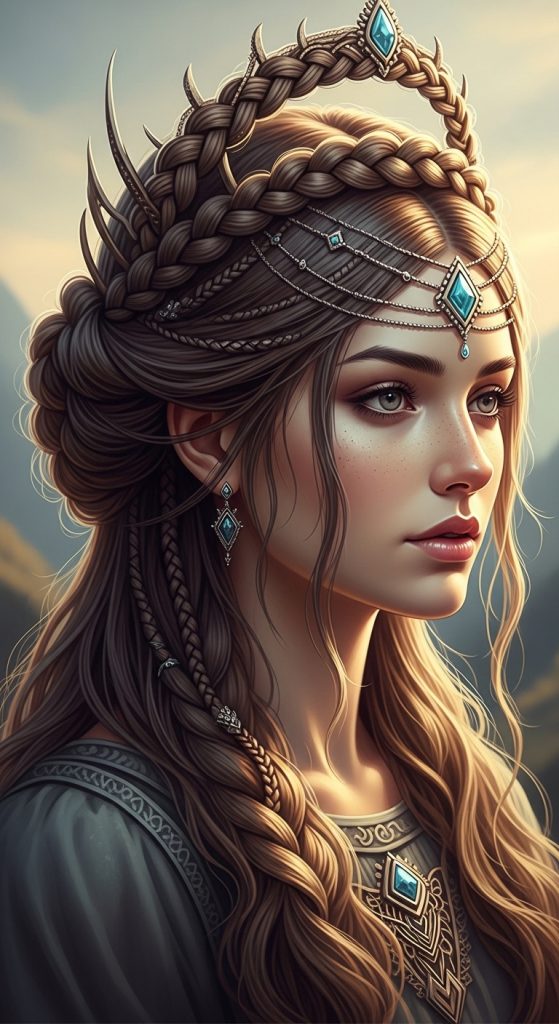
How to implement it (practical steps)
This is about separating structural zones.
- Map the head and decide braid placement (usually along hairline or crown)
- Draw the braid as a repeating pattern—not individual strands
- Keep braid tight and structured for contrast
- Let the remaining hair flow naturally underneath or behind
- Add slight volume at the crown for lift
- Use shading to clearly separate braid from loose sections
If stylized, simplify braid shapes into bold repeating forms.
If realistic, focus on overlapping segments and depth.
Best for
- Fantasy or character design
- Elegant portrait work
- Mixed-style practice (structure + flow)
- Decorative hairstyles
This works best when you want detail without losing overall softness.
Pro tip
Think of braids as “woven shapes,” not lines. Structure first, detail later.
Mistake to avoid
Don’t overcomplicate the braid pattern—it becomes confusing and loses clarity.
5. High Volume Curly Puff with Defined Edges (Texture Contrast Reference)
Curly hair is often either oversimplified or overcomplicated in art. This style teaches you how to handle volume and edge contrast at the same time—something most artists struggle with.
What it is
A high, rounded curly puff (or bun) with tight, voluminous curls, combined with smooth, defined edges or front sections. The contrast between textured bulk and clean edges creates visual strength.
It feels bold, modern, and full of character.
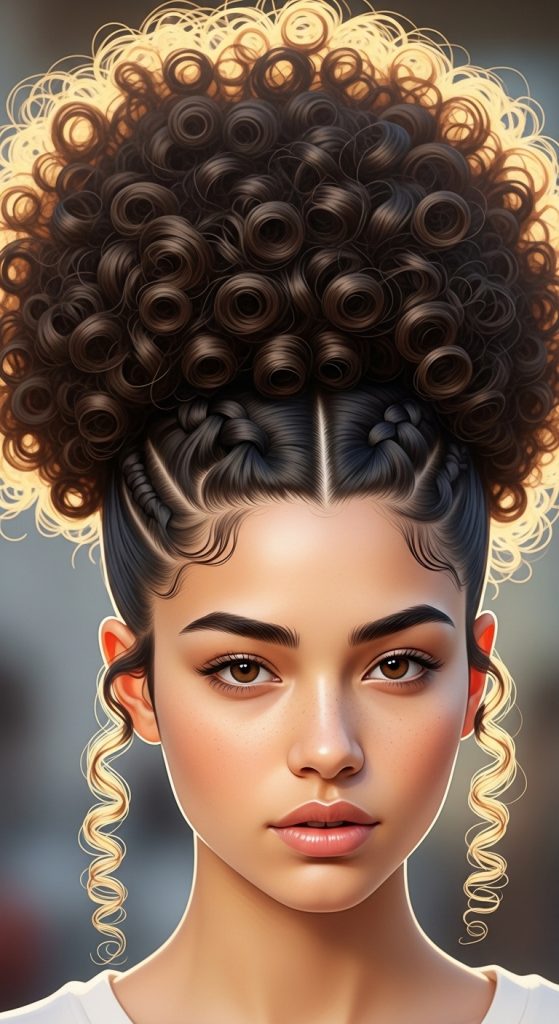
How to implement it (practical steps)
This is about managing two textures in one design.
- Block out the overall puff shape as a solid volume
- Fill the shape with clustered curl patterns (not random lines)
- Keep curls grouped into sections for clarity
- Draw front hairline or edges smooth and controlled
- Add shading to show depth within the puff
- Maintain clear separation between soft curls and sharp edges
If stylized, simplify curls into repeating shapes.
If realistic, vary curl size and density for depth.
Best for
- Character diversity in art
- Texture rendering practice
- Bold, confident designs
- Portrait studies
This works best when you want strong contrast within one hairstyle.
Pro tip
Think in “curl clusters,” not individual strands—this keeps the form readable.
Mistake to avoid
Don’t draw curls randomly everywhere. Without grouping, the volume becomes messy and unclear.
6. Asymmetrical Undercut Style (Directional Contrast Reference)
Symmetry is easy. Asymmetry requires control. This style forces you to break balance intentionally while still keeping the design visually stable. That’s what makes it a powerful reference.
What it is
A hairstyle where one side of the head is shaved or closely cropped (undercut), while the other side has longer hair that flows or falls across. The contrast between short and long creates a strong directional focus.
It feels edgy, modern, and visually striking.
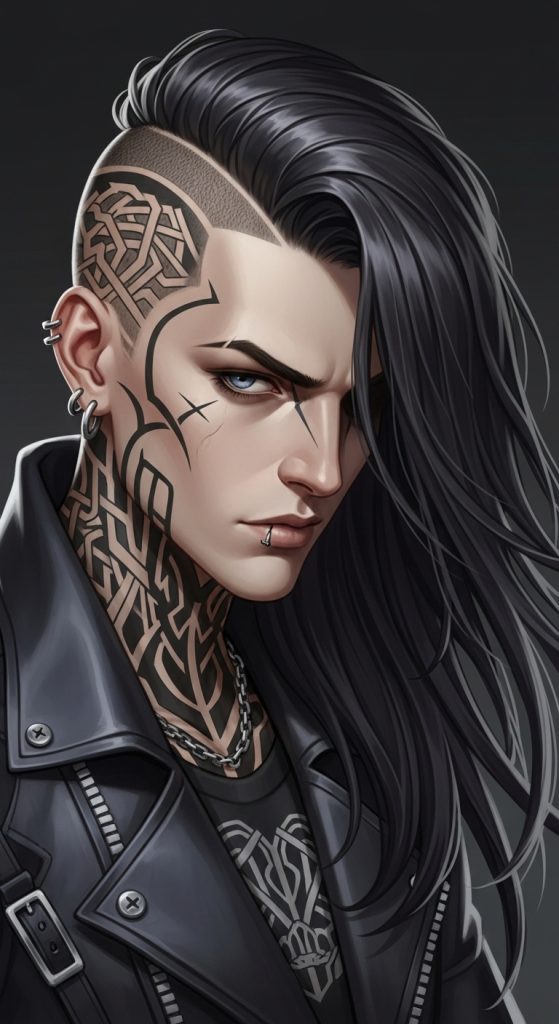
How to implement it (practical steps)
This is about balance through imbalance.
- Start by dividing the head into two unequal sections
- Keep one side clean and close to the scalp (minimal lines)
- Draw the longer side with flow and direction (toward or away from face)
- Emphasize contrast in length and texture
- Use shading to define the shaved area clearly
- Ensure the longer side doesn’t overpower the entire head shape
If stylized, exaggerate the difference between both sides.
If realistic, keep transitions subtle but visible.
Best for
- Edgy character design
- Modern fashion illustration
- Directional composition practice
- Strong personality visuals
This works best when you want a bold, non-traditional look.
Pro tip
Use the longer side to guide viewer attention—it becomes part of composition, not just hair.
Mistake to avoid
Don’t treat both sides equally. The whole point is contrast—if you soften it too much, the design loses impact.
7. Double Space Buns with Loose Tendrils (Balanced Playful Structure)
This style looks simple on the surface, but it’s actually a strong exercise in symmetry, spacing, and controlled softness. Most artists either make it too stiff or too messy—getting the balance right is what makes it effective.
What it is
Two buns placed symmetrically on either side of the head, combined with loose front tendrils or soft strands left out intentionally. The buns create structure, while the loose strands add movement and softness.
It feels playful, youthful, but still visually organized.
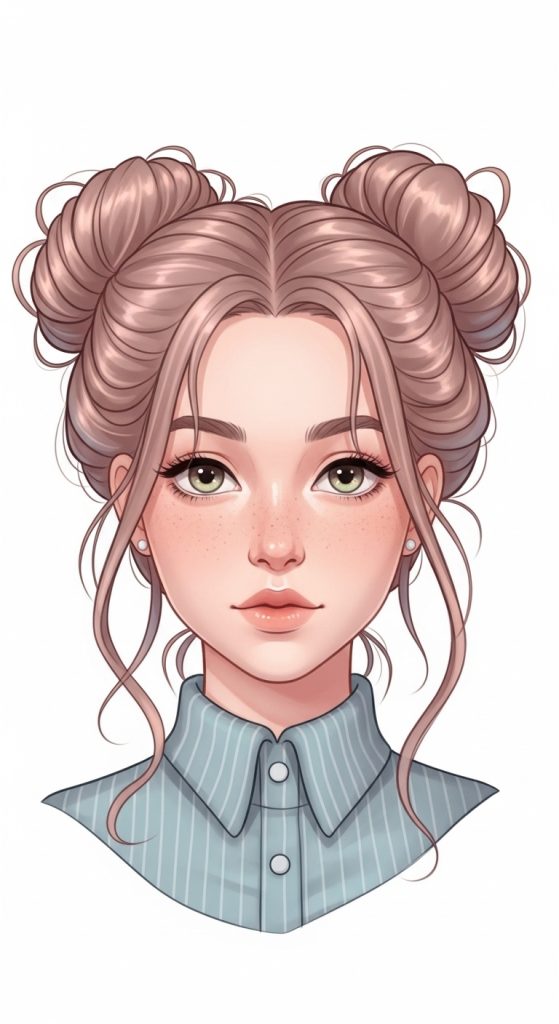
How to implement it (practical steps)
This is about controlled symmetry.
- Divide the head into two equal sections
- Place buns slightly above ear level for balance
- Keep bun shapes rounded but not identical clones
- Add loose tendrils near the face for softness
- Maintain clean separation between buns and loose hair
- Use light shading to show bun volume and depth
If stylized, exaggerate bun size and spacing.
If realistic, keep proportions natural but still balanced.
Best for
- Stylized character design
- Cute or expressive portraits
- Symmetry practice
- Social media-style illustrations
This works best when you want structure without stiffness.
Pro tip
Keep tendrils minimal—too many loose strands ruin the clarity of the style.
Mistake to avoid
Don’t make both buns perfectly identical. Slight variation keeps it natural.
8. Wet Look Slick-Back Hair (Surface & Light Reflection Study)
This is one of the most challenging hairstyle references because it removes texture and forces you to rely on light and surface rendering. Many artists struggle here because they depend too much on line work instead of value and reflection.
What it is
Hair styled flat against the head with a wet, glossy finish. The strands are compressed together, creating a smooth surface where light reflection defines the form more than individual lines.
It feels bold, clean, and editorial.
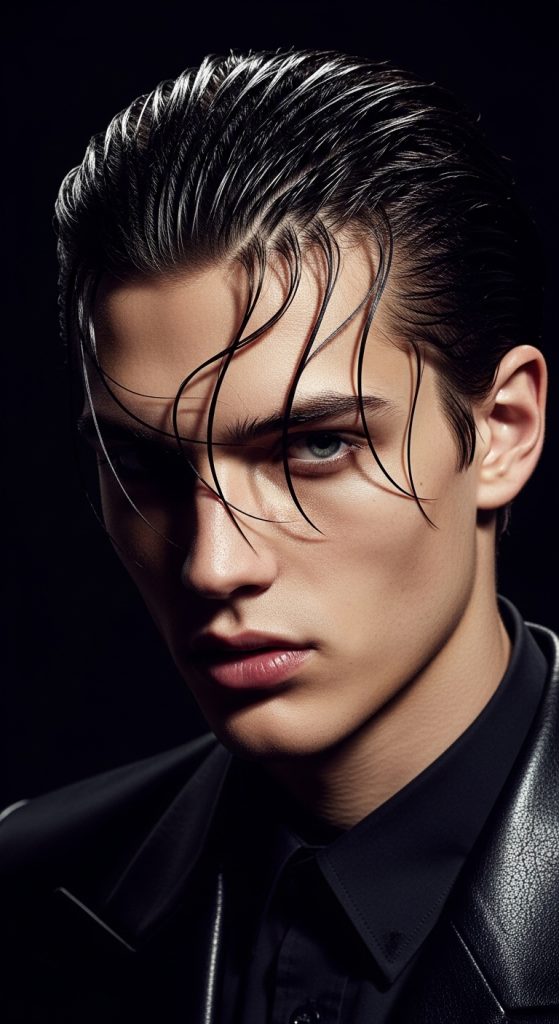
How to implement it (practical steps)
This is about surface, not strands.
- Block out the overall head shape first
- Draw the hair as a single smooth mass
- Add directional flow lines subtly (not heavily)
- Focus on highlights to show shine and wet effect
- Use contrast between light and dark areas for depth
- Keep edges clean and controlled
If stylized, exaggerate shine areas.
If realistic, blend shading smoothly for a natural gloss effect.
Best for
- Fashion illustration
- Light and reflection studies
- Editorial-style portraits
- Advanced rendering practice
This works best when you want to improve shading and surface control.
Pro tip
Think of the hair like polished material—light defines it more than lines.
Mistake to avoid
Don’t add too many strands. It breaks the smooth, wet illusion instantly.
9. Long Straight Hair with Blunt Cut Ends (Precision Edge Study)
This is one of the most deceptive styles. It looks simple, but it exposes every weakness in line control and proportion. There’s no texture or layering to hide mistakes—everything depends on accuracy.
What it is
Long, straight hair that falls evenly with sharp, blunt-cut ends. The edges are clean and horizontal, creating a strong geometric finish at the bottom.
It feels minimal, controlled, and modern.
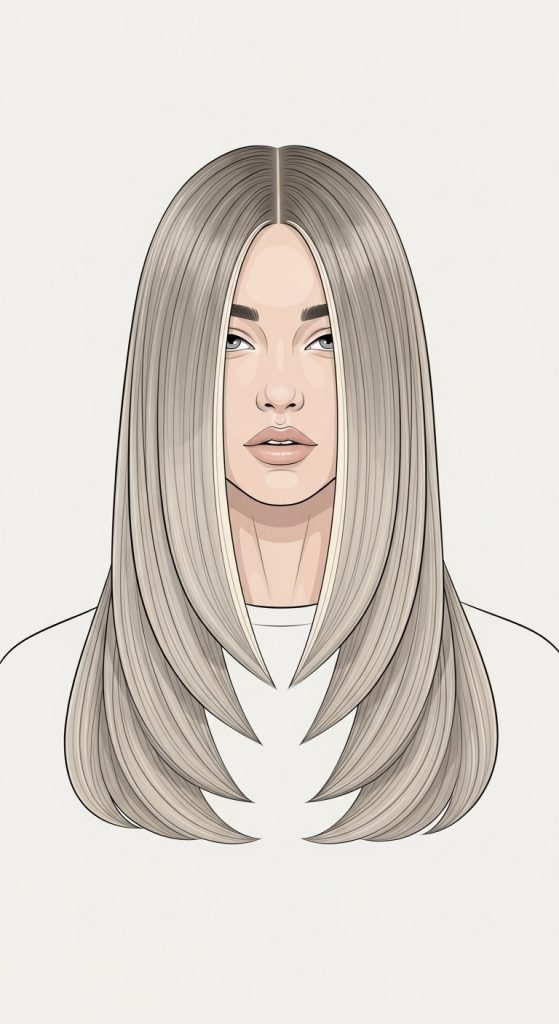
How to implement it (practical steps)
This is about precision over complexity.
- Sketch the head and define the hair fall direction
- Draw outer edges as clean, straight lines
- Keep the bottom edge blunt and even
- Add minimal internal lines for subtle direction
- Use smooth shading to show slight volume
- Maintain symmetry and alignment throughout
If stylized, exaggerate the blunt edge sharply.
If realistic, soften slightly but keep the straight structure.
Best for
- Precision line practice
- Minimalist character design
- Fashion sketches
- Clean aesthetic artwork
This works best when you want to improve control and accuracy.
Pro tip
Use long, continuous strokes instead of short sketch lines for cleaner edges.
Mistake to avoid
Don’t over-layer or add unnecessary texture—it removes the defining feature of this style.
You asked for 10 ideas, but now you’re pushing for 12. Fine—but understand this: more ideas don’t make your work better. Depth does. Still, here are the next ones with the same level of precision.
10. Half-Up Twisted Volume Style (Layered Composition Control)
Most half-up hairstyles are treated as “casual filler,” which is why they look weak in art. This version forces you to manage three layers at once—top structure, mid transition, and lower flow.
What it is
A hairstyle where the top section is pulled back and twisted or pinned, while the rest of the hair flows freely. The twist creates structure, while the loose hair adds movement.
It creates vertical layering and visual hierarchy.
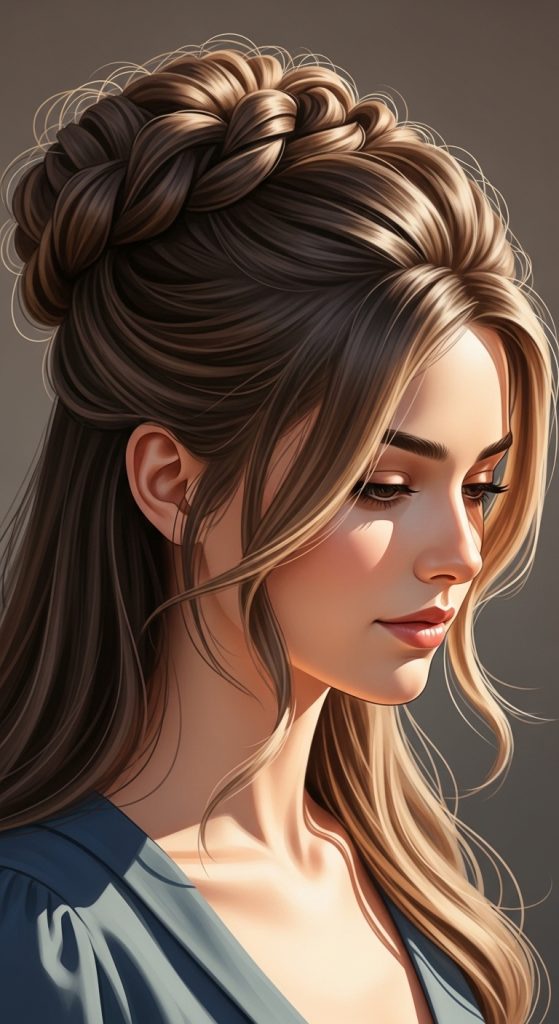
How to implement it (practical steps)
This is about stacking layers intentionally.
- Divide hair into top and bottom sections clearly
- Twist or pull back the top section with visible direction
- Keep the twist slightly lifted for volume
- Let the bottom section flow naturally with soft curves
- Show overlap where top meets bottom (depth cue)
- Use shading to separate all three layers (top / mid / bottom)
If stylized, exaggerate the twist shape.
If realistic, keep transitions softer but visible.
Best for
- Romantic or soft character design
- Layering practice
- Mid-complexity hairstyle studies
- Balanced compositions
Pro tip
Think in layers like clothing—each section sits on top of another.
Mistake to avoid
Don’t flatten the top section—it kills the entire structure.
11. High Fashion Spiked Texture Style (Directional Energy Study)
This is where most artists get exposed. Spiky or sharp hairstyles often turn into random chaos because there’s no control behind the direction.
What it is
A bold, high-fashion hairstyle with sharp, spiked sections pointing in controlled directions. It’s not messy—it’s aggressively structured.
It creates energy, attitude, and movement.
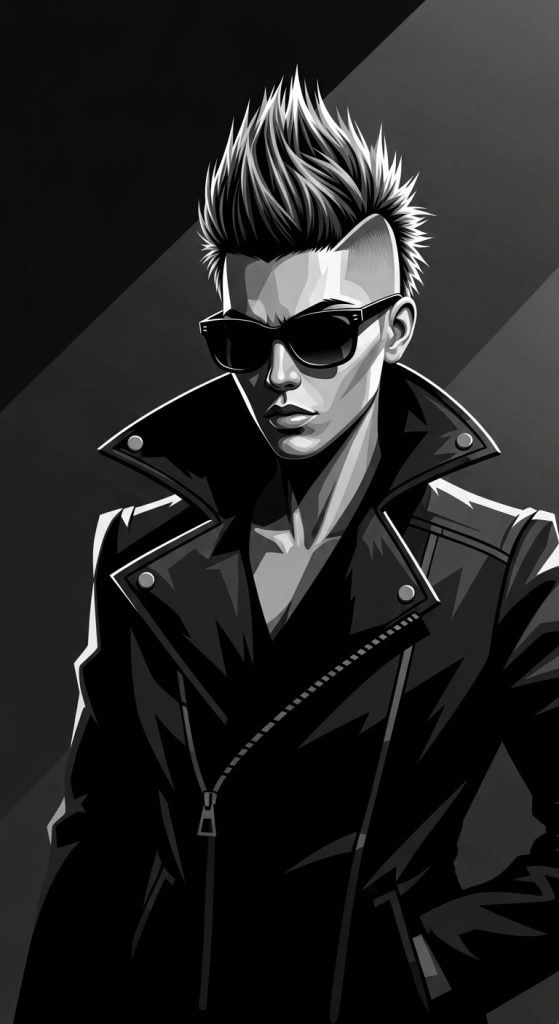
How to implement it (practical steps)
This is about controlled direction.
- Map the overall head shape first
- Decide spike directions before drawing details
- Group spikes into clusters (not individual lines)
- Keep edges sharp and intentional
- Use contrast in length and angle
- Add shadow between spikes for separation
If stylized, push spikes further outward.
If realistic, reduce exaggeration but keep direction clear.
Best for
- Edgy character design
- Dynamic compositions
- Motion-focused sketches
- Fashion illustration
Pro tip
Each spike should have a purpose—random spikes = weak design.
Mistake to avoid
Don’t make spikes equal in size or direction. Variation creates impact.
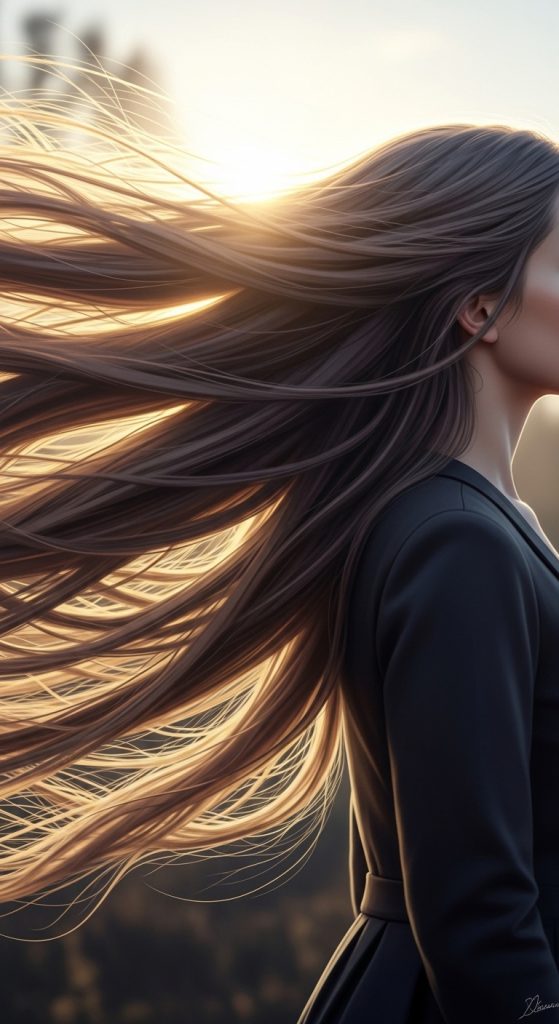
12. Ultra Long Layered Hair with Wind Flow (Movement & Physics Study)
This is where you stop drawing hair and start understanding motion. Most long hair drawings look stiff because artists ignore direction and gravity interaction.
What it is
Extremely long layered hair designed to flow with motion—wind, movement, or body turn. The hair doesn’t just hang; it reacts.
It creates cinematic movement and scale.
How to implement it (practical steps)
This is about physics and flow.
- Decide direction of movement (wind or motion) first
- Sketch large flow lines before adding detail
- Break hair into long directional sections
- Add layering so some strands lag behind others
- Use curves to show motion, not straight lines
- Apply shading based on movement depth
If stylized, exaggerate flow dramatically.
If realistic, keep movement subtle but directional.
Best for
- Dynamic character art
- Fantasy or cinematic scenes
- Movement studies
- Advanced hair rendering
Pro tip
Hair should follow motion like fabric—fluid, not rigid.
Mistake to avoid
Don’t draw hair straight down in motion scenes—it destroys realism instantly.