
Creating a beautiful home doesn’t always require a large budget, professional designers, or complicated renovations. In fact, some of the most stunning interiors are built on simplicity, creativity, and thoughtful details. The idea of “simple interiors” has evolved into a powerful design trend that focuses on clean aesthetics, functionality, and comfort while still allowing space for personality and uniqueness. Today, homeowners are increasingly drawn to interiors that feel calm, uncluttered, and visually pleasing—spaces that not only look good but also support a more intentional and relaxed lifestyle.

Simple house interior design is all about balance. It blends minimalism with warmth, ensuring that spaces never feel empty or cold. Instead, it focuses on carefully selected elements—neutral color palettes, functional furniture, soft textures, and subtle décor—that work together harmoniously. The goal is to create an environment where every piece has a purpose, and every corner feels inviting. Whether you live in a small apartment or a spacious home, simple interior ideas can transform your space into a stylish and comfortable sanctuary.
One of the biggest advantages of simple interior design is its versatility. It can be adapted to suit different tastes, lifestyles, and home sizes. For example, a minimalist approach may include sleek furniture and monochrome tones, while a cozy simple interior might incorporate warm lighting, soft fabrics, and natural materials like wood and linen. The beauty lies in the flexibility—simple interiors don’t follow strict rules but instead encourage you to focus on what truly works for your space and personal style.
Another key aspect of simple interiors is functionality. Modern homes are no longer just about aesthetics; they are about creating spaces that make everyday life easier and more enjoyable. Multi-functional furniture, smart storage solutions, and open layouts are essential components of simple design. These elements help reduce clutter and maximize space, making even small areas feel more open and organized. A well-designed simple interior ensures that everything has its place, contributing to a stress-free and efficient living environment.
Lighting also plays a crucial role in achieving a simple yet unique interior. Natural light is one of the most powerful tools in interior design, instantly making a space feel brighter, larger, and more welcoming. Large windows, sheer curtains, and strategically placed mirrors can enhance the flow of light throughout your home. In addition, soft artificial lighting—such as warm lamps or subtle LED accents—can create a cozy atmosphere, especially during evenings. The right lighting choices can elevate even the simplest décor and make your home feel polished and complete.
Texture and layering are what bring depth and character to simple interiors. While the overall design may be minimal, incorporating different materials—such as soft rugs, woven baskets, wooden furniture, and textured cushions—adds visual interest without overwhelming the space. These subtle details help create a cozy and lived-in feel, ensuring that your home feels warm and inviting rather than plain or sterile. By mixing textures thoughtfully, you can achieve a balanced look that is both simple and stylish.
Color selection is another important element in simple interior design. Neutral tones like white, beige, gray, and soft pastels are commonly used as base colors because they create a calm and cohesive backdrop. These shades can be easily paired with accent colors or décor pieces to add personality without disrupting the overall harmony. For those who prefer a bit more vibrancy, small pops of color—through cushions, artwork, or decorative items—can make a big impact while still maintaining a clean and simple aesthetic.
Personalization is what truly makes a simple interior unique. While the design approach focuses on minimalism and functionality, it doesn’t mean sacrificing individuality. Adding personal touches—such as framed photos, favorite books, handmade décor, or meaningful objects—helps create a space that reflects your personality and story. These elements give your home character and make it feel truly yours, turning a simple design into something special and memorable.
In today’s fast-paced world, there is a growing desire for spaces that promote calmness and well-being. Simple interior design supports this need by reducing visual clutter and creating a sense of order. A well-organized and thoughtfully designed home can have a positive impact on your mood, productivity, and overall mental health. By focusing on simplicity, you can create an environment that feels peaceful, refreshing, and easy to maintain—qualities that are essential for modern living.
This guide will explore 10 unique and simple house interior ideas that are practical, stylish, and easy to implement. Each idea will include clear explanations, step-by-step guidance, and a list of materials or elements needed to achieve the look. These ideas are designed to be beginner-friendly and adaptable, allowing you to transform your home without feeling overwhelmed. From cozy living room setups to functional storage solutions and aesthetic décor tips, you’ll find inspiration to create spaces that are both beautiful and livable.
By the end of this guide, you’ll have a collection of creative and achievable ideas to elevate your home’s interior. Whether you’re redecorating a single room or refreshing your entire space, these simple interior concepts will help you achieve a clean, modern, and inviting look. With the right balance of style, functionality, and personal touches, you can turn any house into a home that feels uniquely yours while staying effortlessly elegant and easy to maintain.
Idea 1: Neutral Minimalist Living Room
Introduction
A neutral minimalist living room is the foundation of simple interior design. It focuses on calm tones, clean lines, and uncluttered spaces while still feeling warm and inviting. This design is perfect for those who want a peaceful environment where they can relax without visual distraction. The beauty of this idea lies in its simplicity—using a limited color palette and carefully selected furniture pieces to create a harmonious look.
Neutral interiors are also timeless. Unlike bold trends that come and go, soft tones like beige, white, cream, and light gray remain stylish for years. This makes it easier to update your décor without completely redesigning the space. The key is to balance minimalism with comfort by adding soft textures and subtle decorative elements.

Step-by-Step How-To
- Declutter First: Remove unnecessary items from your living room. Keep only essentials and meaningful décor.
- Choose a Neutral Base: Paint walls in white, cream, or light beige to create a bright and airy feel.
- Select Simple Furniture: Opt for a clean-lined sofa in neutral tones. Avoid overly bulky or decorative pieces.
- Add Texture: Include a soft rug, linen cushions, and a cozy throw blanket to prevent the space from feeling cold.
- Minimal Décor: Use 2–3 décor items like a vase, a book stack, or a candle for subtle styling.
- Lighting: Add a warm floor lamp or table lamp to enhance coziness.
Materials / Elements Needed
- Neutral-colored sofa (beige, white, gray)
- Soft rug (woven or textured)
- Throw pillows and blanket
- Minimal décor items (vase, books, candle)
- Warm lighting (lamp or LED light)
Idea 2: Cozy Corner Reading Nook
Introduction
A cozy reading nook is a simple yet unique addition that transforms unused corners into functional and relaxing spaces. It creates a dedicated spot for reading, journaling, or unwinding. This idea is perfect for small homes or apartments where maximizing space is essential.
The charm of a reading nook lies in its comfort and personality. By combining soft seating, warm lighting, and a few personal touches, you can create a space that feels like a retreat within your home. This setup is highly Pinterest-worthy because of its inviting and aesthetic appeal.

Step-by-Step How-To
- Choose the Right Spot: Select a quiet corner near a window for natural light.
- Add Comfortable Seating: Use a small armchair, floor cushion, or bean bag.
- Layer Textures: Add a soft throw blanket and plush cushions for extra comfort.
- Lighting: Include a small lamp or fairy lights for evening reading.
- Add Storage: Place a small shelf or basket for books and magazines.
- Decorate: Add a plant, framed quote, or small artwork for personality.
Materials / Elements Needed
- Comfortable chair or cushion
- Throw blanket and pillows
- Small side table or basket
- Books or magazines
- Floor lamp or fairy lights
- Small indoor plant
Idea 3: Open Shelf Kitchen Styling
Introduction
Open shelving in the kitchen is a simple interior idea that adds both functionality and aesthetic appeal. Instead of hiding everything behind cabinets, open shelves allow you to display neatly arranged items like dishes, jars, and decorative pieces. This creates a light, airy feel while making your kitchen look organized and stylish.
The key to successful open shelving is organization and balance. Keeping items minimal and coordinated ensures the space looks curated rather than cluttered. This idea is especially popular on Pinterest because it combines practicality with visual charm.

Step-by-Step How-To
- Install Shelves: Choose wooden or white shelves for a clean look.
- Declutter Items: Keep only frequently used and aesthetically pleasing items.
- Use Matching Containers: Store ingredients in glass jars or uniform containers.
- Arrange Thoughtfully: Group items by size and color for a balanced look.
- Add Decorative Touches: Include a small plant, cutting board, or ceramic piece.
- Maintain Regularly: Keep shelves clean and organized to maintain the aesthetic.
Materials / Elements Needed
- Wooden or white shelves
- Glass jars or storage containers
- Neutral dishware
- Small plants or decorative items
- Cleaning cloth for maintenance
Idea 4: Minimal Bedroom with Soft Textures
Introduction
A minimalist bedroom focuses on creating a calm and restful environment. By reducing clutter and using soft textures, you can design a space that promotes relaxation and better sleep. This idea emphasizes comfort while maintaining a clean and modern look.
Soft textures play a crucial role in making minimalist bedrooms feel cozy rather than empty. Layering bedding, rugs, and curtains adds depth and warmth to the space. The result is a bedroom that feels both simple and luxurious.

Step-by-Step How-To
- Choose Neutral Bedding: Use white, beige, or pastel bedding for a clean look.
- Layer Textures: Add a soft duvet, throw blanket, and textured cushions.
- Declutter Surfaces: Keep bedside tables minimal with only essentials.
- Add Soft Lighting: Use bedside lamps with warm light.
- Include a Rug: Place a soft rug under or beside the bed for comfort.
- Keep Décor Simple: Add one or two framed artworks or a plant.
Materials / Elements Needed
- Neutral bedding set
- Throw blanket and cushions
- Bedside lamps
- Soft rug
- Minimal wall décor or plant
Idea 5: Entryway Simple Styling
Introduction
The entryway is the first impression of your home, and a simple yet stylish setup can make a big impact. Even a small entryway can feel organized and welcoming with the right elements. This idea focuses on functionality while maintaining a clean and aesthetic look.
A well-styled entryway not only looks good but also helps keep your home organized. By including storage solutions and minimal décor, you can create a space that is both practical and visually appealing.

Step-by-Step How-To
- Add a Console Table: Choose a slim table to save space.
- Use Storage Baskets: Place baskets underneath for shoes or accessories.
- Include a Mirror: Hang a mirror above the table to create a sense of space.
- Decorate Minimally: Add a vase, candle, or small tray for essentials.
- Lighting: Use a small lamp or wall light for a warm welcome.
- Keep It Organized: Avoid clutter by regularly tidying the space.
Materials / Elements Needed
- Slim console table
- Storage baskets
- Wall mirror
- Vase or decorative item
- Small lamp or wall light
Idea 6: Simple Indoor Plant Corner
Introduction
Bringing nature indoors is one of the easiest and most effective ways to elevate your home’s interior. A simple indoor plant corner adds freshness, color, and life to any space without requiring major changes. Plants not only improve air quality but also create a calming and relaxing atmosphere, making your home feel more inviting.
This idea works beautifully in living rooms, bedrooms, or even empty corners that need a touch of personality. The key is to keep it simple—choose a few plants and style them thoughtfully rather than overcrowding the space. A well-arranged plant corner can instantly become a focal point while maintaining a clean and minimal aesthetic.

Step-by-Step How-To
- Choose the Right Spot: Select a corner with natural light, such as near a window or balcony door.
- Pick Easy Plants: Start with low-maintenance plants like snake plant, pothos, or peace lily.
- Use Simple Planters: Choose neutral or earthy pots (white, beige, terracotta) for a clean look.
- Vary Heights: Place plants on the floor, a stool, or a small shelf to create visual layers.
- Add Subtle Decor: Include a woven basket or small wooden stand for texture.
- Keep It Balanced: Avoid overcrowding—3 to 5 plants are enough for a simple aesthetic.
Materials / Elements Needed
- Indoor plants (snake plant, pothos, etc.)
- Neutral or terracotta pots
- Small plant stand or stool
- Woven basket (optional)
- Natural light source
Idea 7: Simple Wall Gallery with Frames
Introduction
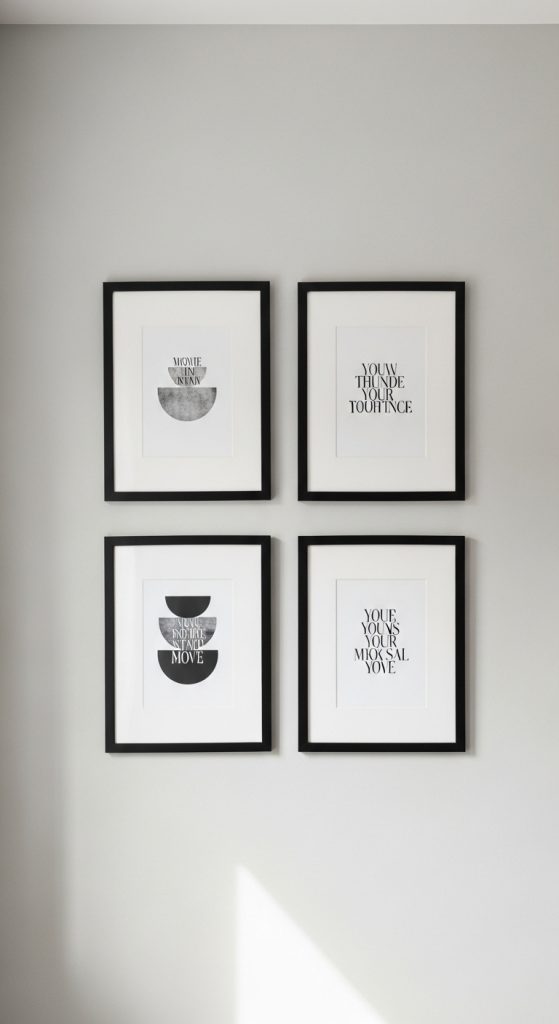
A wall gallery is a creative yet simple way to personalize your home without overwhelming the space. Instead of filling walls with heavy décor, a few carefully arranged frames can create a visually appealing focal point. This idea allows you to showcase memories, artwork, or inspirational quotes in a clean and organized way.
The beauty of a simple gallery wall lies in its flexibility. You can keep it minimal with just 3–5 frames or expand it slightly while maintaining symmetry. Neutral frames and consistent spacing ensure the wall looks cohesive and stylish.
Step-by-Step How-To
- Choose a Wall: Select a blank wall in the living room, hallway, or bedroom.
- Pick a Theme: Decide on photos, quotes, or artwork for consistency.
- Use Matching Frames: Stick to similar colors like black, white, or wood for a clean look.
- Plan Layout: Arrange frames on the floor first to test spacing and alignment.
- Hang Carefully: Use hooks or adhesive strips to secure frames evenly.
- Keep It Minimal: Avoid overcrowding—leave space between frames for a balanced look.
Materials / Elements Needed
- Photo frames (matching style)
- Printed photos or artwork
- Measuring tape
- Hooks or adhesive strips
- Level tool for alignment
Idea 8: Simple Bathroom Spa Setup
Introduction
Transforming your bathroom into a spa-like retreat is a simple yet luxurious interior idea. With a few thoughtful additions, you can create a calming space that promotes relaxation and self-care. This design focuses on clean surfaces, soft textures, and subtle decorative elements to achieve a peaceful atmosphere.
A spa-inspired bathroom doesn’t require expensive renovations. Small changes like rolled towels, candles, and natural elements can make a significant difference. The goal is to create a space that feels fresh, organized, and soothing.

Step-by-Step How-To
- Declutter Surfaces: Remove unnecessary items from countertops and shelves.
- Use Neutral Towels: Choose white or beige towels and roll them neatly.
- Add Natural Elements: Include a small plant or wooden tray for warmth.
- Incorporate Candles: Place scented candles for a relaxing ambiance.
- Organize Essentials: Use jars or trays to store toiletries neatly.
- Enhance Lighting: Use soft, warm lighting for a spa-like feel.
Materials / Elements Needed
- Neutral towels
- Small plant
- Wooden tray or organizer
- Scented candles
- Glass jars for storage
- Warm lighting
Idea 9: Simple Multi-Functional Furniture Setup
Introduction
Multi-functional furniture is a smart and simple solution for modern homes, especially smaller spaces. It allows you to maximize functionality without cluttering your interior. Pieces like storage ottomans, foldable tables, or sofa beds provide both practicality and style.
This idea is perfect for creating a clean and organized environment. By choosing furniture that serves multiple purposes, you can reduce the number of items in a room while maintaining comfort and usability. The result is a space that feels open, efficient, and visually appealing.

Step-by-Step How-To
- Identify Needs: Determine which areas require extra storage or flexibility.
- Choose Smart Furniture: Select items like storage benches, foldable desks, or extendable tables.
- Keep Design Simple: Opt for neutral colors and clean lines.
- Position Strategically: Place furniture where it serves maximum function without blocking movement.
- Organize Inside Storage: Use compartments to keep items neatly arranged.
- Maintain Minimalism: Avoid overcrowding with too many multi-use items.
Materials / Elements Needed
- Storage ottoman or bench
- Foldable or extendable table
- Sofa bed (optional)
- Storage organizers or boxes
- Neutral décor elements
Idea 10: Soft Lighting & Cozy Ambience Setup
Introduction
Lighting has the power to completely transform a space, and a soft lighting setup is one of the simplest ways to create a cozy and inviting home. Instead of relying solely on harsh overhead lights, layering different light sources can add warmth and depth to your interior.
This idea focuses on creating a relaxing atmosphere through warm tones and subtle illumination. Soft lighting is especially effective in living rooms and bedrooms, where comfort and ambiance are key. It enhances the overall aesthetic while making the space feel more intimate and welcoming.

Step-by-Step How-To
- Reduce Harsh Lighting: Limit the use of bright overhead lights.
- Add Lamps: Place table lamps or floor lamps in corners and near seating areas.
- Use Warm Bulbs: Choose warm-toned bulbs for a cozy glow.
- Incorporate String Lights: Add fairy lights for a soft decorative touch.
- Layer Lighting: Combine multiple light sources for depth.
- Highlight Key Areas: Use lighting to emphasize décor or focal points.
Materials / Elements Needed
- Table lamps or floor lamps
- Warm LED bulbs
- String lights or fairy lights
- Extension cords or power outlets
- Minimal decorative elements