
Luxury garage interiors in Bloxburg have become an essential part of modern building culture within the game, especially for players who enjoy combining functionality with high-end aesthetics. What was once considered a purely practical space for parking vehicles has now evolved into a fully designed environment that reflects creativity, attention to detail, and personal style. In today’s Bloxburg builds, garages are no longer overlooked or left plain—they are carefully crafted extensions of the main house, often matching the theme, color palette, and architectural direction of the entire property.
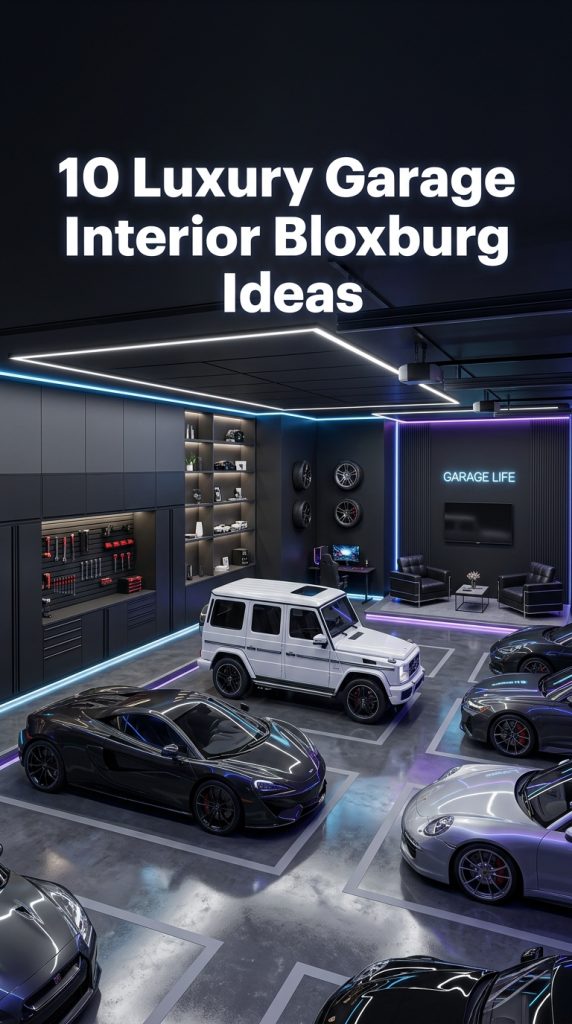
A luxury garage interior goes beyond simply placing cars in an enclosed space. It focuses on presentation, organization, lighting, materials, and spatial design. Players aim to create environments that resemble real-world luxury garages, showrooms, or private collections where vehicles are displayed rather than just stored. This shift in mindset has encouraged builders to think like interior designers, considering how each element contributes to the overall atmosphere. From floor textures to ceiling details, every component plays a role in shaping the final visual experience.
One of the key aspects of luxury garage design in Bloxburg is realism. Many players draw inspiration from real-life architecture, incorporating features such as polished concrete floors, glass walls, metal accents, storage cabinets, and structured parking layouts. These elements help create a believable and immersive environment that feels both functional and visually appealing. Realism also extends to how vehicles are positioned within the space. Instead of random placement, cars are often aligned symmetrically with equal spacing, sometimes even marked with floor lines or designated parking zones to enhance organization.
Lighting is another critical factor that significantly influences the quality of a luxury garage interior. Proper lighting can transform a simple space into a visually striking environment. Modern garage designs often include recessed ceiling lights, LED strip lighting, spotlights, and ambient lighting that highlights vehicles and architectural features. The use of layered lighting ensures that the garage is well-lit without being overly harsh, creating a balanced and comfortable atmosphere. In luxury builds, lighting is not just functional—it is decorative and strategic, used to emphasize textures, reflections, and focal points within the space.
Material selection also plays a vital role in achieving a luxury aesthetic. Smooth and polished surfaces such as concrete, marble-inspired tiles, glass panels, and metallic finishes are commonly used to create a sleek and modern appearance. These materials help reflect light, enhance brightness, and contribute to a clean and refined look. Color palettes are typically neutral, with shades of white, gray, black, and sometimes muted tones dominating the design. This allows the vehicles to stand out as the main visual elements while the environment complements them rather than distracts from them.
Another important consideration in luxury garage interiors is spatial organization. A well-designed garage avoids clutter and ensures that every item has a designated place. Storage solutions such as cabinets, shelves, tool racks, and wall-mounted units are often integrated into the design to maintain cleanliness and order. Some players even incorporate workshop areas within their garages, adding workbenches, tools, and functional elements that enhance realism. These additions make the garage not only visually appealing but also practical and immersive.
Luxury garage designs in Bloxburg also vary widely depending on the theme chosen by the player. Some prefer minimalist designs that focus on simplicity and open space, while others opt for industrial styles that incorporate raw materials like brick and metal. Futuristic garages with neon lighting and sleek surfaces are also popular, as are showroom-style garages that mimic professional car display environments. Each theme offers a unique way to present vehicles and organize the space, allowing players to express individuality through design choices.
Symmetry and balance are often emphasized in luxury builds. Whether it is the placement of vehicles, lighting fixtures, or architectural elements, maintaining visual harmony helps create a more cohesive and polished appearance. Symmetrical layouts are particularly effective in showroom-style garages, where vehicles are displayed in rows or designated sections. This structured approach not only improves aesthetics but also enhances usability, making it easier to navigate and interact with the space.
Attention to detail is what ultimately distinguishes a basic garage from a luxury one. Small additions such as wall decorations, subtle lighting accents, reflective surfaces, and carefully chosen accessories can elevate the entire design. Even the ceiling and floor patterns are considered important in high-end builds, as they contribute to the overall depth and realism of the environment. Players who invest time in refining these details often achieve garage interiors that look professional, immersive, and visually impressive.
In addition to aesthetics, luxury garage interiors also enhance the overall gameplay experience. Having a well-designed garage adds value to the virtual home, increases immersion, and provides a sense of accomplishment. It allows players to showcase their vehicles in a way that feels intentional and curated, rather than simply functional. For many builders, the garage becomes one of the most satisfying parts of their house, serving as both a practical space and a design statement.
Ultimately, luxury garage interiors in Bloxburg represent the perfect blend of creativity, realism, and functionality. They demonstrate how thoughtful design can transform even the most utilitarian areas into visually stunning environments. Whether you prefer minimalist layouts, industrial themes, futuristic concepts, or showroom-style displays, there are endless possibilities to explore. By focusing on lighting, materials, organization, and theme consistency, any player can create a garage that not only serves its purpose but also stands out as a masterpiece within their virtual world.
Idea 1: Modern Minimalist Luxury Garage
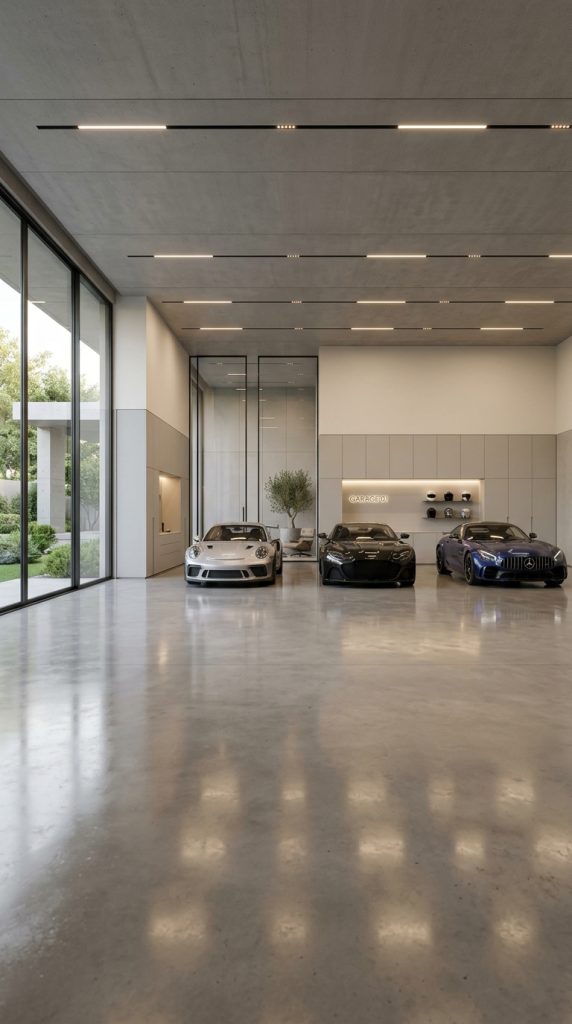
A modern minimalist luxury garage in Bloxburg focuses on simplicity, clean lines, and a clutter-free layout while still maintaining a premium and polished appearance. This design is ideal for players who prefer a sleek, organized environment where every element has a purpose. Instead of over-decorating the space, the emphasis is placed on balance, symmetry, and open space. The result is a garage that feels spacious, calm, and visually refined, similar to a high-end architectural showroom.
In this design, neutral tones dominate the color palette. Shades of white, gray, black, and beige are commonly used for walls, flooring, and structural elements. Flooring is typically made of smooth concrete or polished tiles to create a clean and reflective base. Vehicles are positioned as the main focal points, with careful spacing and alignment to enhance visual appeal. Lighting is subtle yet effective, often using recessed ceiling lights or hidden LED strips to avoid clutter while ensuring the entire space is evenly illuminated.
Storage is integrated seamlessly into the design through built-in cabinets or wall-mounted units that blend into the background. Decorative items are minimal, sometimes limited to a single plant, a mirror, or a simple wall feature. The overall goal is to maintain a balanced composition where nothing feels overcrowded or out of place.
How to Build:
Start by choosing a rectangular or square layout to maintain symmetry. Apply a neutral wall color such as white or light gray. Use polished concrete or tile flooring for a clean foundation. Install recessed ceiling lights for even illumination across the garage. Position vehicles with equal spacing and align them parallel to walls or designated parking lines. Add built-in storage along one wall to keep tools and items organized. Include a mirror or glass panel to enhance light reflection and depth. Avoid excessive decor and ensure pathways remain open for easy movement. Maintain alignment across all elements for a cohesive and professional finish.
Materials Used:
Concrete or polished tile flooring, neutral wall paint, recessed lighting, LED strips, built-in cabinets, mirrors, glass panels, minimal decor items.
Idea 2: Industrial Style Luxury Garage
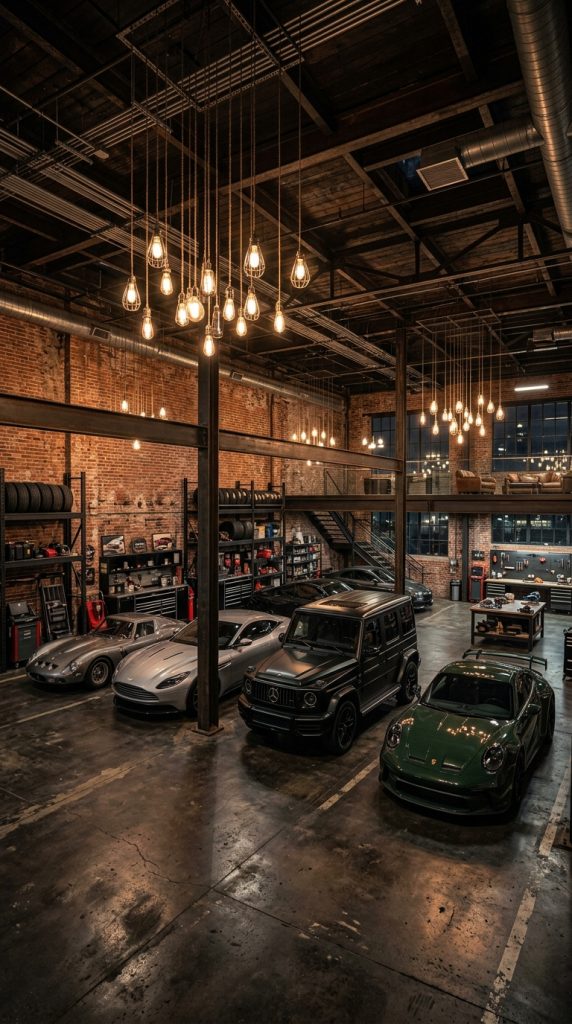
An industrial-style luxury garage brings a bold and raw aesthetic inspired by warehouses and urban lofts. In Bloxburg, this design is popular among players who want a rugged yet stylish environment that combines functionality with strong visual character. The industrial theme emphasizes exposed materials, structural elements, and darker tones that create a grounded and authentic atmosphere.
This garage style typically features brick walls, concrete flooring, and visible structural details such as beams, pipes, and metal frameworks. The color palette includes shades of black, gray, brown, and metallic accents. Lighting plays an important role, often using hanging fixtures, exposed bulbs, or warm-toned industrial lamps to create a cozy yet edgy ambiance. These lighting choices complement the raw textures of the environment.
Furniture and storage are functional and integrated into the design, including metal shelves, tool racks, and storage crates. The layout is organized but not overly polished, maintaining a slightly rugged look. Vehicles are placed in a structured arrangement with clear spacing, ensuring both accessibility and visual balance. Decorative elements like warning signs, vents, or wall textures can be added to enhance realism without overcrowding the space.
How to Build:
Begin with brick or concrete walls as the base structure. Use dark gray or textured concrete flooring. Add metal beams or pipes along ceilings and walls to create structural depth. Install industrial-style lighting such as hanging lamps or exposed bulbs. Place shelving units, tool racks, or crates along walls for storage. Arrange vehicles in straight lines with sufficient spacing between each. Incorporate subtle industrial decor such as signs, vents, or metallic accents. Keep the layout open but structured, avoiding unnecessary clutter while maintaining a cohesive industrial aesthetic.
Materials Used:
Brick walls, concrete flooring, metal beams, industrial lighting fixtures, dark wood or metal shelves, pipes, storage crates, and metallic decor elements.
Idea 3: High-End Car Showroom Garage
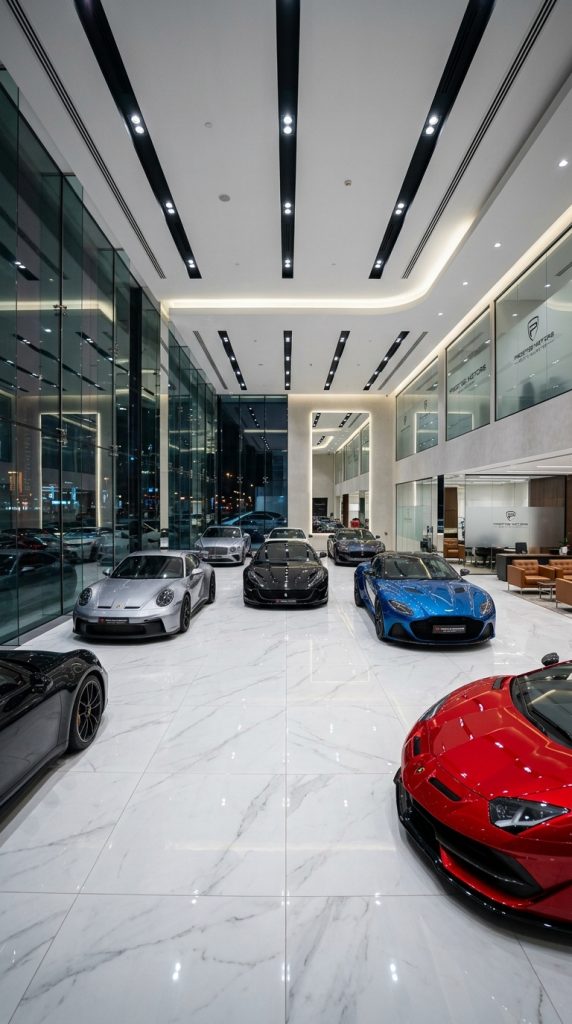
A high-end car showroom garage transforms your space into a luxury display environment where vehicles are presented like premium exhibits. This concept is one of the most visually impressive garage styles in Bloxburg because it prioritizes presentation, symmetry, and lighting to highlight each vehicle as a centerpiece.
The design typically features glossy flooring such as polished tiles or marble-like surfaces that reflect light and enhance brightness. Glass walls or large windows are often incorporated to allow natural light and create a transparent, open feel. Vehicles are arranged in designated parking spots with consistent spacing and alignment, resembling a professional showroom layout. Each vehicle is treated as a display item rather than just storage.
Lighting is carefully planned using spotlights or track lighting positioned above each car to emphasize details and create focal points. Mirrors may be added along walls to enhance depth and reflect both lighting and vehicles, making the space appear larger. The overall layout remains clean and uncluttered, with minimal furniture or decor to keep attention on the cars.
How to Build:
Choose a spacious layout with open visibility. Install glossy flooring such as white tiles or polished surfaces. Use glass panels or large windows for walls to maximize light exposure. Create designated parking spots with equal spacing between vehicles. Install overhead spotlights or track lighting to highlight each car individually. Add mirrors along walls to enhance reflections and depth. Keep furniture minimal and avoid overcrowding the space. Maintain symmetry in both layout and lighting placement to achieve a professional showroom effect.
Materials Used:
Glossy tiles, glass panels, spotlights, mirrors, white concrete or tile flooring, modern lighting systems, minimal decor elements.
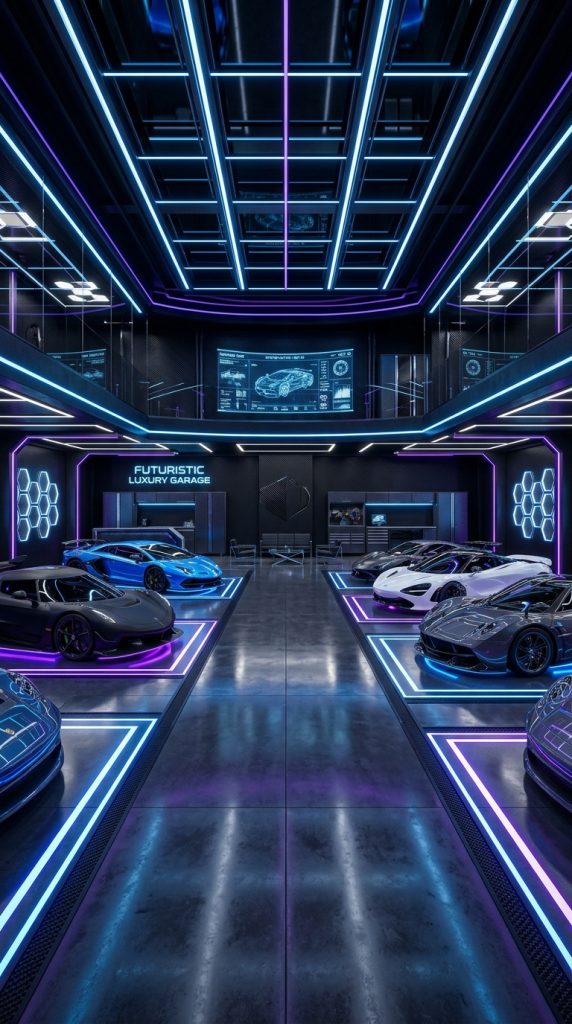
Idea 4: Futuristic LED Luxury Garage
A futuristic LED luxury garage focuses on modern, tech-inspired aesthetics with glowing lighting elements and sleek structural design. In Bloxburg, this style is ideal for players who want a visually striking and high-tech environment that feels advanced and immersive.
This design uses a dark base color palette, typically black or deep gray, combined with vibrant LED lighting to create contrast. LED strip lights are placed along edges of ceilings, floors, walls, and architectural lines to outline the structure and add depth. These glowing accents define the space and give it a futuristic appearance. Metallic and reflective surfaces are often used to enhance the lighting effects.
The layout is minimal and geometric, focusing on clean lines and open space. Storage and furniture are usually built into walls or hidden to maintain a streamlined look. Vehicles are highlighted using focused lighting or underglow effects, making them appear as display pieces within a futuristic environment. Color-changing lights can also be incorporated to adjust the ambiance.
How to Build:
Start with dark-colored walls and flooring. Add LED strip lighting along edges of walls, ceilings, and floors. Use metallic or glass materials to enhance reflections. Design the layout with clean geometric lines and symmetrical spacing. Integrate storage into walls to avoid clutter. Install adjustable LED lighting to control color and brightness. Position vehicles centrally and highlight them with directional lighting. Maintain a minimal design approach with no unnecessary decor elements to preserve the futuristic theme.
Materials Used:
LED strip lights, dark concrete, metal panels, glass surfaces, neon accents, futuristic lighting fixtures, minimal built-in furniture.
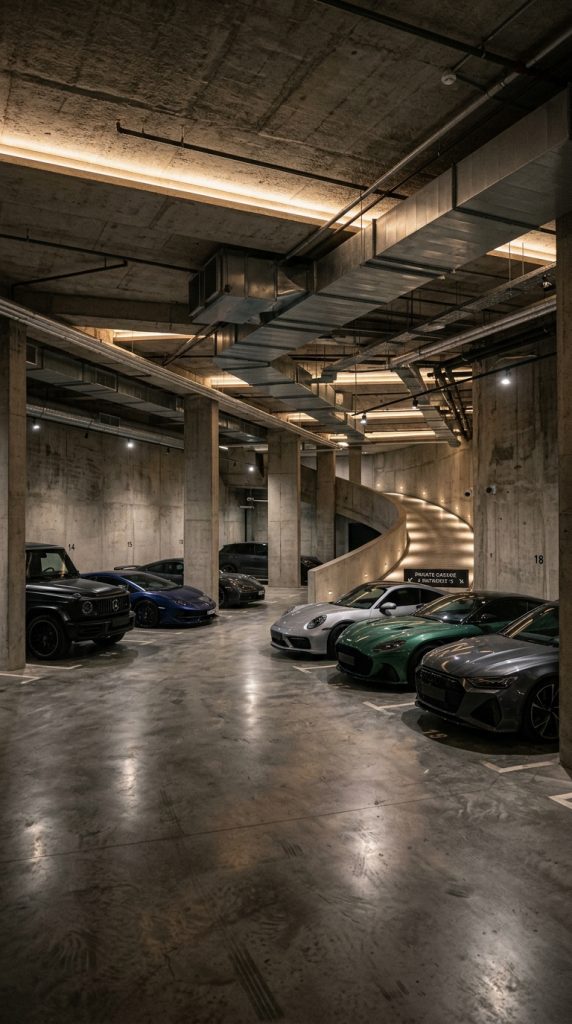
Idea 5: Underground Hidden Luxury Garage
An underground hidden luxury garage offers a private, exclusive, and highly functional design within Bloxburg. This concept involves constructing the garage below ground level, often with concealed entrances such as ramps, elevators, or hidden doors. It creates a sense of secrecy and sophistication, making the garage feel like a private vault for vehicles.
The underground setting allows for full control over lighting and layout. Walls are typically constructed using concrete or reinforced materials to create a secure and enclosed environment. Lighting must be strategically placed throughout the space to ensure visibility and avoid dark areas. The design often includes structured parking zones, pathways, and optional storage or utility sections.
Despite being hidden, the garage maintains a luxury feel through organized layouts, symmetry, and clean design principles. Vehicles are arranged neatly with equal spacing, and the environment is kept uncluttered. Structural elements such as pillars, vents, or support beams can be added for realism, enhancing the underground industrial aesthetic while maintaining a polished appearance.
How to Build:
Begin by creating an underground space beneath your build. Design a hidden entrance using a ramp, elevator, or concealed door mechanism. Construct walls and flooring using concrete or reinforced materials. Install adequate lighting throughout the garage to ensure full visibility. Divide the space into parking zones with clearly defined spacing. Add structural elements such as pillars or ventilation-style decor for realism. Include storage areas if needed and ensure pathways are wide and accessible. Maintain a clean and organized layout with minimal clutter to preserve a luxury underground atmosphere.
Materials Used:
Concrete, metal doors, hidden entrance mechanisms, ceiling and wall lighting, structural pillars, storage units, and minimal decor elements.
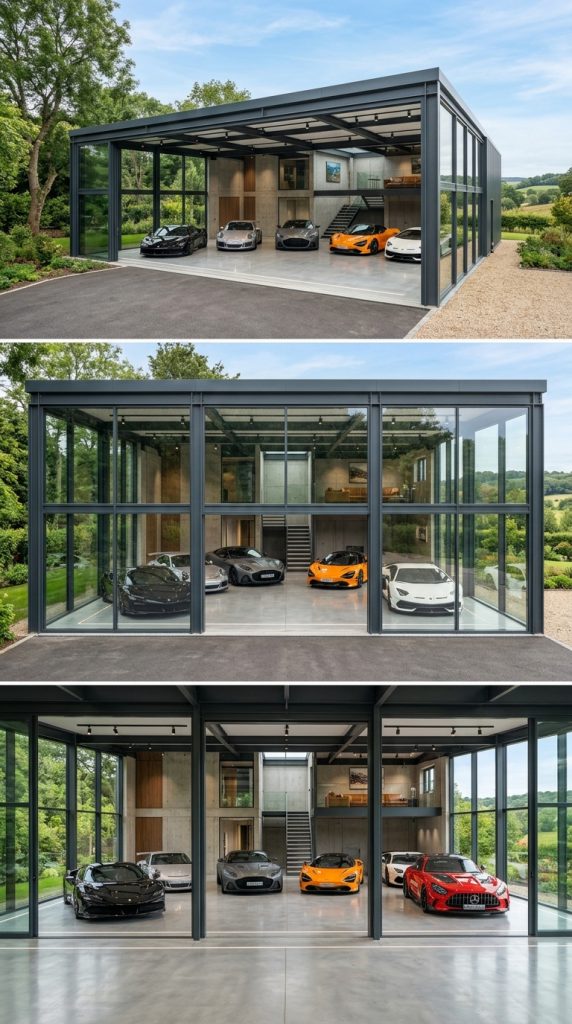
Idea 6: Glass-Walled Luxury Garage
A glass-walled luxury garage in Bloxburg focuses on transparency, openness, and modern architectural appeal. This design allows the garage interior—and the vehicles inside—to be visible from the outside, creating a showroom-like presentation even before entering the space. It is especially popular among players who want to showcase their vehicles as part of the overall house exterior design.
The defining feature of this garage is the use of large glass panels as walls. These panels are often framed with metal or concrete structures to maintain stability while preserving a sleek appearance. The transparency of the walls allows natural light to flood the interior, reducing the need for excessive artificial lighting during the day. At night, interior lighting becomes a visual highlight, making the garage glow from the outside.
Inside, the layout is typically clean and organized, as everything is visible through the glass. Vehicles are arranged symmetrically with proper spacing to maintain visual balance. Flooring is usually made of polished concrete or tiles to complement the modern aesthetic. Lighting fixtures such as recessed ceiling lights or subtle LED strips are used to ensure consistent illumination without overpowering the space.
How to Build:
Start by constructing a rectangular layout with strong structural framing. Replace traditional walls with glass panels supported by metal or concrete frames. Choose a polished flooring material such as tiles or smooth concrete. Install evenly spaced ceiling lights for consistent brightness. Position vehicles with equal spacing and align them neatly within the garage. Avoid clutter, as everything will be visible from outside. Add minimal decor such as a plant or wall accent if desired. Ensure symmetry in both layout and lighting to maintain a cohesive modern look.
Materials Used:
Glass panels, metal or concrete frames, polished tile or concrete flooring, recessed lighting, LED strips, minimal decor elements.
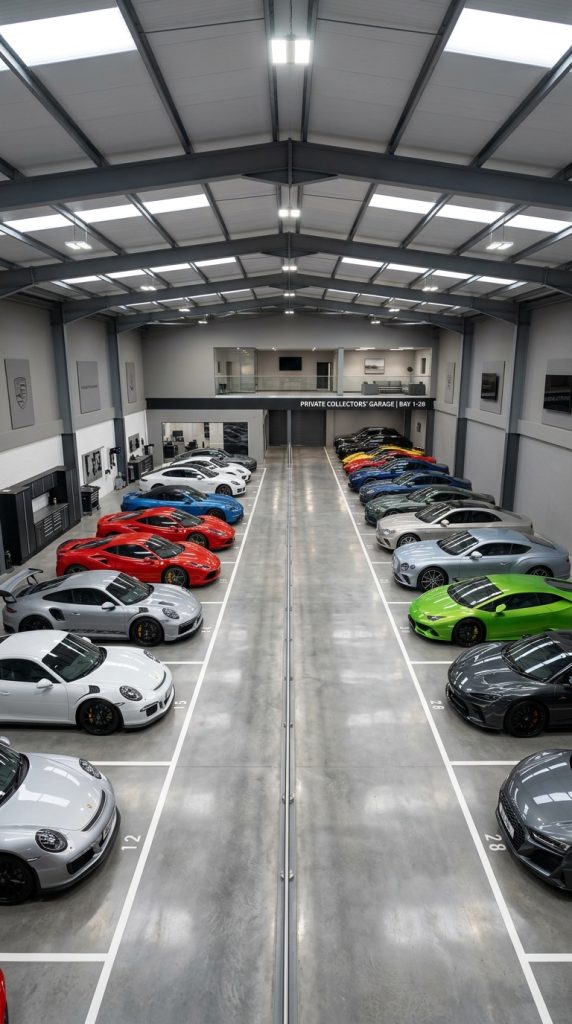
Idea 7: Multi-Vehicle Luxury Display Garage
A multi-vehicle luxury display garage is designed for players who own several cars and want to showcase them in an organized, structured environment within Bloxburg. This design focuses on creating dedicated parking zones for each vehicle while maintaining a clean and visually appealing layout.
The core idea is to divide the garage into multiple sections, each allocated for a specific vehicle. These sections are often aligned in rows or arranged symmetrically to create a balanced composition. Floor markings, spacing gaps, or subtle dividers can be used to distinguish each parking spot. This approach not only improves organization but also enhances the overall presentation.
The environment typically uses neutral or modern materials such as polished concrete flooring and light-colored walls. Lighting is evenly distributed to ensure all vehicles are equally visible. Overhead lighting or spotlights may be used to highlight each car individually, especially if the garage is large. The layout emphasizes accessibility, allowing easy movement between vehicles without obstruction.
How to Build:
Choose a wide and open floor plan to accommodate multiple vehicles. Divide the space into equal sections using spacing, floor markings, or subtle dividers. Use polished concrete or tile flooring for a clean base. Install consistent overhead lighting to ensure uniform brightness across the entire garage. Arrange vehicles in rows or symmetrical patterns with equal spacing between each. Keep pathways wide for easy navigation. Add minimal storage along walls to avoid clutter. Maintain a structured and organized layout to ensure each vehicle stands out clearly.
Materials Used:
Concrete or tile flooring, lighting fixtures, floor markers or dividers, storage units, neutral wall materials, minimal decor elements.
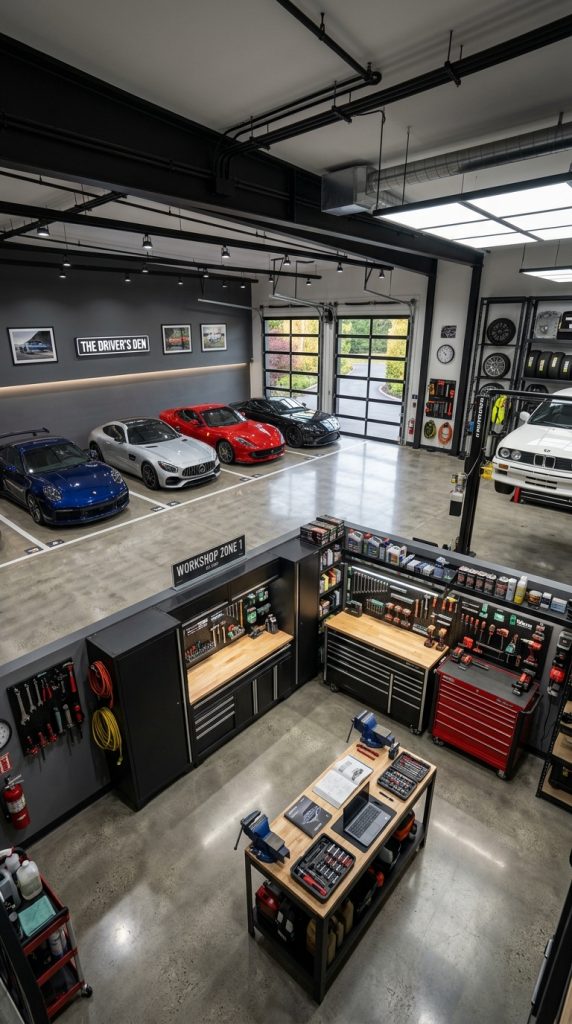
Idea 8: Luxury Garage with Integrated Workshop
This garage design combines vehicle storage with a functional workshop area, making it both practical and visually appealing in Bloxburg. It is ideal for players who want realism and utility, as it replicates real-life garages where maintenance and repairs can be done alongside parking.
The layout is divided into two main zones: the parking area and the workshop area. The parking section is kept clean and organized, while the workshop area includes tools, workbenches, and storage for equipment. This separation ensures that both functions can coexist without interfering with each other.
Lighting plays an important role in distinguishing the two zones. Bright task lighting is used in the workshop area to provide clear visibility for detailed work, while softer ambient lighting is used in the parking area. Storage solutions such as wall-mounted cabinets, shelves, and tool racks help maintain organization and reduce clutter.
How to Build:
Start by dividing the garage into two sections: one for vehicles and one for workspace. Use polished flooring throughout for consistency. Install bright task lighting above the workshop area and standard lighting for the parking zone. Place a workbench along one wall with nearby storage cabinets and tool racks. Keep the vehicle area open with clearly defined parking spaces. Ensure both sections are easily accessible and well-organized. Maintain a cohesive design by using matching materials and colors across both zones. Avoid overcrowding either section to preserve functionality and aesthetics.
Materials Used:
Concrete or tile flooring, workbenches, storage cabinets, shelves, tool racks, lighting fixtures, neutral wall finishes.
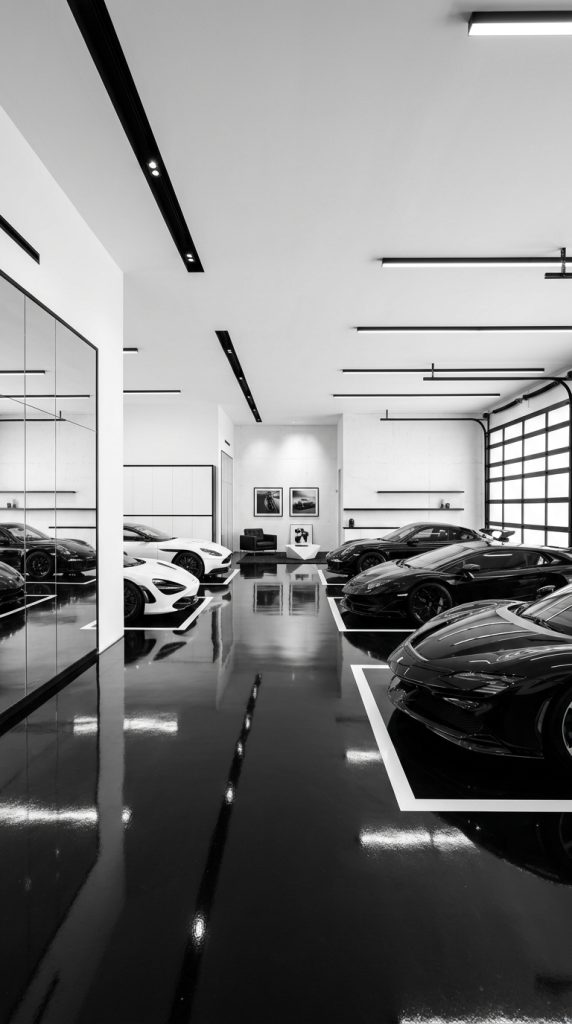
Idea 9: Black & White Contrast Luxury Garage
A black and white contrast garage uses a monochrome color scheme to create a bold, elegant, and timeless aesthetic in Bloxburg. This design relies on the visual impact of contrast rather than complex decoration, making it both simple and striking.
The foundation of this design is the use of black and white elements in a balanced composition. For example, white walls paired with black flooring, or vice versa, create a strong visual contrast. Vehicles that match or complement this color scheme further enhance the overall aesthetic. The goal is to maintain consistency while allowing certain elements to stand out.
Lighting is typically bright and evenly distributed to highlight the contrast between black and white surfaces. Reflective materials such as glossy tiles or polished finishes can be used to enhance brightness and add depth. The layout is kept symmetrical and organized to maintain a clean and professional appearance.
How to Build:
Select a monochrome color palette using black and white tones. Apply contrasting colors to walls and flooring. Use glossy or polished materials to enhance reflections. Install bright overhead lighting to ensure the space remains well-lit. Arrange vehicles in a symmetrical layout with equal spacing. Incorporate black or white furniture and storage units that match the theme. Avoid introducing additional colors to maintain consistency. Use mirrors or glass elements to reflect light and enhance the visual depth of the space.
Materials Used:
Black and white concrete or tiles, glossy finishes, bright lighting fixtures, mirrors, glass panels, minimal decor elements.
Idea 10: Accent Lighting Focused Luxury Garage
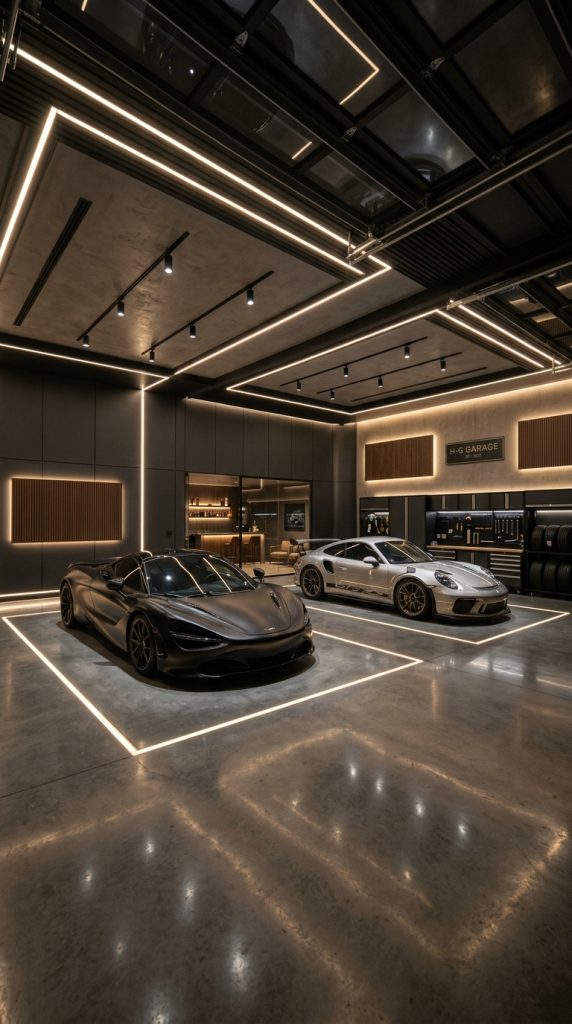
An accent lighting-focused luxury garage emphasizes lighting as the primary design feature in Bloxburg. Instead of relying heavily on decor or complex structures, this design uses lighting techniques to highlight architecture, vehicles, and spatial elements.
The concept revolves around layering different types of lighting, including ambient, task, and accent lighting. LED strip lights are often installed along ceilings, walls, and floors to create glowing outlines. Spotlights are used to highlight vehicles or focal points, while hidden lighting adds depth and dimension to the space.
The base design of the garage is usually kept neutral to allow the lighting effects to stand out. Walls and floors are typically in shades of gray, white, or black. Vehicles become visual highlights when illuminated with targeted lighting. The overall atmosphere can be adjusted depending on lighting color and intensity.
How to Build:
Start with a neutral base using simple wall and floor materials. Install LED strip lighting along architectural edges such as ceilings, walls, and floors. Add spotlights above vehicles to create focal points. Use hidden lighting behind panels or shelves for subtle ambient effects. Keep decor minimal to avoid distraction from lighting features. Arrange vehicles in a structured layout with proper spacing. Adjust lighting brightness and color to achieve the desired ambiance. Ensure the lighting is evenly distributed to avoid dark spots and maintain visual balance.
Materials Used:
LED strip lights, spotlights, neutral wall materials, concrete or tile flooring, glass elements, hidden lighting fixtures, minimal decor.