
Bathrooms are no longer just functional spaces—they have evolved into personal sanctuaries where comfort, relaxation, and style come together. In 2026, classic bathroom interiors are making a strong comeback, offering a perfect blend of timeless elegance and modern practicality. Unlike fleeting design trends, classic interiors focus on enduring beauty, refined details, and a sense of balance that never goes out of style. Whether you are renovating a small bathroom or designing a luxurious master bath, incorporating classic elements ensures that your space remains sophisticated and relevant for years to come.
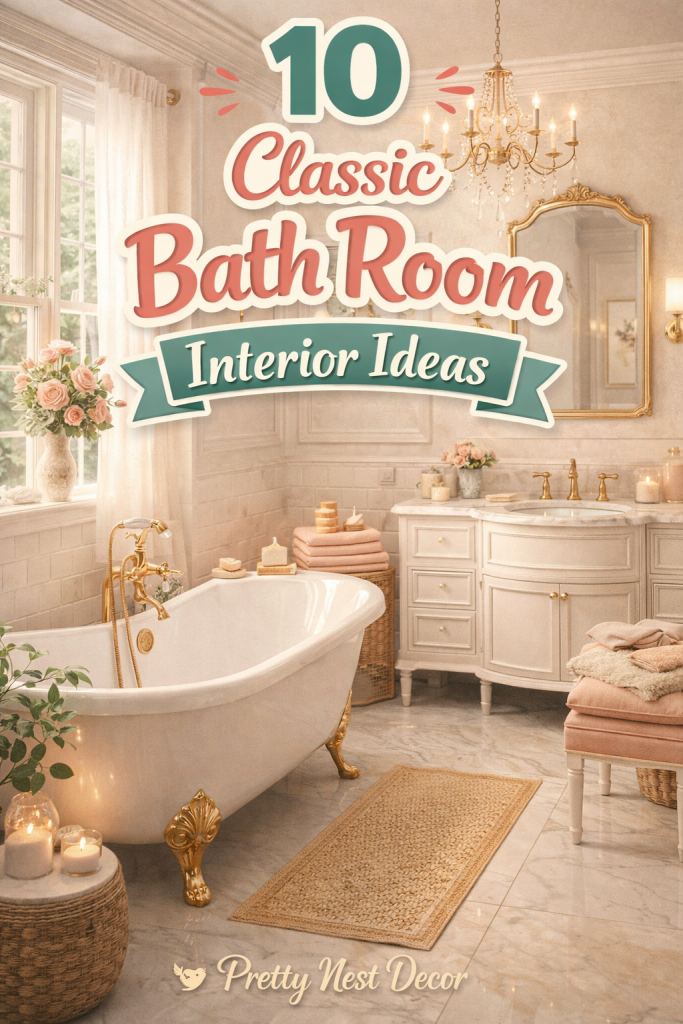
A classic bathroom is defined by its clean lines, neutral color palettes, and high-quality materials. Think marble countertops, porcelain fixtures, soft whites, muted tones, and elegant finishes that create a calm and inviting atmosphere. These elements work together to produce a space that feels both luxurious and comfortable. The beauty of classic design lies in its simplicity—it avoids excessive ornamentation while still maintaining a rich and polished look. This makes it ideal for homeowners who want a bathroom that feels timeless rather than trendy.
One of the key features of classic bathroom interiors is symmetry and balance. From double vanities to evenly spaced lighting fixtures, every element is thoughtfully placed to create harmony within the space. This sense of order not only enhances the visual appeal but also improves functionality. Storage solutions are seamlessly integrated, ensuring that the bathroom remains clutter-free while still meeting everyday needs. Built-in cabinets, elegant shelving, and hidden storage compartments allow you to maintain a clean and organized environment without compromising on style.
Materials play a crucial role in achieving a classic look. Natural stone, ceramic tiles, and wood accents are commonly used to add texture and depth. Marble, in particular, is a staple in classic bathroom design, known for its luxurious appearance and durability. Paired with polished chrome or brushed nickel fixtures, these materials create a refined aesthetic that feels both traditional and modern. In 2026, homeowners are also incorporating subtle contemporary touches—such as improved lighting and smart storage—while preserving the core elements of classic design.
Lighting is another essential aspect that defines the ambiance of a classic bathroom. Soft, warm lighting creates a relaxing environment, while strategically placed fixtures enhance functionality. Wall sconces, pendant lights, and chandeliers are often used to add a touch of elegance. These lighting choices not only illuminate the space but also serve as decorative features that elevate the overall design. Natural light, when available, further enhances the beauty of classic interiors by highlighting textures and finishes.
Another reason for the growing popularity of classic bathroom interiors is their versatility. This design style can be adapted to suit different preferences, whether you lean towards a more traditional look or prefer a subtle modern twist. For instance, you can incorporate vintage-inspired fixtures for a more traditional feel or opt for sleeker finishes to create a contemporary-classic fusion. This flexibility allows homeowners to personalize their space while still maintaining a cohesive and timeless aesthetic.
Functionality remains at the heart of every well-designed bathroom. Classic interiors prioritize comfort and usability, ensuring that every feature serves a purpose. From spacious vanities and well-designed storage to efficient layouts and durable materials, every detail is carefully considered. This approach not only enhances daily routines but also increases the long-term value of your home. A well-designed classic bathroom is an investment that combines beauty with practicality.
In addition to aesthetics and functionality, classic bathroom designs also evoke a sense of calm and relaxation. The use of soft colors, natural materials, and balanced layouts creates a soothing environment that feels like a personal retreat. In today’s fast-paced world, having a space where you can unwind and recharge is more important than ever. A classic bathroom provides that sense of tranquility, making it a perfect escape within your home.
This guide on “10 Classic Bathroom Interior Ideas” is designed to inspire you with practical, stylish, and easy-to-implement concepts. Each idea will focus on combining timeless design principles with modern convenience, ensuring that your bathroom is both beautiful and functional. Whether you are starting from scratch or updating an existing space, these ideas will help you create a bathroom that reflects elegance, comfort, and enduring style.
As you explore these ideas, you’ll discover how small details—such as fixtures, finishes, and layout choices—can make a significant impact. From elegant vanities to sophisticated lighting and smart storage solutions, every element contributes to the overall harmony of the space. By focusing on quality, balance, and timeless appeal, you can transform your bathroom into a space that not only meets your needs but also enhances your daily life.
By the end of this article, you’ll have a clear understanding of how to design a classic bathroom that stands the test of time. Get ready to create a Pinterest-worthy space that combines elegance, functionality, and comfort in the most beautiful way possible.
Idea 1: Elegant Marble Vanity with Double Sink
Introduction
A marble vanity with a double sink is the ultimate symbol of classic bathroom elegance. In 2026, this timeless feature continues to dominate interior trends because it perfectly blends luxury with functionality. Marble, known for its natural veining and polished finish, instantly elevates any bathroom space. When paired with a double sink setup, it becomes not only visually appealing but also highly practical—especially for shared bathrooms. This design ensures that two people can use the space simultaneously without compromising comfort or organization.
The beauty of a marble vanity lies in its versatility. It complements both traditional and modern-classic interiors, depending on the style of cabinetry and fixtures you choose. Soft white tones, neutral cabinetry, and polished chrome or brushed nickel faucets enhance the refined aesthetic. Additionally, built-in storage within the vanity helps maintain a clutter-free environment, which is essential for achieving a clean and balanced classic look. This idea is perfect for homeowners who want to create a luxurious yet practical bathroom centerpiece that stands the test of time.

What It Is
A dual-sink vanity unit topped with marble, offering both elegance and functionality.
Step-by-Step How-To
- Measure Your Space: Ensure enough room for a double vanity.
- Choose Marble Slab: Select a marble design with subtle veining.
- Install Cabinet Base: Secure a sturdy cabinet for support.
- Fit the Marble Top: Place and seal the marble surface.
- Install Sinks & Faucets: Attach double sinks and fixtures.
- Add Finishing Touches: Include mirrors and lighting above.
Materials List
- Marble countertop
- Vanity cabinet
- Two sinks
- Faucets (chrome or brushed nickel)
- Plumbing tools
- Sealant and adhesive
Idea 2: Freestanding Bathtub with Vintage Appeal
Introduction
A freestanding bathtub is a defining feature of classic bathroom design. Its sculptural form and timeless elegance make it a focal point that instantly enhances the overall aesthetic. In 2026, vintage-inspired bathtubs—such as clawfoot or pedestal styles—are trending for their ability to create a luxurious, spa-like atmosphere. Unlike built-in tubs, freestanding designs offer flexibility in placement, allowing you to position them strategically to maximize both space and visual impact.
This type of bathtub not only adds beauty but also promotes relaxation. The classic curves and deep basin create a comfortable soaking experience, making it perfect for unwinding after a long day. Pairing the tub with vintage-style fixtures, such as floor-mounted faucets or handheld showerheads, enhances the traditional look. Surrounding the tub with subtle decor elements like candles, rugs, or plants further elevates the ambiance. This idea is ideal for those who want to transform their bathroom into a serene retreat while maintaining a timeless design.

What It Is
A standalone bathtub designed with classic curves and vintage-inspired features.
Step-by-Step How-To
- Choose Tub Style: Select clawfoot or pedestal design.
- Plan Placement: Position tub in a central or visually appealing spot.
- Install Plumbing: Ensure proper water supply and drainage.
- Add Fixtures: Install vintage-style faucets and shower attachments.
- Seal & Test: Check for leaks and secure all connections.
- Style the Area: Add rugs, candles, or decor for ambiance.
Materials List
- Freestanding bathtub
- Floor-mounted faucet
- Plumbing pipes and fittings
- Sealant
- Decorative accessories
Idea 3: Classic Subway Tile Walls with Contrast Grout
Introduction
Subway tiles are a cornerstone of classic bathroom design, known for their clean lines and timeless appeal. In 2026, this design remains a favorite due to its simplicity, versatility, and affordability. Typically rectangular and arranged in a brick pattern, subway tiles create a crisp, organized look that enhances the sense of space. Adding contrast grout—such as dark grout with white tiles—introduces depth and highlights the tile pattern, making the design more visually interesting.
This idea works well for both small and large bathrooms, as it reflects light and creates a bright, airy feel. Subway tiles can be used on walls, shower areas, or even as a backsplash behind the vanity. Their durability and easy maintenance make them a practical choice for everyday use. By pairing them with classic fixtures and neutral tones, you can achieve a cohesive and elegant look that never goes out of style.
What It Is
Rectangular ceramic tiles arranged in a classic pattern, often enhanced with contrasting grout lines.

Step-by-Step How-To
- Prepare Wall Surface: Clean and level the walls.
- Plan Tile Layout: Decide on pattern (horizontal or vertical).
- Apply Adhesive: Spread tile adhesive evenly.
- Install Tiles: Place tiles carefully with spacers.
- Add Grout: Fill gaps with contrasting grout.
- Clean & Seal: Wipe excess grout and seal tiles.
Materials List
- Subway tiles
- Tile adhesive
- Grout (contrast color)
- Tile spacers
- Trowel and sponge
- Sealant
Idea 4: Vintage-Inspired Bathroom Lighting Fixtures
Introduction
Lighting is a key element in creating a classic bathroom atmosphere. Vintage-inspired lighting fixtures, such as wall sconces, chandeliers, or pendant lights, add elegance and warmth to the space. In 2026, these fixtures are trending because they combine decorative appeal with functionality. Unlike modern lighting, which often focuses on minimalism, vintage designs embrace detail, texture, and character.
Soft, warm lighting enhances the overall ambiance, making the bathroom feel cozy and inviting. Placing sconces on either side of a mirror provides balanced illumination, while a small chandelier can act as a statement piece. These lighting choices not only improve visibility but also highlight other design elements, such as marble surfaces or tiled walls. This idea is perfect for homeowners looking to elevate their bathroom with minimal effort but maximum impact.

What It Is
Decorative lighting fixtures inspired by traditional designs, providing both illumination and style.
Step-by-Step How-To
- Choose Fixture Style: Select sconces, pendants, or chandelier.
- Plan Placement: Position lights for balanced illumination.
- Install Wiring: Ensure safe electrical setup.
- Mount Fixtures: Secure lights to wall or ceiling.
- Insert Bulbs: Use warm-toned bulbs for classic feel.
- Test Lighting: Adjust brightness and placement.
Materials List
- Lighting fixtures
- Light bulbs (warm tone)
- Electrical tools
- Screws and mounts
- Switches or dimmers
Idea 5: Wooden Vanity with Classic Cabinet Detailing
Introduction
A wooden vanity with classic cabinet detailing brings warmth and sophistication to a bathroom. In 2026, natural materials are highly valued for their ability to create a balanced and inviting space. Wood, with its rich textures and tones, contrasts beautifully with stone surfaces and ceramic fixtures, adding depth to the design. Classic cabinet detailing—such as paneling, molding, or antique-style handles—enhances the traditional aesthetic.
This type of vanity not only looks elegant but also offers practical storage solutions. Drawers and cabinets help keep toiletries organized, maintaining a clean and clutter-free environment. Depending on the finish, you can achieve different styles, from light and airy to dark and dramatic. Pairing the vanity with a marble or quartz countertop further elevates the design. This idea is perfect for homeowners who want a timeless, functional, and visually appealing bathroom centerpiece.

What It Is
A wooden bathroom vanity featuring traditional cabinet designs and ample storage.
Step-by-Step How-To
- Select Vanity Design: Choose a classic cabinet style.
- Measure Space: Ensure proper fit in your bathroom.
- Install Vanity Base: Secure it to the floor or wall.
- Add Countertop: Place and seal the surface.
- Install Sink & Faucet: Complete plumbing setup.
- Add Hardware: Attach handles and decorative elements.
Materials List
- Wooden vanity cabinet
- Countertop (marble or quartz)
- Sink and faucet
- Screws and anchors
- Cabinet handles
- Sealant
Idea 6: Frameless Glass Shower with Classic Tile Base
Introduction
A frameless glass shower is a perfect way to blend classic elegance with modern simplicity. In 2026, this design is trending because it keeps the bathroom feeling open and spacious while allowing traditional elements—like tiles and fixtures—to shine. Unlike bulky shower enclosures, frameless glass panels create a seamless look that enhances light flow and makes even small bathrooms feel larger. When paired with a classic tile base, such as marble or patterned ceramic, it creates a balanced aesthetic that feels both timeless and fresh.
This idea works particularly well in bathrooms where you want to highlight beautiful tile work or maintain a clean, uncluttered appearance. The transparency of the glass allows decorative elements like subway tiles or mosaic flooring to become focal points. Additionally, frameless designs are easier to clean and maintain, making them a practical choice for everyday use. This combination of elegance, functionality, and simplicity makes it a must-have feature in any classic bathroom design.

What It Is
A shower enclosure made of clear glass panels without bulky frames, paired with classic tile flooring or walls.
Step-by-Step How-To
- Measure Shower Area: Determine the size and layout.
- Choose Glass Panels: Select tempered glass for safety.
- Prepare Tile Base: Install marble or ceramic tiles.
- Install Glass Panels: Secure panels with minimal hardware.
- Seal Edges: Use waterproof sealant to prevent leaks.
- Add Fixtures: Install showerhead and controls.
Materials List
- Tempered glass panels
- Tile materials (marble or ceramic)
- Waterproof sealant
- Metal brackets or hinges
- Shower fixtures
Idea 7: Classic Mirror Frames with Ornate Detailing
Introduction
Mirrors are essential in any bathroom, but in a classic interior, they also serve as decorative focal points. In 2026, ornate mirror frames are making a strong comeback, adding elegance and personality to bathroom spaces. These frames, often inspired by vintage or traditional designs, feature intricate carvings, metallic finishes, or antique textures that elevate the overall look.
A well-chosen mirror can transform a simple vanity into a sophisticated centerpiece. Whether you opt for gold, silver, or painted wood finishes, the key is to complement the rest of the bathroom design. Large mirrors also help reflect light, making the space feel brighter and more open. Pairing them with classic lighting fixtures like wall sconces enhances both functionality and style. This idea is perfect for adding a touch of luxury without major renovations.

What It Is
Decorative mirrors with detailed frames that enhance both functionality and aesthetics.
Step-by-Step How-To
- Choose Mirror Style: Select ornate or vintage-inspired frame.
- Measure Wall Space: Ensure proper size and placement.
- Install Mounting Hardware: Use strong hooks or brackets.
- Hang Mirror Securely: Align it with vanity or sink.
- Add Lighting: Place sconces beside the mirror.
- Clean & Maintain: Keep mirror spotless for best effect.
Materials List
- Framed mirror
- Wall anchors and hooks
- Screws and drill
- Cleaning supplies
- Optional lighting fixtures
Idea 8: Neutral Color Palette with Soft Accents
Introduction
A neutral color palette is the foundation of any classic bathroom design. In 2026, soft whites, creams, greys, and beige tones continue to dominate because they create a calm and timeless environment. These colors provide a clean backdrop that allows materials, textures, and fixtures to stand out. Unlike bold or trendy colors, neutrals ensure that your bathroom remains stylish for years to come.
Adding soft accents—such as pastel towels, subtle patterns, or natural textures—enhances the overall aesthetic without overwhelming the space. This approach creates a balanced and harmonious environment that feels both relaxing and elegant. Neutral palettes also make it easier to update your bathroom over time, as you can simply change accessories or decor without altering the core design. This idea is ideal for homeowners who want a versatile and low-maintenance interior.

What It Is
A bathroom design based on soft, neutral tones complemented by subtle decorative accents.
Step-by-Step How-To
- Choose Base Colors: Select neutral shades for walls and tiles.
- Paint Walls: Apply high-quality paint evenly.
- Select Fixtures: Choose finishes that match the palette.
- Add Textiles: Incorporate towels, rugs, and curtains.
- Include Decor: Add small accents like plants or vases.
- Balance the Look: Ensure colors remain cohesive.
Materials List
- Paint (neutral shades)
- Brushes or rollers
- Towels and rugs
- Decorative items
- Plants (optional)
Idea 9: Built-In Storage with Classic Cabinetry
Introduction
Storage is essential in any bathroom, and built-in cabinetry offers a seamless way to keep everything organized while maintaining a classic look. In 2026, homeowners are focusing on integrated storage solutions that blend effortlessly with the overall design. Built-in cabinets provide ample space for toiletries, towels, and essentials without creating visual clutter.
Classic cabinetry often features panel detailing, soft-close doors, and elegant hardware, adding both functionality and style. These cabinets can be installed around the vanity, above the toilet, or along unused wall space. By keeping storage hidden yet accessible, you can maintain a clean and organized bathroom. This idea is perfect for maximizing space, especially in smaller bathrooms where every inch counts.

What It Is
Custom or built-in cabinets designed to provide hidden storage while matching classic bathroom aesthetics.
Step-by-Step How-To
- Measure Available Space: Identify areas for cabinets.
- Design Layout: Plan shelves, drawers, and compartments.
- Build or Buy Cabinets: Choose classic-style designs.
- Install Units: Secure cabinets to walls or floors.
- Add Hardware: Attach handles or knobs.
- Organize Items: Arrange toiletries neatly inside.
Materials List
- Cabinet units
- Screws and anchors
- Handles or knobs
- Measuring tools
- Storage organizers
Idea 10: Classic Floor Tiles with Patterned Design
Introduction
Flooring is a key element that ties together the entire bathroom design. In 2026, patterned floor tiles are making a strong comeback in classic interiors. From black-and-white checkerboard patterns to subtle geometric designs, these tiles add visual interest while maintaining a timeless appeal. Unlike plain flooring, patterned tiles create a focal point that enhances the overall aesthetic.
Classic floor tiles are not only stylish but also durable and easy to maintain. They work well with neutral walls and elegant fixtures, creating a balanced and cohesive look. Whether you choose bold patterns or subtle designs, the key is to ensure they complement the rest of the bathroom. This idea is perfect for adding character and depth without overwhelming the space.

What It Is
Decorative floor tiles featuring classic patterns that enhance the bathroom’s visual appeal.
Step-by-Step How-To
- Choose Tile Pattern: Select classic or geometric design.
- Prepare Floor Surface: Clean and level the area.
- Apply Adhesive: Spread evenly across the floor.
- Lay Tiles: Place tiles carefully with spacers.
- Add Grout: Fill gaps and smooth the surface.
- Seal Tiles: Protect against moisture and wear.
Materials List
- Floor tiles
- Tile adhesive
- Grout
- Spacers
- Trowel and sponge
- Sealant