
Creating a wooden bird feeder station in your backyard is one of the most rewarding DIY projects for nature lovers, gardeners, and families who enjoy watching wildlife. Bird feeder stations provide a dedicated place where birds can gather to eat, rest, and interact, turning an ordinary outdoor space into a lively and peaceful environment. Whether you have a large garden, a cozy backyard, or even a small outdoor patio, a well-designed wooden feeder station can attract a wide variety of birds while also enhancing the natural beauty of your outdoor space.
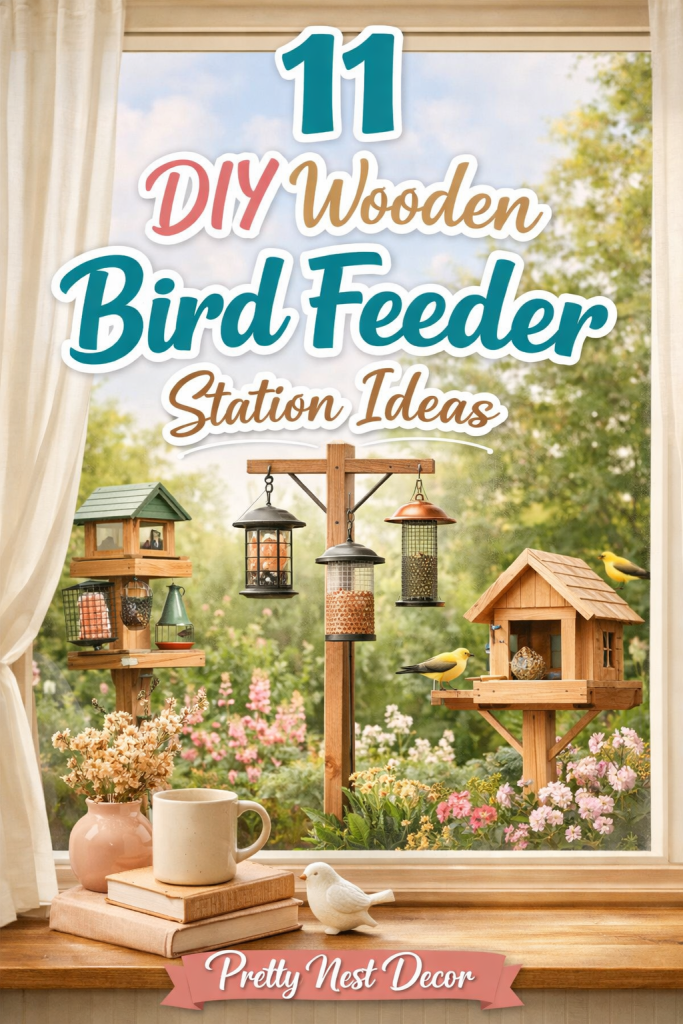
Birdwatching has become increasingly popular because it encourages people to slow down, enjoy nature, and observe wildlife up close. A wooden bird feeder station makes this experience even more special because it creates a central location where birds can comfortably gather. Instead of scattering feeders randomly around the yard, a feeder station organizes multiple feeders, perches, and decorative elements in one place. This makes it easier for birds to find food and for you to enjoy watching them from a window, patio, or garden bench.
Wood is one of the best materials for building bird feeder stations. It is durable, easy to work with, and blends naturally into outdoor landscapes. A wooden structure feels warm and rustic, which makes it visually appealing in gardens and yards. Cedar, pine, and reclaimed wood are especially popular choices because they are sturdy and weather-resistant. Wooden feeder stations can also be customized in countless ways, allowing you to add shelves, hanging hooks, decorative roofs, flower boxes, and perching spots for birds.
One of the biggest advantages of DIY bird feeder stations is that they can be built with simple tools and basic materials. Many designs only require a few wooden boards, screws, and a sturdy post. Even beginner DIYers can successfully create a feeder station with minimal woodworking experience. These projects are also a wonderful opportunity to involve children or family members in outdoor activities, teaching them about wildlife care and nature conservation.
Another important aspect of bird feeder stations is their role in supporting local wildlife. Providing food sources such as seeds, suet, and nectar helps birds survive during colder months and periods when natural food sources are scarce. By creating a welcoming feeder station, you can attract birds like sparrows, finches, cardinals, chickadees, and woodpeckers. Watching these birds interact and feed can bring a sense of calm and joy to everyday life.
In addition to feeding birds, a well-designed station can become a decorative feature in your garden. Many DIY enthusiasts incorporate elements such as small wooden roofs, carved details, hanging lanterns, and flower planters into their feeder stations. These creative touches transform the structure into a charming garden focal point. Some designs even include multiple feeding areas to accommodate different types of birds and foods.
This guide will introduce creative wooden bird feeder station ideas that are practical, beginner-friendly, and visually appealing. Each idea includes a clear explanation, step-by-step instructions, and a list of materials so you can easily recreate the design at home. The ideas range from simple wooden post feeders to more elaborate garden stations with decorative elements.
By the end of this guide, you will have plenty of inspiration to build a beautiful bird feeder station that attracts birds while enhancing the look of your outdoor space. These DIY projects are not only functional but also enjoyable to create, giving you a rewarding way to connect with nature right in your own backyard.
1. Classic Wooden Post Bird Feeder Station
Introduction
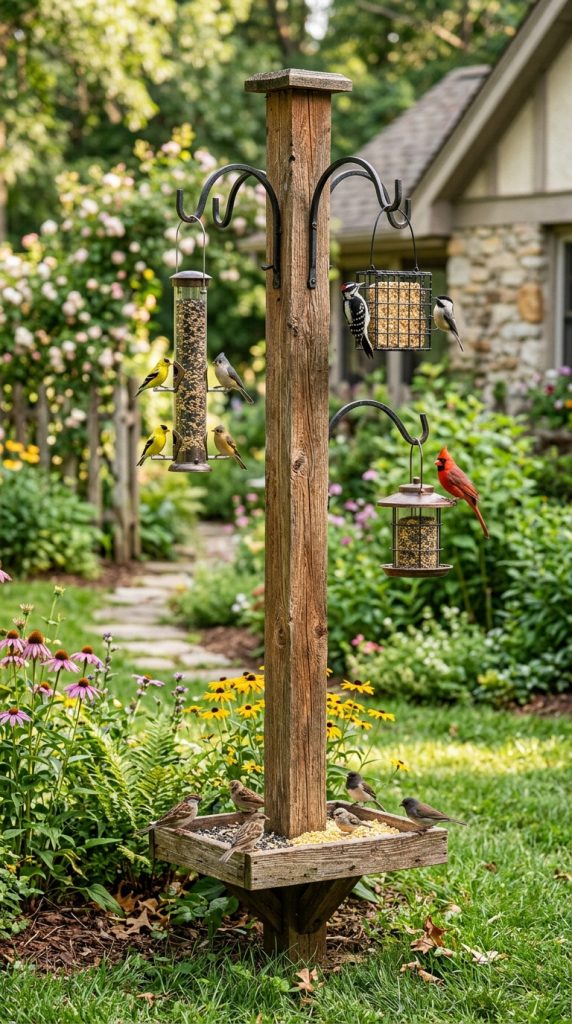
A classic wooden post bird feeder station is one of the simplest and most reliable ways to create a dedicated feeding area for backyard birds. This design features a sturdy wooden post placed securely in the ground with multiple hooks or arms for hanging feeders. Because of its simple structure, it is ideal for beginners who want to build their first bird feeder station without complicated woodworking techniques.
This type of feeder station is popular because it provides a clear and accessible feeding space for birds. The elevated position allows birds to feel safe from ground predators while also giving them a comfortable perch while eating. Additionally, the simple vertical design makes it easy to place several feeders at different heights, attracting a variety of bird species.
Another advantage of the classic wooden post station is its flexibility. You can hang seed feeders, suet cages, or small trays depending on the types of birds you want to attract. Over time, the station can be expanded with additional hooks, decorative elements, or small shelves.
Explanation
A wooden post bird feeder station is a vertical wooden pole installed into the ground with arms or hooks that support multiple feeders.
Step-by-Step How-To
- Select a sturdy wooden post approximately 6–7 feet tall.
- Dig a hole about 1.5–2 feet deep in your garden.
- Place the post into the hole and secure it with gravel or concrete.
- Attach metal hooks or wooden arms near the top of the post.
- Hang bird feeders from the hooks.
- Add a small platform near the base for ground-feeding birds.
- Fill feeders with birdseed and monitor bird activity.
Materials Needed
- Wooden post (cedar or pine)
- Metal hooks or brackets
- Screws and drill
- Gravel or concrete mix
- Hanging bird feeders
2. Wooden Feeder Station with Hanging Cross Arms
Introduction
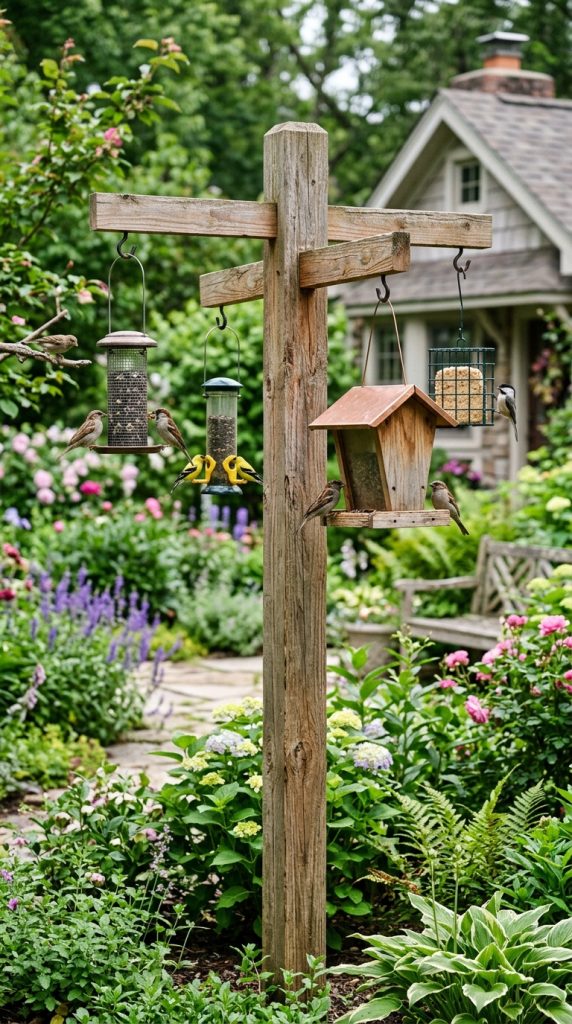
A wooden feeder station with cross arms is an excellent upgrade from the classic post design. Instead of using only one or two hooks, this structure features horizontal wooden arms attached to the central post. These arms allow multiple feeders to hang simultaneously, creating a more active feeding station.
This design works especially well for attracting different bird species because each feeder can hold different types of food. For example, one feeder might contain sunflower seeds while another contains suet or mixed grains. Birds naturally gather around the station, creating a lively backyard scene.
Another benefit of cross-arm feeder stations is their balanced appearance. The symmetrical layout of the arms makes the structure visually pleasing while also maximizing feeding space.
Explanation
A cross-arm feeder station uses horizontal wooden arms attached to a central post, allowing multiple feeders to hang from different directions.
Step-by-Step How-To
- Install a central wooden post securely in the ground.
- Cut two wooden boards about 18–24 inches long.
- Attach the boards horizontally near the top of the post to create a cross shape.
- Screw metal hooks into the ends of each arm.
- Hang bird feeders from each hook.
- Add decorative touches such as carved edges or paint.
Materials Needed
- Wooden post
- Wooden boards for cross arms
- Screws and drill
- Hanging hooks
- Bird feeders
3. Rustic Wooden Feeder Station with Small Roof
Introduction
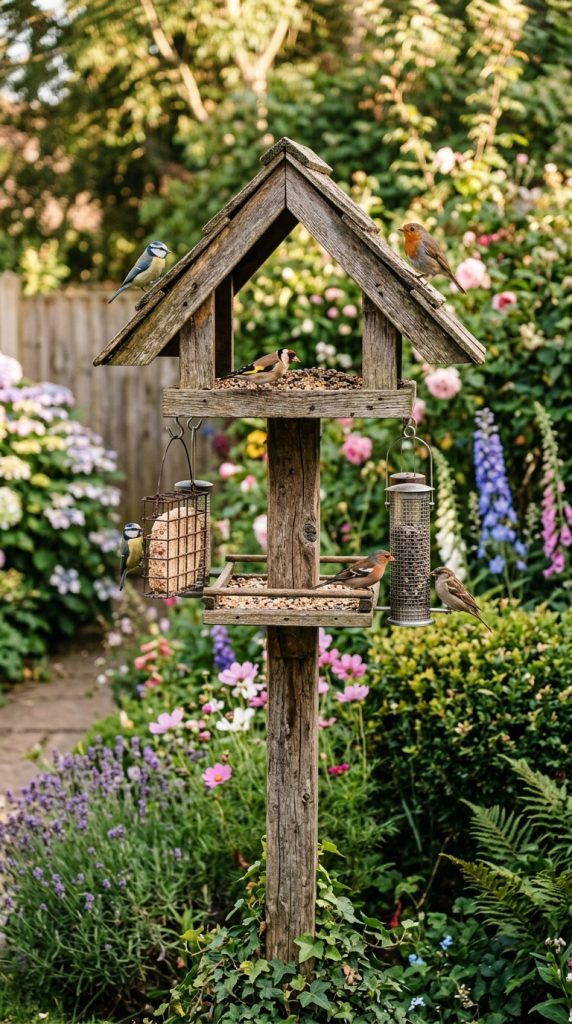
A rustic wooden bird feeder station with a small roof offers both functionality and charm. The addition of a wooden roof protects feeders from rain and snow while also giving the structure a cozy, cottage-style appearance. This design is especially useful in regions where weather conditions can affect bird food.
The roof also provides birds with a small sheltered area where they can perch while feeding. Many birds prefer covered feeding spots because they feel safer and more comfortable. As a result, this type of feeder station often attracts more bird activity than open designs.
Explanation
This feeder station includes a central wooden structure with a small roof that protects feeders and birds from the elements.
Step-by-Step How-To
- Install a wooden post into the ground.
- Attach a small wooden platform near the top.
- Build a triangular wooden roof using two angled boards.
- Secure the roof above the platform.
- Hang feeders underneath the roof for protection.
Materials Needed
- Wooden post
- Small wooden boards
- Nails or screws
- Drill
- Outdoor wood sealant
4. Multi-Level Wooden Bird Feeding Station
Introduction
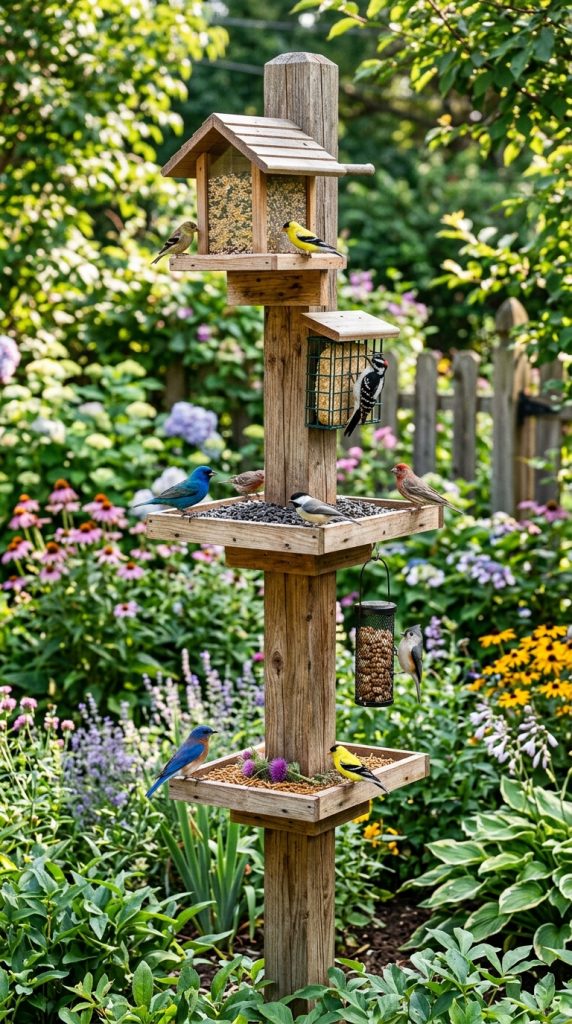
A multi-level bird feeder station is perfect for bird enthusiasts who want to attract a wide variety of bird species. Different birds prefer different feeding heights, so a multi-tier design allows multiple birds to feed comfortably at the same time.
This type of station features shelves or platforms at different levels along a central wooden structure. Each level can hold different types of food such as seeds, fruit, or suet.
Explanation
A multi-level station includes several feeding platforms placed at different heights on one wooden structure.
Step-by-Step How-To
- Install a sturdy wooden post.
- Attach small wooden shelves at different heights.
- Secure the shelves using brackets.
- Place feeders or food trays on each shelf.
Materials Needed
- Wooden post
- Wooden shelf boards
- Metal brackets
- Screws and drill
5. Wooden Bird Feeder Station with Flower Planter
Introduction
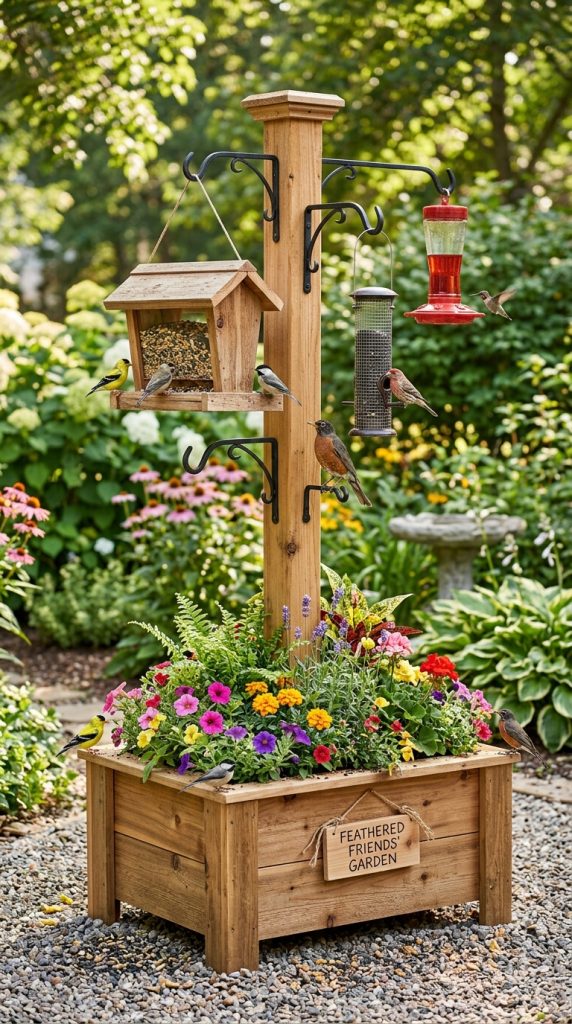
Combining a bird feeder station with a flower planter creates a beautiful garden feature that attracts both birds and pollinators. Flowers add color and natural charm to the feeder station while also providing nectar for certain bird species.
Explanation
This design includes a wooden feeder structure with a built-in planter box at the base.
Step-by-Step How-To
- Build a wooden planter box.
- Install a wooden post in the center of the planter.
- Attach hooks to the post for feeders.
- Fill the planter with flowers and soil.
Materials Needed
- Wooden boards
- Soil and flowers
- Screws and drill
- Hanging feeders
6. Wooden Bird Feeder Station with Decorative Pergola Top
Introduction
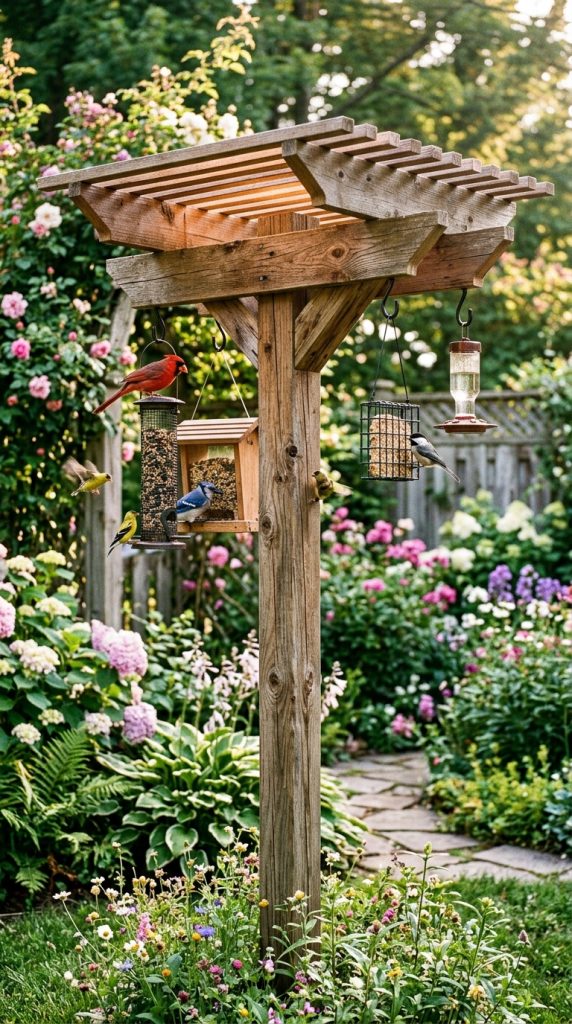
A wooden bird feeder station with a decorative pergola top is a beautiful way to combine functionality and garden aesthetics. Unlike basic feeder posts, this design adds a small pergola-style roof structure made from wooden slats that create a charming garden centerpiece. The pergola top gives the feeder station a more architectural appearance while also providing partial shade for birds while they feed.
Many backyard bird enthusiasts prefer structures like this because birds feel safer feeding in areas that provide some cover. The open pergola slats allow sunlight and airflow while still giving birds a place to perch and rest between feeding. Additionally, the design makes the feeder station look like a decorative feature in the garden rather than just a feeding pole.
This type of station works especially well in landscaped gardens, cottage-style yards, and nature-inspired outdoor spaces. When placed near flowers, shrubs, or small garden beds, the structure blends beautifully into the environment. Some DIY builders even allow small climbing plants or vines to grow along the pergola frame, creating a natural canopy effect.
Another benefit of this design is its versatility. You can hang several feeders from the pergola beams, attach hooks underneath the structure, or add small platforms for seed trays. This flexibility allows you to provide different food types such as sunflower seeds, suet, or fruit slices to attract a wider range of bird species.
Explanation
A pergola-top bird feeder station features a central wooden post supporting a small pergola-style frame with horizontal slats. Feeders hang from the beams, creating multiple feeding spots.
Step-by-Step How-To
- Install a sturdy wooden post approximately 6–7 feet tall into the ground using gravel or concrete.
- Cut four small wooden beams about 12–16 inches long to create the pergola frame.
- Attach these beams horizontally around the top of the post to form a square frame.
- Add smaller wooden slats across the top to create the pergola roof effect.
- Install metal hooks underneath the beams for hanging feeders.
- Hang different feeders such as seed feeders or suet cages.
- Optionally plant small climbing plants near the base for a natural decorative touch.
Materials Needed
- Wooden post (cedar or treated pine)
- Wooden slats for pergola roof
- Screws and drill
- Metal hanging hooks
- Gravel or concrete mix
- Bird feeders
7. Reclaimed Wood Bird Feeder Station
Introduction
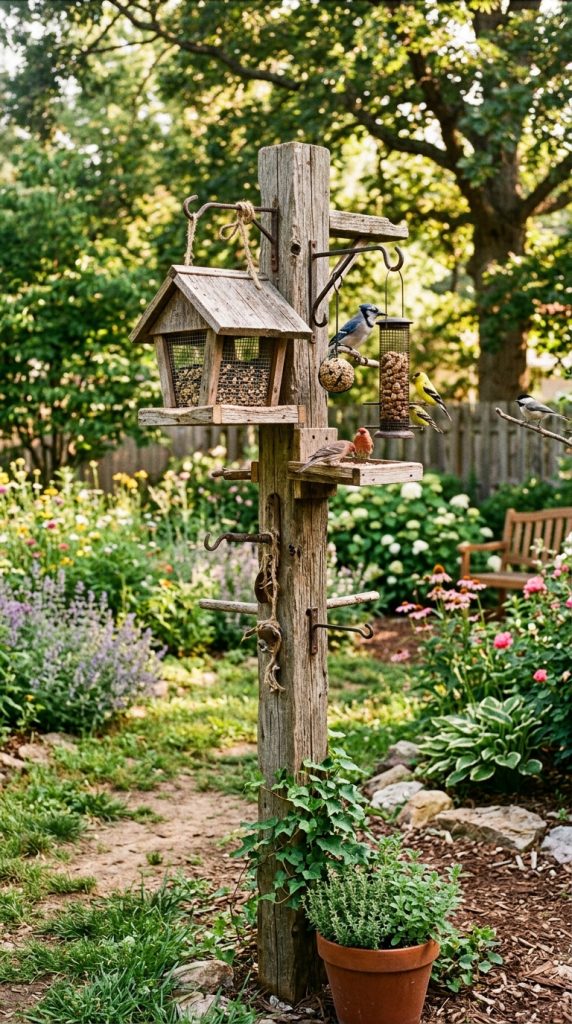
Using reclaimed wood for a bird feeder station is an eco-friendly and creative way to build a rustic backyard feature. Reclaimed wood often comes from old fences, pallets, barn boards, or leftover construction materials. These pieces usually have unique textures, weathered colors, and natural imperfections that give the feeder station a charming vintage look.
One of the main reasons many DIY enthusiasts choose reclaimed wood is sustainability. Reusing materials reduces waste and gives old wood a new purpose. It also adds character to your garden because reclaimed wood has a natural aged appearance that blends beautifully with outdoor environments.
Birds are not sensitive to the visual appearance of the structure, so reclaimed wood works just as well as new lumber. As long as the wood is sturdy and untreated with harmful chemicals, it can serve as an excellent building material for outdoor bird stations.
Another advantage is affordability. Many people already have scrap wood available, making this project extremely budget-friendly. With a little sanding and simple assembly, reclaimed wood can be transformed into a beautiful feeder station that looks like a handcrafted garden decoration.
Explanation
A reclaimed wood bird feeder station uses recycled wooden boards to build the central post, shelves, and feeder supports.
Step-by-Step How-To
- Gather reclaimed wood boards and inspect them for strength and stability.
- Sand rough edges to remove splinters.
- Assemble a central vertical post using a thick reclaimed beam.
- Attach small reclaimed boards horizontally to hold feeders or trays.
- Install hooks or nails for hanging feeders.
- Secure the structure into the ground using gravel or concrete.
- Seal the wood with a natural outdoor wood protector.
Materials Needed
- Reclaimed wood boards or pallets
- Sandpaper
- Screws or nails
- Drill or hammer
- Hanging hooks
- Natural wood sealant
8. Wooden Bird Feeding Station with Seed Tray Platform
Introduction
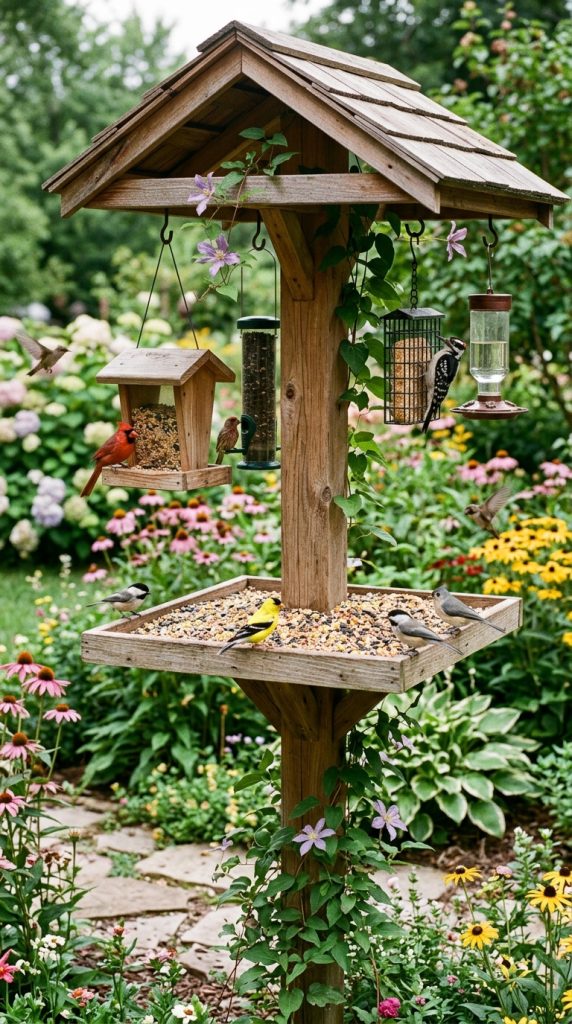
While hanging feeders are great for many bird species, some birds prefer feeding from open trays. A wooden bird feeding station with a seed tray platform provides a flat surface where birds can comfortably land and eat. This type of station is particularly attractive to birds like cardinals, jays, doves, and sparrows that prefer platform feeders.
The tray design also allows you to offer different food types such as mixed seeds, nuts, or fruit slices. Birds often gather around the tray and interact socially while feeding, creating a lively backyard scene.
Another advantage of a tray platform is visibility. Because the birds feed on an open surface, it becomes much easier to watch them from a window or garden chair. Many birdwatchers prefer tray feeders for this reason.
The platform can also be designed with small drainage holes so rainwater does not collect on the surface. This helps keep the food dry and prevents spoilage.
Explanation
A seed tray station includes a flat wooden platform attached to a central post where birds can land and feed.
Step-by-Step How-To
- Install a sturdy wooden post in the garden.
- Cut a square wooden board approximately 12–16 inches wide for the tray.
- Attach small wooden edges around the tray to prevent seeds from falling off.
- Drill small drainage holes in the tray.
- Secure the tray to the top of the wooden post using screws.
- Fill the tray with birdseed or nuts.
- Clean the tray regularly to keep food fresh.
Materials Needed
- Wooden post
- Wooden board for tray
- Small wooden strips for tray edges
- Drill and screws
- Birdseed
9. Wooden Bird Feeder Station with Multiple Hanging Hooks
Introduction
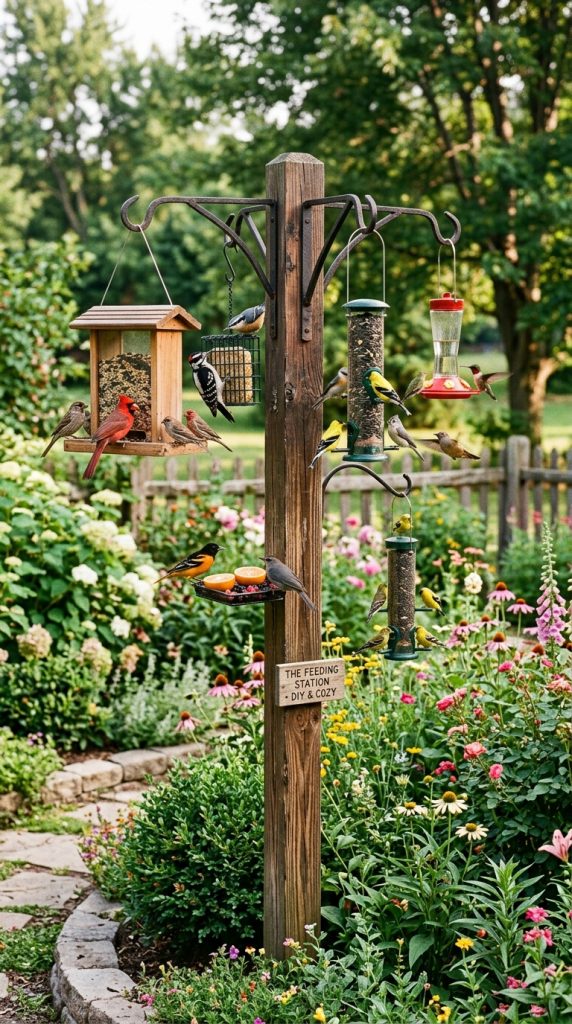
A multi-hook wooden bird feeder station is perfect for bird lovers who want to attract a variety of species. Different birds prefer different types of feeders and food, so having several hanging feeders in one place increases the chances of attracting diverse birds.
This design includes a central wooden post with several metal hooks extending from different directions. Each hook can hold a different feeder, allowing you to offer seeds, suet, nectar, or fruit at the same time.
The result is a busy feeding hub where birds can gather comfortably. This setup often creates lively bird activity because multiple birds can feed simultaneously without competing for a single feeder.
It also makes maintenance easier because all feeders are located in one organized area rather than scattered around the yard.
Explanation
This feeder station features several hooks attached to a wooden post, allowing multiple feeders to hang at once.
Step-by-Step How-To
- Install a wooden post securely into the ground.
- Mark positions around the post where hooks will be installed.
- Drill holes and attach strong metal hooks.
- Space hooks evenly to prevent feeders from touching.
- Hang different types of feeders from each hook.
- Fill feeders with various bird foods.
Materials Needed
- Wooden post
- Heavy-duty metal hooks
- Drill and screws
- Multiple bird feeders
- Birdseed and suet
10. Wooden Bird Feeder Station with Small Garden Fence Base
Introduction
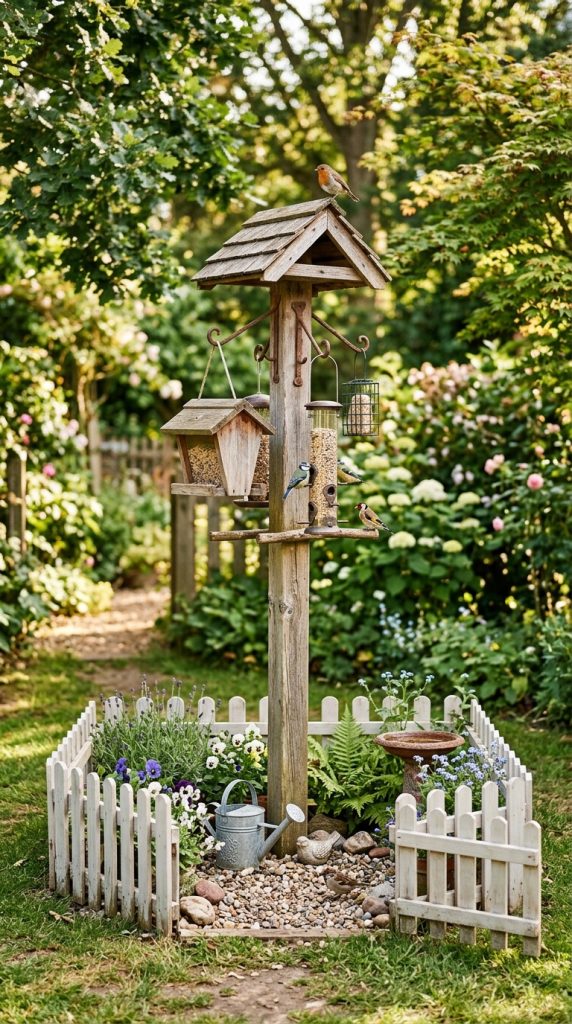
A wooden bird feeder station with a small garden fence base adds both decoration and protection to the feeding area. The fence creates a defined space around the base of the feeder station, making it look like a miniature garden feature. It also helps keep pets or wildlife from disturbing the feeding area.
Inside the fenced space, you can place decorative stones, flowers, or small plants that attract insects and birds. This creates a more natural habitat that birds enjoy visiting regularly.
The small fence also improves the appearance of the station by turning it into a charming garden focal point. Many homeowners use white picket-style mini fences or rustic wooden borders for this purpose.
Explanation
This design includes a feeder station surrounded by a small decorative fence to create a protected feeding area.
Step-by-Step How-To
- Install the wooden feeder post in the center of the chosen area.
- Place a small decorative wooden fence around the base.
- Fill the inside space with gravel, flowers, or plants.
- Hang feeders from the post.
- Maintain the area by refilling feeders and cleaning the ground.
Materials Needed
- Wooden post
- Small decorative wooden fence panels
- Gravel or soil
- Plants or flowers
- Bird feeders
11. Wooden Bird Feeder Station with Hanging Lantern Feeders
Introduction
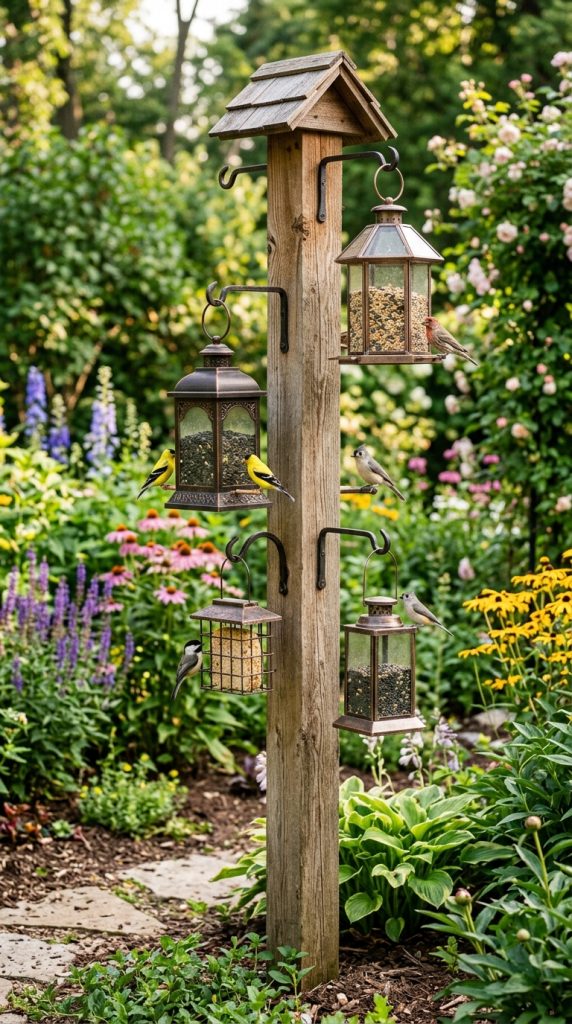
A wooden bird feeder station with hanging lantern-style feeders combines charm and functionality. Lantern feeders create a cozy, enclosed space for seeds or suet, protecting the food from wind and rain while allowing birds to perch safely. These feeders are particularly popular because they add a decorative element to your garden, looking like mini lanterns hanging from a rustic wooden post.
Lantern-style feeders attract curious birds and create a visually striking station. By combining multiple lantern feeders at different heights, you can encourage a variety of bird species to visit simultaneously. This setup also doubles as a charming outdoor décor element for your patio, garden, or backyard.
Explanation
Lantern-style feeders are small enclosed structures with open sides for birds to perch and feed. They can be hung from hooks attached to a wooden post feeder station.
Step-by-Step How-To
- Secure a sturdy wooden post in the ground.
- Attach multiple hooks at different heights around the post.
- Hang lantern-style feeders from the hooks.
- Fill the lanterns with birdseed or suet.
- Add small decorative elements like moss or faux vines on top of the lanterns.
Materials Needed
- Wooden post
- Hanging hooks
- Lantern-style feeders
- Birdseed or suet
- Decorative moss or vines