
Why Long Hair Needs Smarter Haircut Choices in 2026
Long hair looks like a blessing until you actually have to maintain it every day. On the surface, it feels versatile—you can tie it, braid it, leave it open, or style it in endless ways. But in reality, long hair is also where most people struggle the most with weight, frizz, lack of shape, and daily styling fatigue.
By 2026, the focus has shifted away from just “keeping hair long” to making long hair functional, lightweight, and shape-friendly. People are no longer impressed by length alone. What matters now is how that length behaves in real life—does it stay manageable? Does it frame the face properly? Does it look styled even on lazy days?
That’s where the right haircut makes a huge difference.
Most people make a critical mistake: they keep growing their hair without reshaping it. Over time, the ends become thin, the volume drops, and the overall look starts feeling heavy and dull. You end up tying it most of the time—not because you want to, but because it feels unmanageable.
A good long-hair haircut solves this problem at the root. It doesn’t take away your length—it gives your hair structure, movement, and balance so it actually looks good when open. And more importantly, it reduces the daily effort needed to make your hair look presentable.
If you have a small routine, limited time, or zero interest in complicated styling, the right haircut becomes even more important. Because instead of fighting your hair every morning, you let the cut do most of the work for you.
The Real Problem With Long Hair Today
Most long hairstyles fail for the same reasons:
- Ends become thin and uneven over time
- Hair starts looking flat and lifeless at the crown
- Layers are either missing or poorly placed
- Styling requires too much heat or effort
- Hair looks different open vs tied (lack of structure)
So what happens? You stop wearing it open. And that defeats the purpose of having long hair in the first place.
This is exactly why haircut trends in 2026 are not about dramatic transformations—they’re about smart shaping techniques that make long hair easier to live with.
What’s Changing in 2026 Hair Trends
The new direction for long hair is very clear:
- Soft layers instead of heavy chopping
- Face-framing cuts that lift the look instantly
- Natural movement instead of stiff structure
- Low-maintenance styles that grow out nicely
- Health-first cutting (less damage, more flow)
People are moving away from extreme layers or overly sharp cuts. Instead, the goal is to make hair look good in its natural state without needing constant styling tools.
If you have a busy lifestyle, this shift is actually working in your favor. Because now, the best haircut is not the most dramatic one—it’s the one that looks good with minimal effort and zero daily struggle.
What You Will Learn in This Article
This guide breaks down 11 trendy haircut ideas for long hair in 2026, but not in a shallow way.
For each style, you’ll understand:
- What the haircut actually is
- How it changes the shape and behavior of long hair
- Who it is best suited for (hair type, face shape, lifestyle)
- How to maintain it without extra effort
- A pro tip that most people don’t know
- A mistake that ruins the look completely
This is not about copying celebrity hairstyles blindly. It’s about choosing a haircut that actually fits your daily life.
Because a haircut is not just about appearance—it directly affects:
- How much time you spend styling your hair
- How confident you feel wearing it open
- How healthy your hair looks over time
- How manageable your daily routine becomes
Who This Guide Is For
This is for you if:
- You have long hair but rarely wear it open
- You feel your hair looks “too heavy” or “too flat”
- You want a change but not a drastic short haircut
- You prefer low-maintenance beauty routines
- You’re tired of styles that look good only in pictures
If you have a small room, limited styling tools, or no professional help—this still works. In fact, this guide is designed exactly for that kind of real-life situation.
The Mindset Shift You Need
Stop thinking of haircuts as “big changes.”
Start thinking of them as adjustments that make your life easier.
A good long-hair haircut should:
- Reduce daily effort
- Improve natural shape
- Work even without styling
- Stay good as it grows out
If your haircut doesn’t do these things, it’s not helping you—it’s just taking up length without purpose.
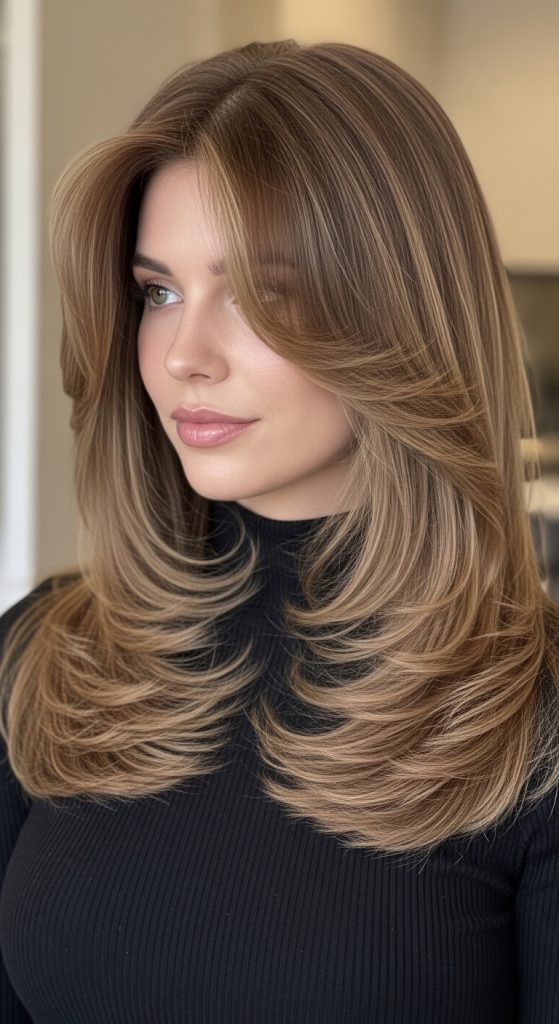
1. Long Layered Haircut (Soft Face-Framing Layers)
Explanation (What it is)
This is the most balanced and widely used long-hair haircut because it doesn’t remove length—it reshapes it. Long layered cuts are designed to reduce heaviness while adding natural movement and softness, especially around the face and ends.
In 2026, the modern version is not about sharp, dramatic layers. It’s about subtle blending that makes the hair look naturally styled even when you do nothing to it. If your long hair feels flat at the top or too bulky at the bottom, this cut fixes both issues at the same time.
How it works (what changes in your hair)
- Removes weight from lower sections
- Adds lift at the crown without teasing
- Frames the face gently instead of hiding it
- Creates movement when hair is open
This is the kind of haircut that makes people say, “Your hair looks better,” without realizing what changed.
Best For
- Straight, wavy, or slightly thick hair
- Long hair that feels heavy or shapeless
- People who want low-maintenance styling
This works best when you want your hair to look good without heat tools or daily effort.
Pro Tip
Ask for “invisible layers” or “soft blending layers.” This avoids harsh steps in the hair and keeps the finish natural instead of choppy.
Mistake to Avoid
Going for too many short layers. That creates uneven volume and forces daily styling. The goal is flow, not fragmentation.
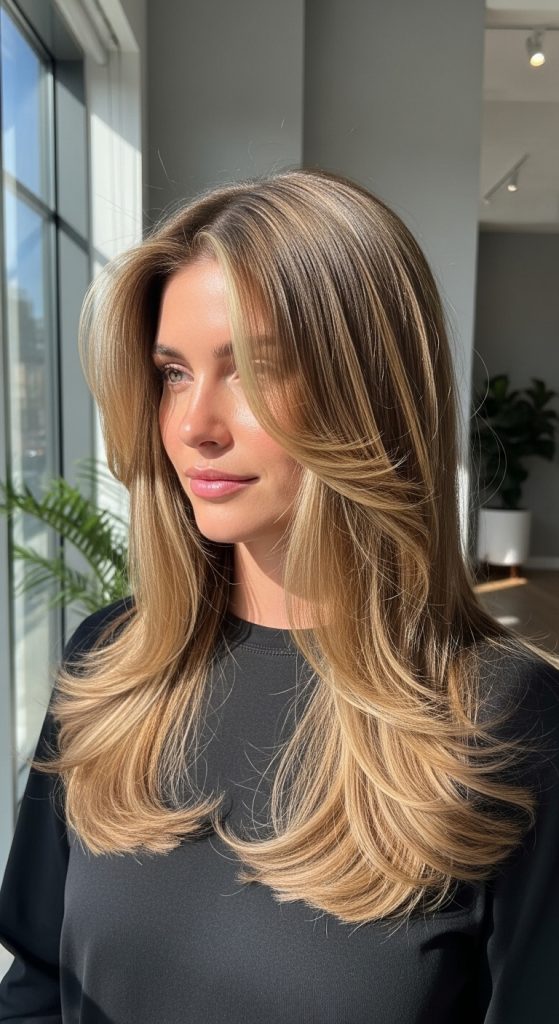
2. Face-Framing Curtain Cut (Modern Soft Lift)
Explanation (What it is)
This haircut focuses only on the front sections of the hair. Instead of changing the entire length, it adds soft, flowing strands around the face that gradually blend into the rest of the hair.
It’s one of the most powerful visual upgrades you can make without losing length. In 2026, this is extremely popular because it instantly makes long hair look more structured and intentional.
How it works (what changes in your hair)
- Opens up the face shape
- Reduces the “flat curtain” effect of long hair
- Adds softness around cheekbones and jawline
- Works even when the rest of the hair is simple
Even if the rest of your hair is tied, these front layers still improve your overall look.
How to implement (what to ask for)
- Ask your stylist to start the layers from chin or cheek level
- Ensure the strands gradually blend into the rest of the length
- Avoid sharp cuts—this must be soft and feathered
- Keep the thickness moderate (not too thin, not too heavy)
Best For
- Long straight hair that feels heavy around the face
- Round, oval, or soft face shapes
- People who tie their hair often but want a styled front look
This works best when you want effortless style without daily work.
Pro Tip
Style it by slightly curling just the front pieces outward or inward. Even minimal effort changes the entire vibe.
Mistake to Avoid
Cutting the face-framing pieces too short. If they don’t blend properly, they look disconnected and grow out awkwardly.
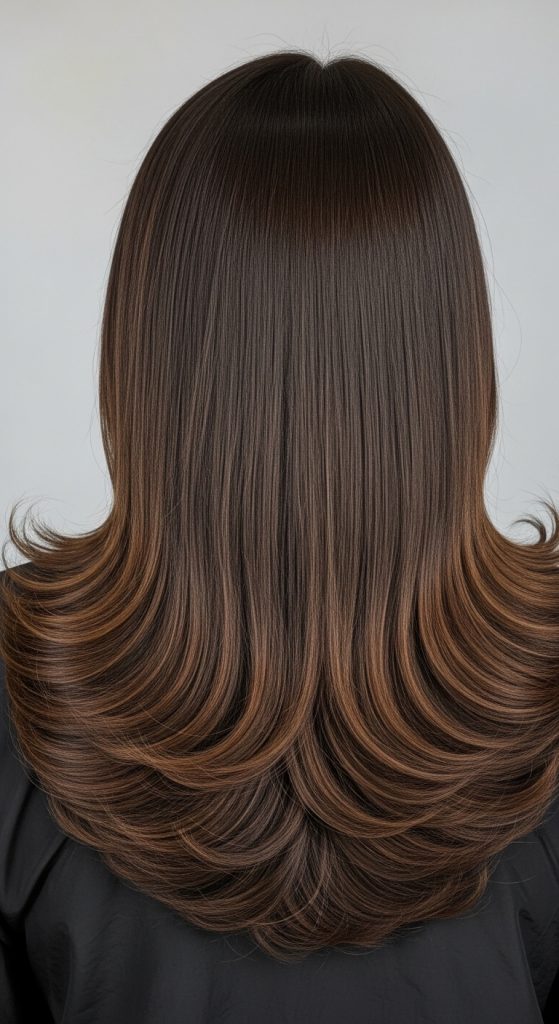
3. Long U-Cut (Natural Volume Shape)
Explanation (What it is)
The U-cut is one of the most natural-looking long haircuts. Instead of cutting hair in a straight line, the back is shaped into a soft “U” curve, making the ends look fuller and more balanced.
This is perfect for people who want length but also visible shape. In 2026, it’s especially useful because it gives long hair a healthier, thicker appearance without adding layers everywhere.
How it works (what changes in your hair)
- Creates rounded shape at the back
- Makes ends look thicker and more dense
- Removes the “flat straight line” effect
- Adds subtle structure without obvious layering
It’s a quiet upgrade—but a very effective one.
How to implement (what to ask for)
- Ask for a “soft U-shape at the back”
- Keep the curve gentle, not extreme
- Ensure the sides gradually connect into the back length
- Avoid heavy layering if you want a clean U shape
Best For
- Thick or medium-thick long hair
- Hair that looks too heavy or blocky at the ends
- People who want a natural, polished look
This works best when you want structure without obvious styling.
Pro Tip
Blow-dry the ends slightly inward after washing. It enhances the U-shape naturally without extra effort.
Mistake to Avoid
Making the U too sharp. That creates an unnatural dip and makes hair look uneven when tied.
4. Long V-Cut (Defined Length with Shape)
Explanation (What it is)
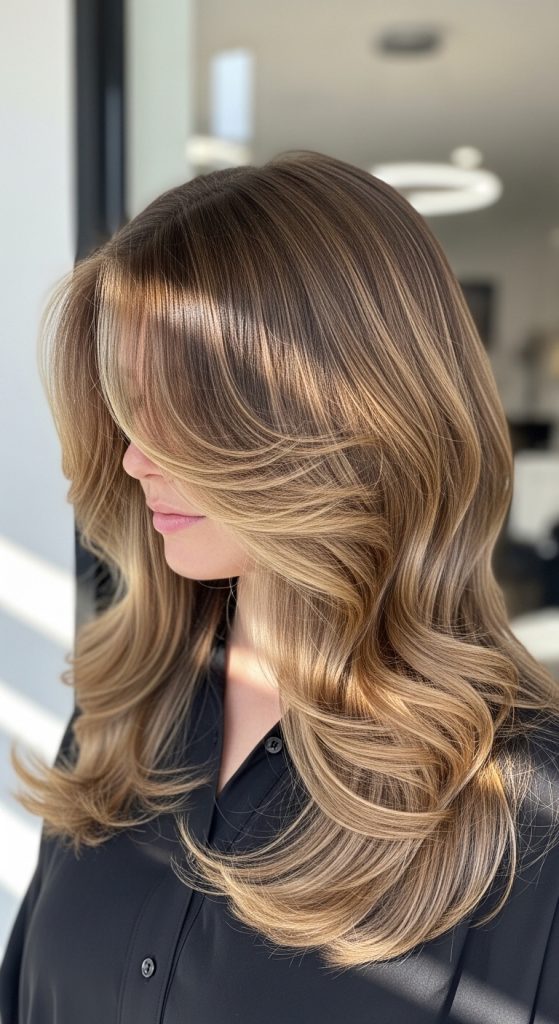
The V-cut is similar to the U-cut but more defined. Instead of a soft curve, the hair is shaped into a gentle “V” at the back, creating a more noticeable point and sharper silhouette.
This is ideal for people who want their long hair to look longer, sharper, and more structured at the same time. It adds visual length without actually changing how much hair you have.
How it works (what changes in your hair)
- Creates a pointed shape at the back
- Adds visual length illusion
- Keeps sides slightly shorter than center
- Gives a more styled, intentional finish
It looks especially good when hair is open and flowing.
How to implement (what to ask for)
- Ask for a “soft V-shaped cut at the back”
- Keep the angle gentle, not extreme
- Ensure blending on both sides to avoid harsh lines
- Avoid heavy layering unless you want extra volume
Best For
- Straight to wavy long hair
- People who wear hair open often
- Those who want a more defined, fashion-forward look
This works best when you want your hair to look styled even with zero effort.
Pro Tip
Lightly curl the ends outward in a soft wave. It enhances the V shape and adds movement.
Mistake to Avoid
Going for a very sharp V point. That looks outdated and grows out unevenly, making maintenance harder.
5. Long Butterfly Cut (Layered Volume With Movement)
Explanation (What it is)
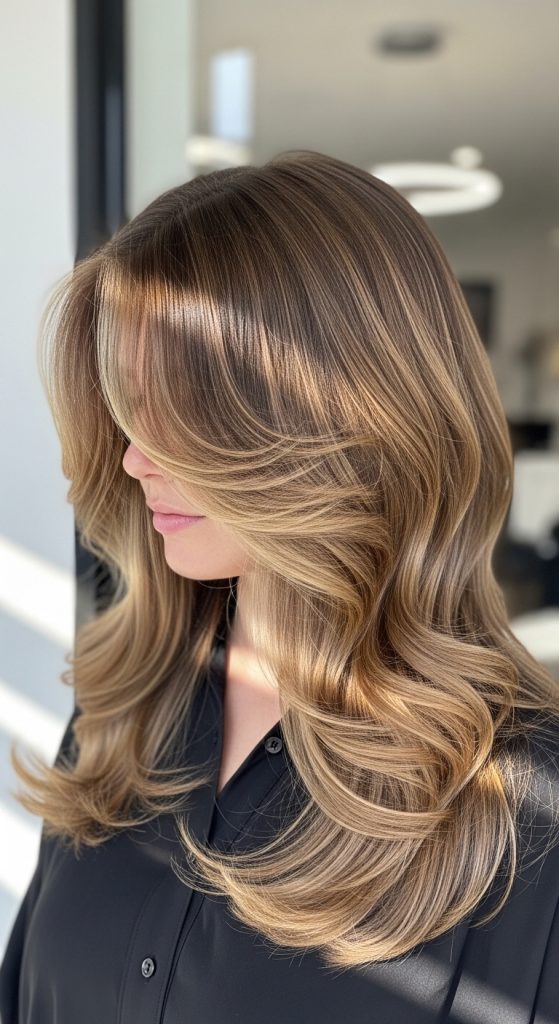
The butterfly cut is one of the most popular long-hair trends in 2026 because it solves a common problem: long hair that looks heavy but flat. This cut combines short face-framing layers with longer bottom length, creating a “floating layers” effect.
The name comes from how the layers open and move like wings when the hair is styled or even when it naturally falls. It gives long hair a salon-fresh, voluminous look without sacrificing length.
Unlike traditional heavy layering, the butterfly cut is designed to be soft, blended, and highly wearable in everyday life.
How it works (what changes in your hair)
- Short layers around the crown add instant volume
- Medium layers create movement through the mid-lengths
- Long bottom length is preserved
- Hair looks lighter without actually losing much length
This is especially powerful if your hair feels flat at the top but heavy at the ends.
How to implement (what to ask for)
- Ask for “butterfly layers with soft face framing”
- Ensure the shortest layers start around the cheek or chin
- Keep strong blending so there are no harsh steps
- Maintain long length at the bottom for balance
If you have a small room or don’t style your hair often, this cut still works because it naturally creates shape without effort.
Best For
- Thick or heavy long hair
- Hair that looks flat at the crown
- People who want volume without shortening their hair
This works best when you want a “styled look” without daily heat tools.
Pro Tip
Flip your hair upside down while drying or brushing to activate the layers. It instantly boosts volume at the crown.
Mistake to Avoid
Making the top layers too short. That creates an uneven “choppy” look and makes styling harder instead of easier.
6. Long Straight Cut With Blunt Ends (Minimalist Chic)
Explanation (What it is)
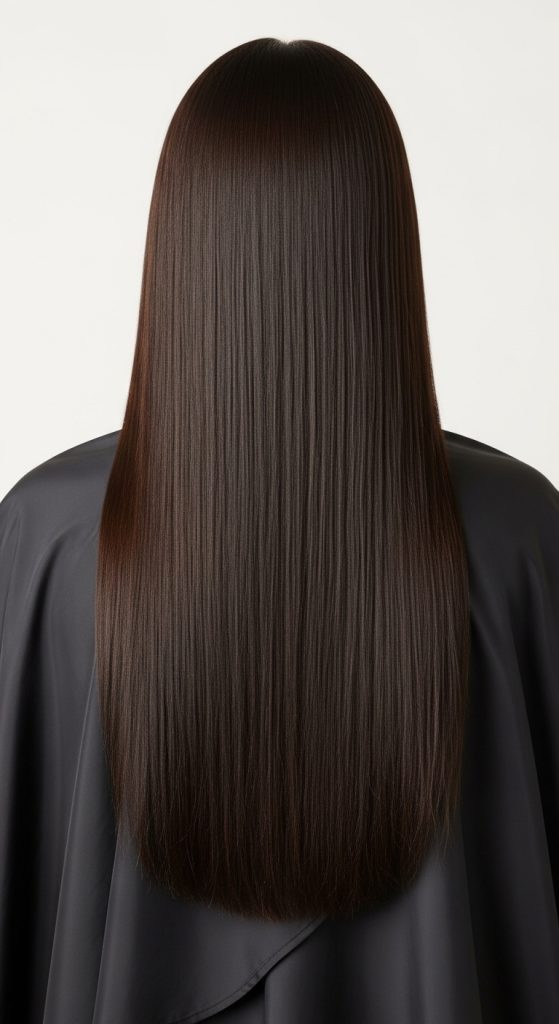
This is the cleanest and most minimal long haircut. Instead of layers or curves, the hair is cut in a straight, even line at the ends, creating a sharp and polished finish.
In 2026, this style is trending again because minimalism is replacing over-layered looks. It works especially well for people who want their hair to look healthy, thick, and controlled.
It may look simple, but when done correctly, it gives a very expensive, salon-quality appearance.
How it works (what changes in your hair)
- Ends look thicker and denser
- Hair appears healthier and fuller
- No uneven or wispy ends
- Gives a strong, structured silhouette
This is one of the best options if your hair naturally looks thin at the bottom.
How to implement (what to ask for)
- Ask for a “blunt straight cut at the ends”
- Ensure all hair is cut at the same level
- Avoid internal layering if you want a clean finish
- Keep trimming regular to maintain sharpness
This is very low-maintenance in daily life because it doesn’t require shaping or styling to look good.
Best For
- Fine or straight long hair
- People who prefer minimal styling
- Professional, clean aesthetic looks
This works best when you want simplicity and structure together.
Pro Tip
Use a straightening brush once in a while for a glass-like finish. Even without daily styling, it enhances the blunt effect.
Mistake to Avoid
Letting it grow too long without trimming. The ends become thin and lose the sharp effect, which ruins the entire look.
7. Long Layered U-Cut Combo (Balanced Soft Shape)
Explanation (What it is)
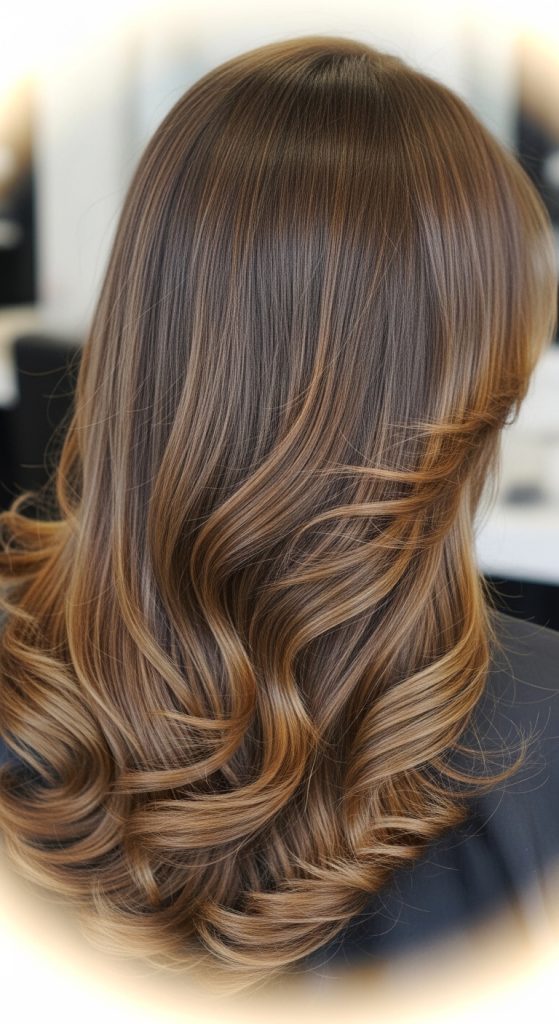
This haircut combines the softness of a U-shape with the movement of layers. It is designed for people who want structure, volume, and natural flow all at once.
Instead of choosing between layers or shape, this cut merges both in a controlled way. The back still forms a soft U, but internal layers prevent heaviness and improve movement.
In 2026, this is considered one of the most practical long haircuts because it works in almost every situation—open hair, tied hair, casual days, or events.
How it works (what changes in your hair)
- Maintains a soft U-shaped silhouette
- Adds internal layers for movement
- Reduces bulk without losing length
- Hair moves naturally instead of staying stiff
This is ideal if your hair feels “too heavy but you still want length.”
How to implement (what to ask for)
- Ask for a “soft U-cut with long blended layers”
- Ensure layers are not too short or too choppy
- Keep the U shape subtle and natural
- Focus on blending, not separation
If you have a small styling routine, this cut works because it naturally falls into shape without effort.
Best For
- Medium to thick long hair
- Hair that feels heavy but shapeless
- People who wear both open and tied hairstyles
This works best when you want balance—not extremes.
Pro Tip
Lightly curl just the bottom ends inward or outward. It enhances both the U shape and layers, giving a salon-finished look.
Mistake to Avoid
Over-layering the top section. That causes imbalance and makes hair look fluffy instead of structured.
8. Long Feather Cut (Soft, Airy Movement)
Explanation (What it is)
The feather cut is designed to remove heaviness without making the hair look thin. Instead of sharp layers or blunt ends, the hair is shaped into soft, feather-like ends that flow naturally.
In 2026, the modern feather cut is more blended and subtle than older versions. It’s focused on creating light movement and airy texture, especially in long hair that feels heavy or lifeless.
This cut works quietly—it doesn’t scream “new haircut,” but it changes how the hair behaves completely.
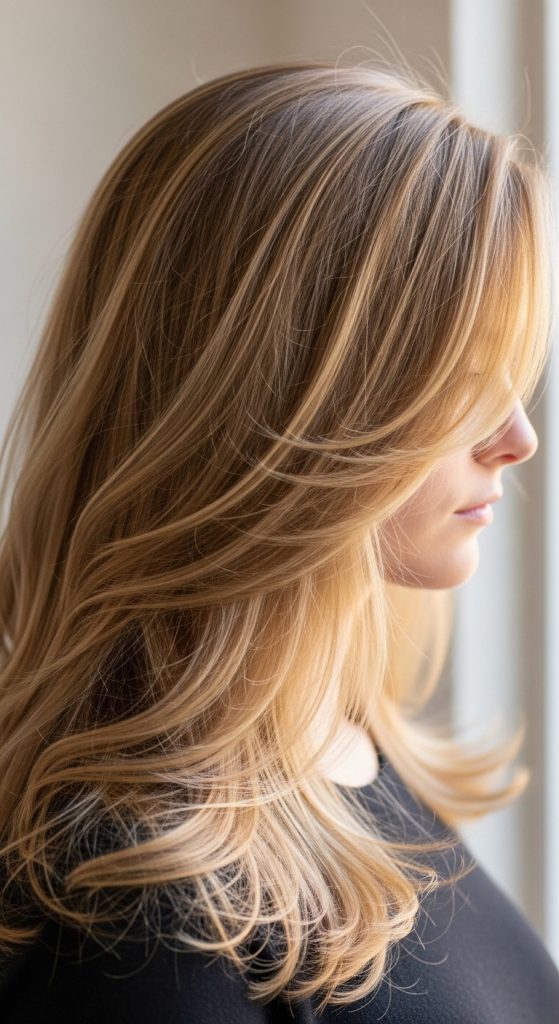
How it works (what changes in your hair)
- Ends are softly tapered instead of cut straight
- Hair feels lighter without losing much length
- Natural movement increases throughout the length
- Reduces bulky, weighed-down appearance
It is especially effective if your hair looks flat but you don’t want obvious layers.
How to implement (what to ask for)
- Ask for a “soft feather cut with blended ends”
- Ensure the tapering is gradual, not choppy
- Avoid short layers near the crown
- Focus on smooth blending throughout the length
If you have a small room or don’t use heat tools often, this cut still works because it naturally creates shape.
Best For
- Thick or dense long hair
- Hair that feels heavy and stiff
- People who prefer soft, natural looks
This works best when you want movement without dramatic layering.
Pro Tip
Air-dry your hair and gently twist sections while drying. It enhances the feathered effect naturally.
Mistake to Avoid
Over-thinning the ends. That makes hair look wispy and unhealthy instead of soft and full.
9. Long Shag Cut (Modern Soft Edge Volume)
Explanation (What it is)
The shag cut is a more structured, edgy version of layered hair—but in 2026, it has become softer and more wearable. It combines choppy layers, crown volume, and textured ends to create a naturally styled look.
Unlike old shag cuts that looked messy, the modern version is controlled and blended. It’s designed for people who want volume without styling effort.
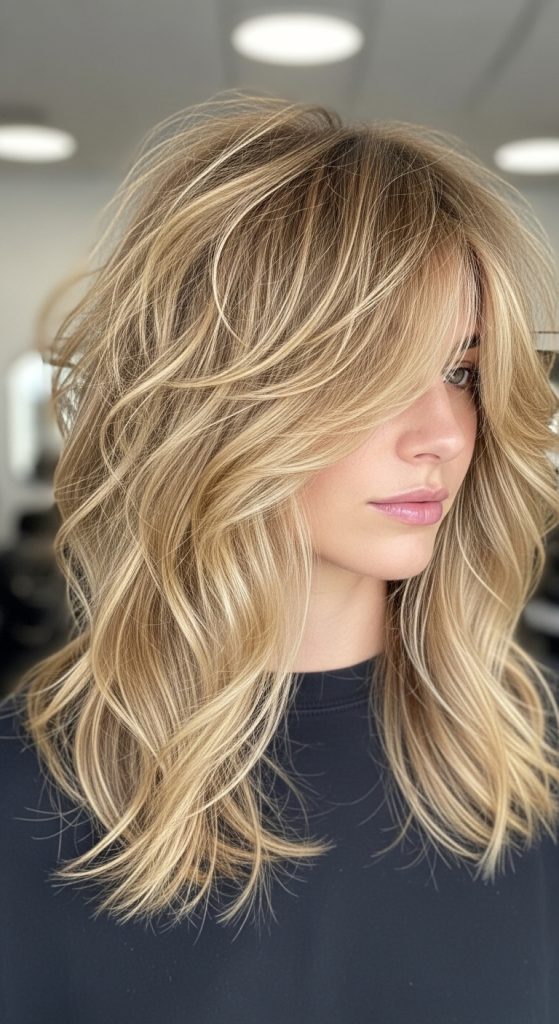
How it works (what changes in your hair)
- Crown layers add instant lift
- Mid-length texture prevents flatness
- Ends stay light and slightly undone
- Hair looks styled even when not brushed perfectly
This is one of the few cuts that actually looks better when slightly imperfect.
How to implement (what to ask for)
- Ask for a “soft modern shag with long layers”
- Ensure crown layers are light, not extreme
- Keep face-framing pieces soft and blended
- Avoid overly short choppy sections
This cut naturally creates shape, so daily styling is minimal.
Best For
- Wavy or slightly textured hair
- Hair lacking volume at the crown
- People who prefer effortless, messy-chic looks
This works best when you want volume without daily effort.
Pro Tip
Use a sea-salt spray or light mousse on damp hair and scrunch gently. It activates the shag texture instantly.
Mistake to Avoid
Making the layers too aggressive. That turns the look messy instead of stylish.
10. Long V-Shaped Layer Blend (Defined Yet Soft)
Explanation (What it is)
This is a refined version of the classic V-cut, but enhanced with soft internal layers. It creates a sharp silhouette from the back while still keeping movement inside the hair.
In 2026, this style is popular because it gives long hair a more fashion-forward shape without making it look heavy or flat.
It is ideal for people who want their hair to look long, structured, and polished at the same time.
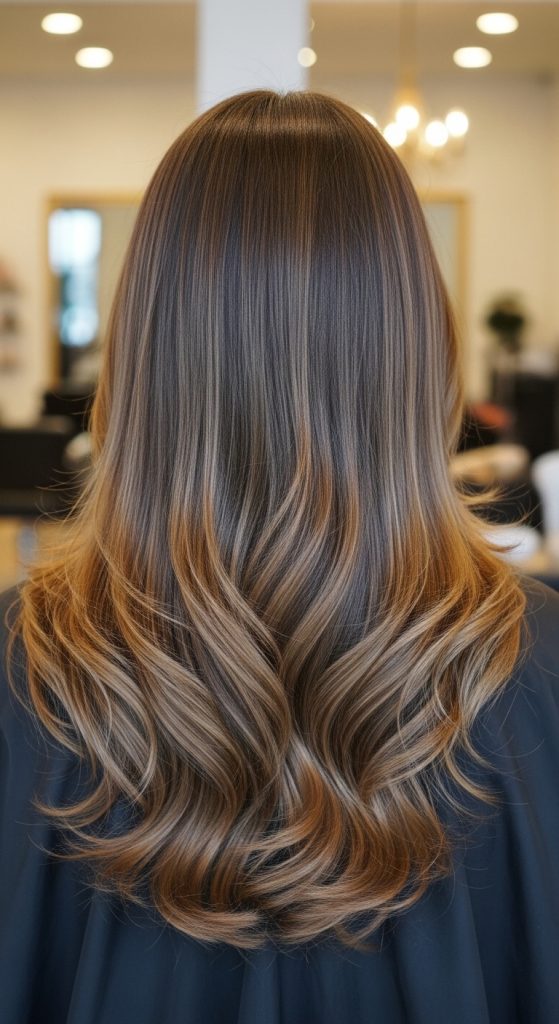
How it works (what changes in your hair)
- Back forms a clean V silhouette
- Internal layers reduce weight
- Hair flows downward with shape
- Ends look sharper but still soft
This creates a strong visual effect when hair is open.
How to implement (what to ask for)
- Ask for a “soft V-shaped layered cut”
- Keep the V angle moderate, not sharp
- Add internal long layers for movement
- Ensure blending on both sides
If you have a small routine, this cut still looks good without styling.
Best For
- Straight to wavy long hair
- People who wear hair open often
- Those who want a defined but natural look
This works best when you want structure without stiffness.
Pro Tip
Add soft waves to the ends occasionally. It enhances the V shape and gives a salon finish.
Mistake to Avoid
Making the V too pointed. That creates an unnatural shape and looks outdated quickly.
11. Long Soft U-Cut With Invisible Layers (Final Balanced Look)
Explanation (What it is)
This is the most balanced long haircut in the entire list. It combines a soft U-shaped base with invisible internal layers that improve movement without changing the visible structure.
In 2026, this is considered the “safe luxury cut”—it looks polished, grows out well, and requires almost no maintenance.
It is perfect for people who want long hair that always looks good, even on bad hair days.
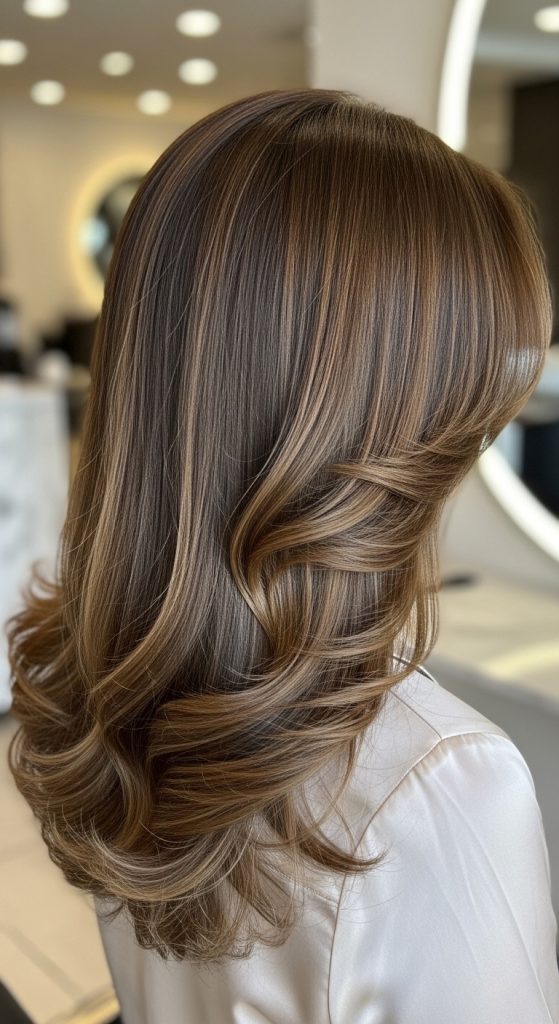
How it works (what changes in your hair)
- U-shaped outline keeps natural fullness
- Invisible layers reduce heaviness inside
- Hair moves naturally without looking choppy
- Maintains length while improving shape
This is the definition of effortless long hair.
How to implement (what to ask for)
- Ask for a “soft U-cut with invisible long layers”
- Ensure layers are not visible when hair is open
- Keep the U shape very subtle and natural
- Focus on blending instead of structure lines
This cut works even if you rarely style your hair.
Best For
- All hair types, especially long thick hair
- People who want zero-maintenance styling
- Busy routines with minimal hair time
This works best when you want your hair to always look “done” without effort.
Pro Tip
Trim only the ends every 8–10 weeks to maintain shape. No heavy styling needed.
Mistake to Avoid
Turning invisible layers into visible steps. That ruins the natural flow and makes the haircut look outdated.
Final Reality Check
If you understand these 11 cuts properly, you’ll notice a pattern:
Good long hair in 2026 is not about complexity. It’s about:
- Smart shaping
- Controlled layers
- Low-maintenance structure
- Natural movement
Most people fail because they chase trends instead of choosing what actually works for their daily life.
Pick one cut that fits your routine—and stick with it long enough to see real results.