
Creating a structured and fun morning routine for kids can transform chaotic mornings into smooth, stress-free starts to the day. Many parents struggle to get their children ready on time, and traditional methods like verbal reminders or lists often don’t engage kids enough. This is where kids flip charts become a game-changer. These interactive charts visually guide children through their morning tasks, making routines clear, predictable, and enjoyable.
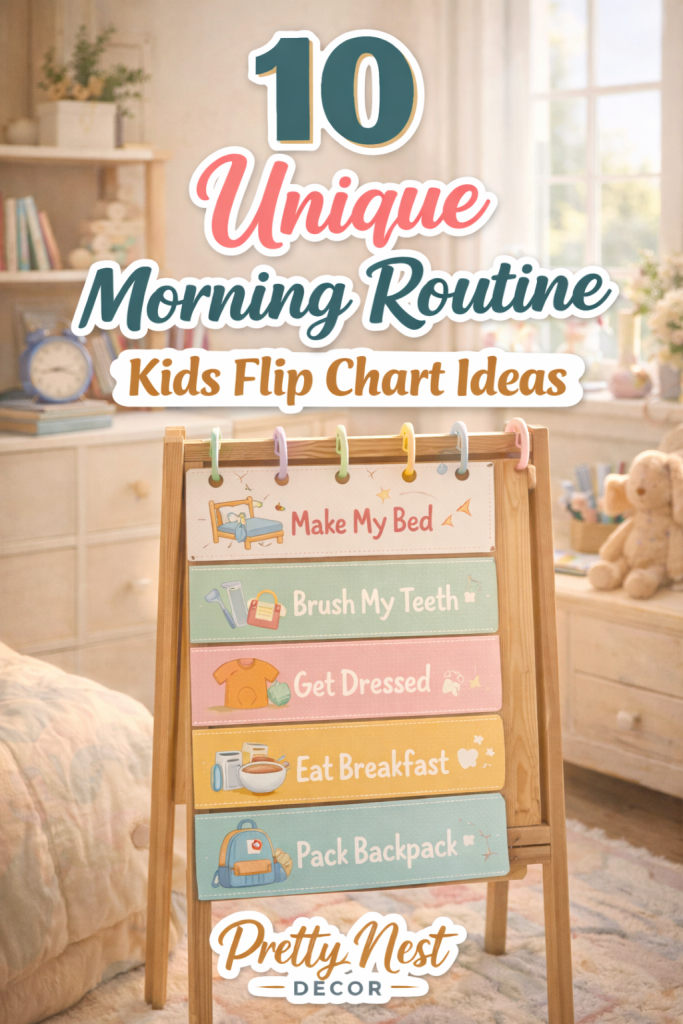
A kids flip chart is essentially a set of cards or panels, often color-coded and illustrated with pictures, that represent each step in a child’s morning routine. These steps may include brushing teeth, washing the face, getting dressed, making the bed, packing a backpack, or having breakfast. By breaking down the morning into simple, manageable tasks, flip charts teach kids responsibility and independence while reducing parental stress.
Flip charts are highly versatile and can be customized according to your child’s age, abilities, and household needs. Younger children benefit from charts with bright colors, simple illustrations, and minimal text, while older children can handle charts with more complex instructions or time indicators. The hands-on, interactive nature of flipping cards or turning panels helps children develop a sense of accomplishment as they complete each task.
Beyond structure, flip charts also introduce a playful element to morning routines. Children often respond better to visual cues and interactive elements than to verbal instructions alone. Charts can incorporate stickers, magnets, Velcro, or laminated cards, allowing kids to physically manipulate and mark off each completed step. This tangible interaction creates motivation, reinforces learning, and fosters consistency.
Creating a kids flip chart also encourages creativity in both parents and children. Parents can involve children in designing charts, choosing colors, illustrations, or even naming tasks. This involvement increases engagement and gives children a sense of ownership over their routines. Over time, children internalize these routines, building habits that support time management, independence, and confidence.
From a practical standpoint, flip charts are perfect for households with multiple children. You can create individualized charts tailored to each child’s schedule, ensuring clarity and fairness in morning expectations. Charts also serve as visual reminders for kids who are still developing reading skills or struggle with attention, reducing the need for repeated instructions and verbal prompts.
Another benefit of kids flip charts is their adaptability. They can be wall-mounted, placed on doors, or set on a desk, depending on available space. They can be designed to grow with the child, updating routines as they age, start school, or develop new responsibilities. Parents can incorporate creative elements such as reward systems, countdown timers, or themed charts aligned with a child’s favorite characters, further boosting engagement.
This guide will explore 10 unique morning routine kids flip chart ideas that combine creativity, functionality, and child-friendly design. Each idea includes a step-by-step explanation, materials list, and practical tips for implementation. From simple DIY designs to more elaborate interactive charts, these ideas are perfect for parents, teachers, or caregivers seeking to make mornings easier, enjoyable, and productive.
By the end of this guide, you will have a variety of flip chart concepts that not only help children complete their morning tasks but also teach them valuable life skills. These charts promote independence, foster responsibility, and encourage kids to start their day with confidence and positivity.
Whether you are aiming for a minimalist design, colorful and playful aesthetics, or highly interactive charts, these ideas provide inspiration and practical guidance. They are perfect for creating Pinterest-worthy visuals for your home or classroom, combining functionality with creativity.
With attention to detail, thoughtful organization, and a touch of imagination, kids flip charts can transform morning routines into an engaging and empowering experience. These tools help children develop habits that last a lifetime while giving parents a practical solution to the often hectic start-of-day challenges.
Flip charts also teach time management and sequencing skills. By following visual cues and completing steps in order, children gain a better understanding of routines, deadlines, and efficiency. This structured approach is invaluable for preparing them for school schedules and other responsibilities.
In summary, morning routine kids flip charts are more than just decorative tools—they are educational, motivational, and practical. With the right design, materials, and engagement strategies, flip charts make mornings organized, fun, and stress-free. The following sections will introduce 10 unique and creative ideas to inspire your next flip chart project, helping children start their day on the right foot.
Idea 1: Visual Step-by-Step Flip Chart for Daily Hygiene
Introduction
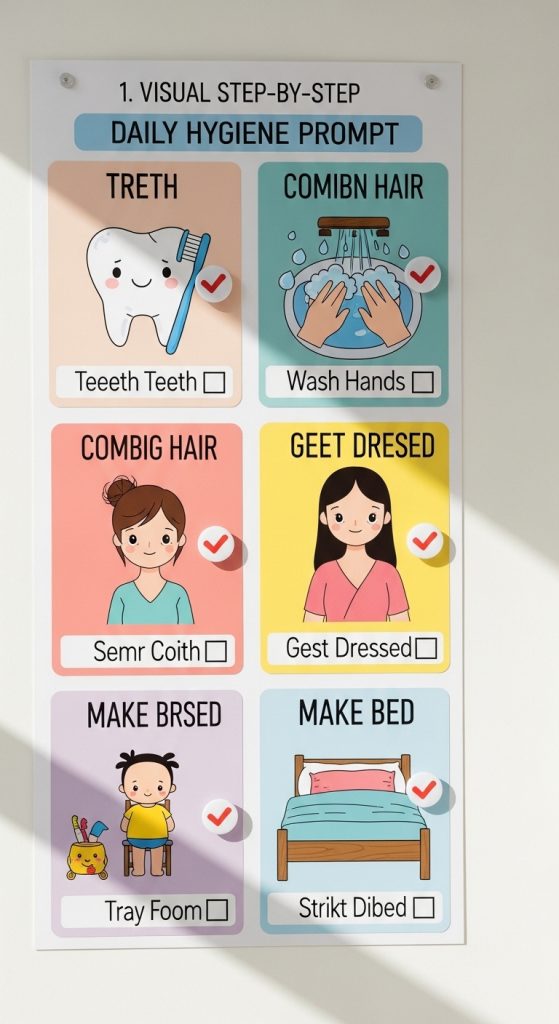
One of the most effective flip charts for children focuses on daily hygiene routines. Many kids struggle with remembering all the essential steps, from brushing teeth to washing hands and faces. A visual, step-by-step flip chart allows children to follow each step independently while reinforcing good habits. Bright colors, fun illustrations, and interactive elements help make these daily tasks engaging rather than a chore.
By turning hygiene routines into a visual and interactive experience, children develop independence, confidence, and accountability. Instead of relying on verbal reminders, they can reference the chart themselves. Incorporating elements like checkboxes or stickers can provide motivation and create a sense of accomplishment. Over time, these visual cues help children internalize routines, making hygiene a natural part of their day.
This type of flip chart works for children aged 3 to 8, especially those in preschool or early elementary school. It can be adapted for older kids by adding more steps or time management elements.
Definition / Explanation
A visual step-by-step hygiene flip chart is an interactive tool that uses images and illustrations to guide children through their morning hygiene routines, including tasks such as brushing teeth, washing hands, combing hair, and getting dressed.
Step-by-Step How-To
- Identify key hygiene tasks for your child’s morning routine.
- Create illustrated cards for each task.
- Arrange the cards in chronological order.
- Add Velcro, magnets, or slots for children to move or flip the cards as they complete each task.
- Include small stickers or checkmarks to mark completed tasks.
- Mount the flip chart on a wall at child height for easy access.
- Encourage your child to follow the chart daily until routines become habitual.
Materials Needed
- Cardstock or thick paper
- Markers or printed illustrations
- Velcro dots or magnets
- Laminating sheets (optional for durability)
- Stickers for task completion
Idea 2: Color-Coded Flip Chart for Time Management
Introduction
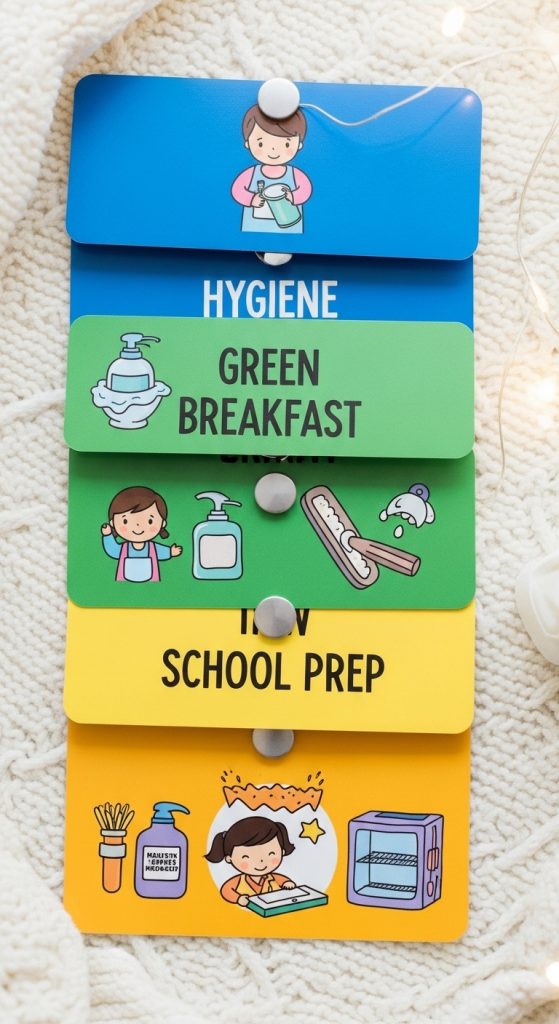
Time management can be challenging for children who are still learning to follow schedules. A color-coded flip chart provides a visual guide to morning tasks, allowing children to understand and prioritize activities. Each color represents a different type of activity, such as personal care, breakfast, or school preparation.
Using color-coding simplifies routines and makes transitions between tasks smoother. Children can quickly identify which tasks are next, reducing confusion and parental intervention. Combining colors with illustrations adds clarity for children who are not yet strong readers. This approach also helps children understand the concept of time allocation, which builds a foundation for lifelong organizational skills.
Parents can incorporate timers, countdowns, or sticker incentives to further reinforce time awareness. This flip chart is ideal for kids aged 4 to 10, providing a structured, visually engaging method to tackle morning routines efficiently.
Definition / Explanation
A color-coded flip chart uses distinct colors to categorize and sequence morning tasks, providing children with visual cues for time management and task prioritization.
Step-by-Step How-To
- Identify all tasks for the morning routine.
- Assign a color to each category of task (e.g., blue for hygiene, green for breakfast).
- Create illustrated cards or panels for each task with the corresponding color.
- Arrange tasks in chronological order on a flip chart or magnetic board.
- Add checkboxes, stickers, or Velcro for tracking task completion.
- Encourage children to flip or mark off each task as they finish it.
- Optional: Incorporate a small timer or countdown next to each color-coded section to track duration.
Materials Needed
- Colored cardstock or markers
- Laminating sheets (optional)
- Velcro or magnets
- Stickers or checkmarks
- Timer (optional)
Idea 3: Themed Character Flip Chart
Introduction
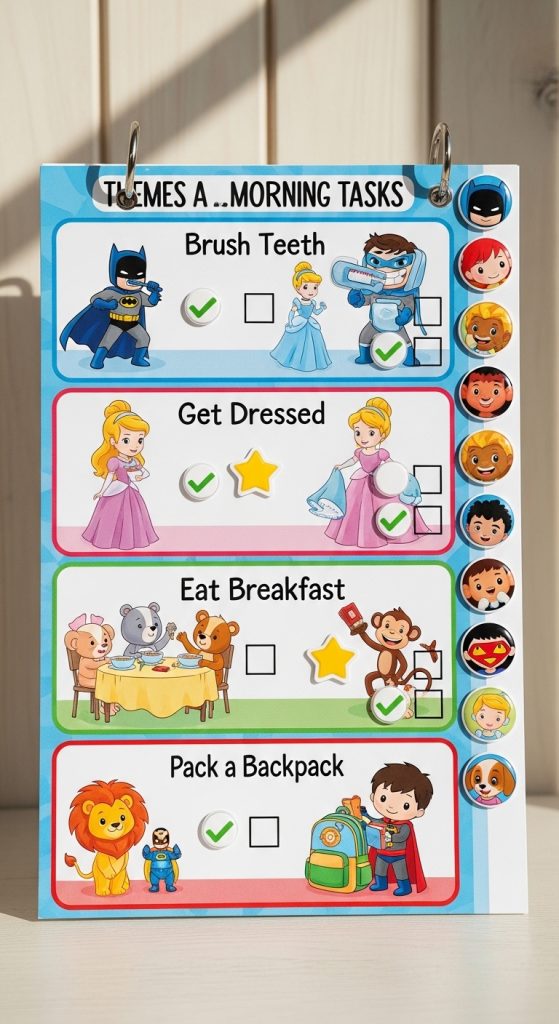
Many children are motivated by their favorite characters from books, shows, or movies. A themed character flip chart uses these familiar figures to guide children through their morning routines. For example, superheroes might remind children to brush teeth, while princesses could encourage getting dressed.
This approach turns mundane tasks into playful interactions, increasing engagement and compliance. Children are more likely to follow routines when the flip chart features beloved characters or mascots. Parents can customize the chart according to the child’s interests, making it highly personal and interactive. This method also helps younger children associate positive emotions with completing tasks.
By blending education, entertainment, and routine, a themed flip chart not only reinforces good habits but also creates excitement about mornings. Children aged 3–7 often respond best to this type of design.
Definition / Explanation
A themed character flip chart incorporates familiar fictional characters to guide children through their morning tasks, enhancing motivation and engagement through playful visual cues.
Step-by-Step How-To
- Select characters your child loves.
- Assign each character to a specific task.
- Create illustrated cards with the character performing the task.
- Arrange the cards in chronological order on a flip chart.
- Add interactive elements such as stickers, Velcro, or magnetic attachments for flipping.
- Encourage your child to “follow the character” as they complete each task.
- Update or change characters periodically to maintain engagement.
Materials Needed
- Cardstock or thick paper
- Printed illustrations or stickers of characters
- Velcro, magnets, or laminated pockets
- Stickers for marking completed tasks
- Laminating sheets (optional)
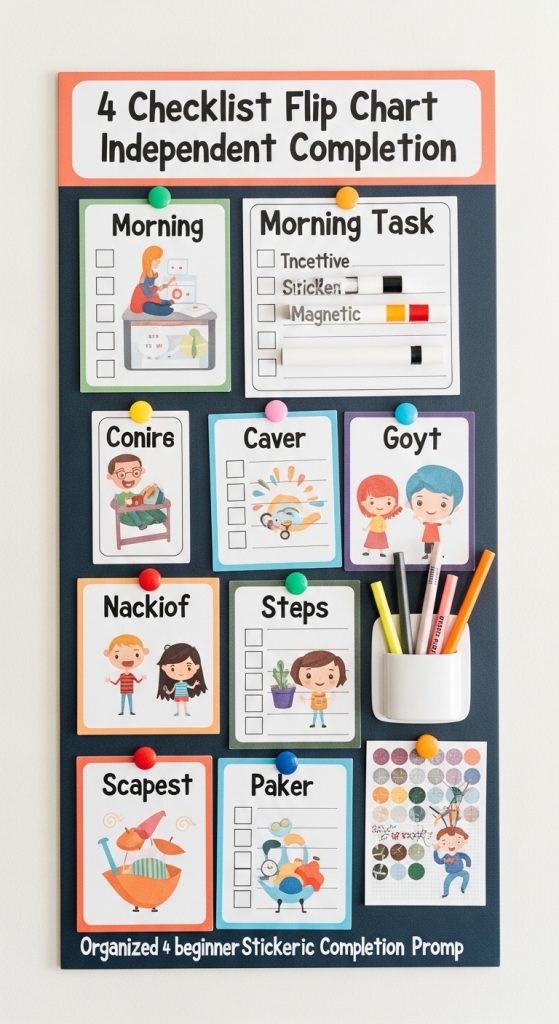
Idea 4: Checklist Style Flip Chart for Independent Completion
Introduction
A checklist-style flip chart is ideal for children learning to complete tasks independently. Instead of relying on parents’ verbal reminders, children can see a clear sequence of tasks with checkboxes or tick marks. This design fosters responsibility, accountability, and confidence in managing their own morning routine.
Children can mark off completed tasks with stickers or small magnets. The visual checklist ensures nothing is missed and allows parents to step back, giving children autonomy. Over time, children develop a sense of accomplishment and take ownership of their routine. This method works well for school-aged children who benefit from structure and visual reinforcement.
The checklist approach is also flexible and scalable. Parents can add or remove tasks as routines evolve, such as adding homework reminders or packing lunches for school.
Definition / Explanation
A checklist-style flip chart is a sequential list of morning tasks where children mark off completed items independently, promoting accountability and confidence in daily routines.
Step-by-Step How-To
- List all tasks in the child’s morning routine.
- Design cards or panels with each task and a checkbox.
- Arrange the cards vertically or horizontally on a board or flip chart.
- Provide stickers, magnets, or Velcro markers for completion.
- Encourage the child to mark each task when done.
- Review the completed chart daily to reinforce routine adherence.
- Adjust tasks or add seasonal activities as needed.
Materials Needed
- Cardstock or printed panels
- Laminating sheets (optional)
- Stickers, magnets, or Velcro dots
- Markers for task descriptions
- Board or flip chart stand
Idea 5: Reward-Based Flip Chart with Sticker Incentives
Introduction
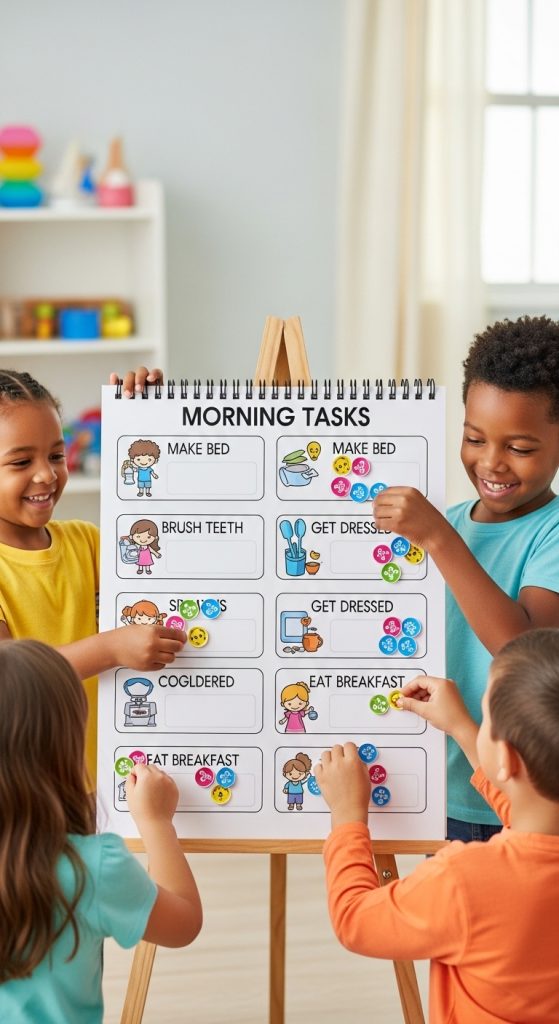
Reward-based flip charts motivate children to complete their morning routines by incorporating a visual incentive system. Children earn stickers, points, or tokens for completing each task, encouraging consistent adherence to the routine. This method transforms routines from a repetitive chore into an interactive and rewarding game.
Rewards can be as simple as stickers on the chart or a small weekly prize after earning a set number of points. The positive reinforcement encourages children to take responsibility for their actions while fostering independence. Reward-based charts also help build long-term habits by associating task completion with positive outcomes.
This type of flip chart is highly effective for children aged 3–8 and works well in homes or classrooms. It combines visual learning, hands-on interaction, and motivation strategies to create a successful morning routine system.
Definition / Explanation
A reward-based flip chart incorporates an incentive system to motivate children to complete morning tasks, using stickers, points, or tokens as reinforcement.
Step-by-Step How-To
- Identify tasks for the morning routine.
- Create illustrated or labeled cards for each task.
- Design a sticker or point section on the chart for task completion.
- Arrange tasks in chronological order.
- Encourage children to place a sticker or token when a task is done.
- Set up weekly rewards for achieving a specific number of stickers or points.
- Adjust difficulty or rewards as children progress in independence.
Materials Needed
- Cardstock or laminated panels
- Velcro, magnets, or slots for interactive elements
- Stickers or small tokens
- Markers for task labeling
- Optional reward items (small toys, treats, or privileges)
Idea 6: Magnetic Flip Chart for Interactive Play
Introduction
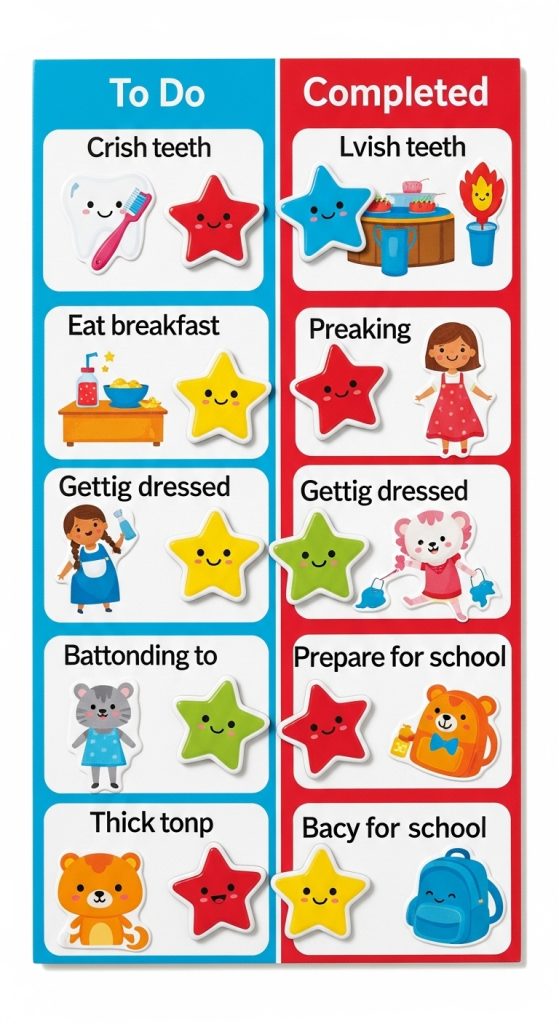
Magnetic flip charts are an engaging way for children to interact with their morning routines. By using magnets, children can physically move task pieces from a “To Do” column to a “Completed” column, making the process more playful and hands-on. This interactive approach keeps children focused, encourages independence, and adds a tactile element to learning.
Magnetic flip charts can be mounted on refrigerators, metal boards, or custom magnetic surfaces. They are durable and reusable, making them ideal for families with multiple children or long-term use. Visual illustrations on magnetic cards further enhance comprehension, especially for younger children who may not yet read fluently.
The magnetic system encourages accountability and builds a sense of accomplishment as children complete each step. This method is particularly effective for preschool and early elementary kids, turning morning routines into an interactive game. Parents can update magnets or rotate tasks as routines evolve, ensuring flexibility.
Definition / Explanation
A magnetic flip chart is an interactive tool where children move magnetic cards representing morning tasks from “To Do” to “Completed,” reinforcing independence, accountability, and hands-on learning.
Step-by-Step How-To
- Select a magnetic board or metal surface for mounting.
- Create magnetic cards for each morning task with illustrations and labels.
- Arrange tasks in a “To Do” column.
- Set up a “Completed” column for finished tasks.
- Encourage children to move cards as they complete each step.
- Optional: Use small stickers or magnets as rewards for completing tasks.
- Update the task cards or illustrations periodically to maintain interest.
Materials Needed
- Magnetic board or metal surface
- Magnetic sheets or magnets for task cards
- Laminating sheets (optional)
- Stickers or small token rewards
- Markers or printed illustrations
Idea 7: Dry-Erase Flip Chart for Customizable Routines
Introduction
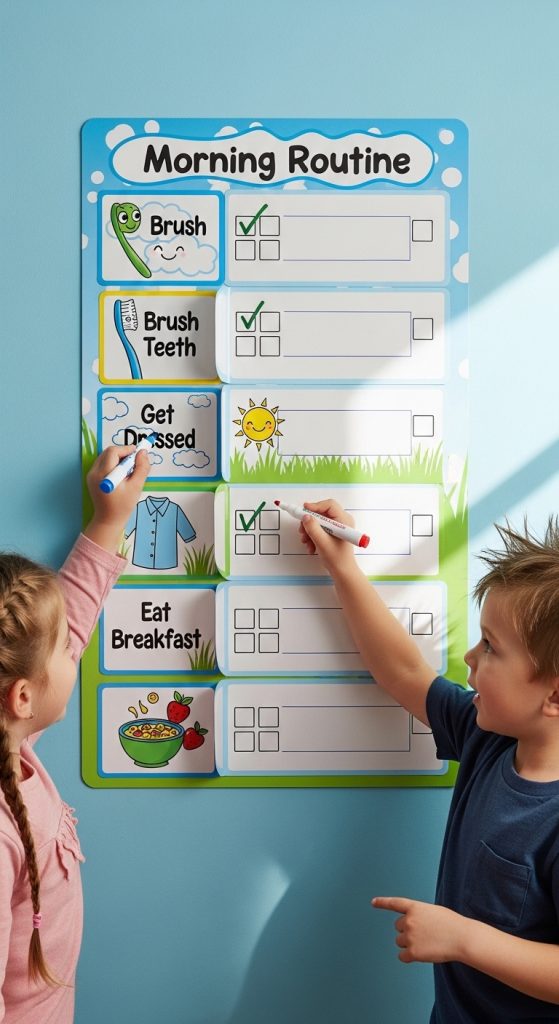
Dry-erase flip charts offer flexibility and customization, allowing parents to easily change morning routines or add seasonal tasks. These charts are perfect for households with multiple children, as tasks can be personalized, erased, or updated without creating new materials.
Dry-erase charts are interactive and reusable, enabling children to check off completed tasks with dry-erase markers or use magnets for added engagement. The ability to modify routines encourages adaptability and reinforces responsibility, as children can see and manage their tasks each day. Colorful illustrations and borders enhance visual appeal, keeping children engaged.
This approach works well for children aged 4–10, especially those who enjoy drawing or marking off tasks themselves. It also allows for adding notes or reminders for parents, such as special school events or morning appointments, seamlessly integrated into the chart.
Definition / Explanation
A dry-erase flip chart is a reusable, customizable tool where children can mark off tasks with dry-erase markers, allowing for flexible and visually engaging morning routines.
Step-by-Step How-To
- Choose a dry-erase board or laminated surface.
- Create a task layout with sections for each morning routine activity.
- Use colorful markers or printed illustrations to make the chart visually appealing.
- Provide dry-erase markers for children to check off tasks.
- Optionally, add magnets, Velcro, or stickers for interactive fun.
- Update or rearrange tasks as needed.
- Encourage children to follow the chart daily until routines become habitual.
Materials Needed
- Dry-erase board or laminated chart
- Dry-erase markers
- Magnets, Velcro, or stickers (optional)
- Colorful illustrations
- Eraser or cloth for cleaning
Idea 8: Reward Ladder Flip Chart for Progressive Motivation
Introduction
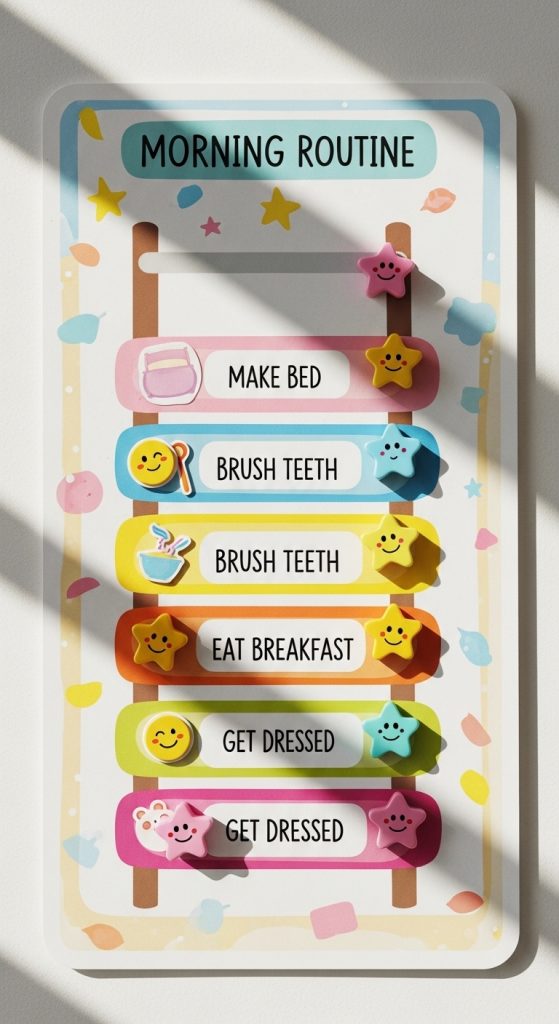
A reward ladder flip chart motivates children by showing visible progress toward a bigger goal. Each completed task moves a marker up a ladder, allowing children to see how close they are to earning a reward. This method promotes perseverance, accountability, and excitement, turning routine completion into a motivating challenge.
Reward ladder charts are particularly effective for children who need extra encouragement to stick to routines. Parents can define achievable goals, such as earning a sticker, small toy, or special activity after completing all steps for a week. Visual progress keeps children engaged and reinforces consistent behavior.
This system works for children aged 4–10, teaching them patience, goal-setting, and the connection between effort and reward. It combines structure with gamification, making morning routines enjoyable, educational, and interactive.
Definition / Explanation
A reward ladder flip chart visually tracks progress through morning tasks, allowing children to move markers upward as they complete tasks, ultimately earning rewards for consistent achievement.
Step-by-Step How-To
- Design a chart with a ladder or step layout for each day of the week.
- Assign morning tasks to each rung of the ladder.
- Provide markers, stickers, or magnets for completed tasks.
- Encourage children to move the marker up the ladder as they finish tasks.
- Offer weekly rewards when the top of the ladder is reached.
- Adjust goals and rewards as children grow or routines change.
- Keep the chart visible in a high-traffic area for daily motivation.
Materials Needed
- Cardstock, laminated sheets, or dry-erase board
- Markers, stickers, or magnets
- Visual ladder design with labeled tasks
- Optional rewards for motivation
Idea 9: Morning Routine Flip Chart with Interactive Pockets
Introduction
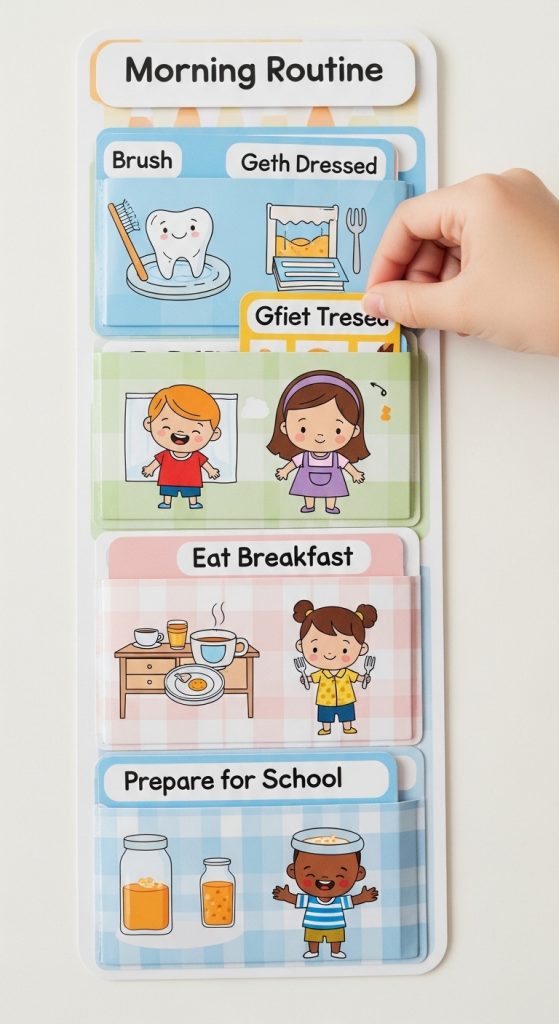
Interactive pocket flip charts use small pouches or envelopes to hold illustrated task cards. Children pull out cards from pockets as they complete each activity, turning the morning routine into a hands-on and engaging experience. This method adds tactile interaction, improves memory, and enhances responsibility.
Pocket flip charts allow children to handle their tasks physically, providing both visual and sensory learning cues. Each pocket can represent a specific time slot or task type, making routines highly organized. Parents can rotate cards or update tasks easily, keeping the chart fresh and engaging.
This approach works for children aged 3–8, particularly those who enjoy manipulating objects and need extra support for routine adherence. It also encourages sequential thinking and independence, helping children develop skills beyond just morning routines.
Definition / Explanation
A pocket flip chart contains small pouches or envelopes holding task cards, allowing children to remove or flip cards as they complete tasks, providing an interactive and tactile learning experience.
Step-by-Step How-To
- Select a sturdy board or laminated base for mounting pockets.
- Create small pockets or envelopes for each morning task.
- Design illustrated cards representing each task.
- Place the cards in their corresponding pockets.
- Encourage children to remove a card and complete the task before returning it to the pocket or a “Completed” section.
- Rotate cards or update tasks periodically to maintain engagement.
- Reinforce completion with stickers, stars, or points.
Materials Needed
- Board or laminated surface
- Envelopes, small pouches, or laminated pockets
- Illustrated task cards
- Stickers, magnets, or Velcro for tracking
- Markers for labeling
Idea 10: Themed Countdown Flip Chart for Excited Mornings
Introduction
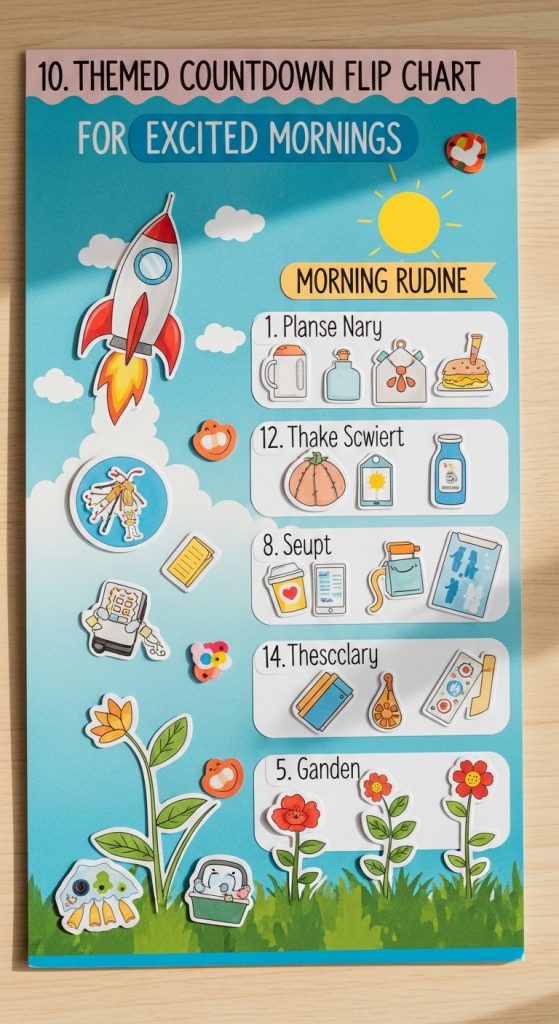
A themed countdown flip chart incorporates a playful or seasonal theme with a countdown system, creating anticipation for completing morning routines. For example, a “rocket launch” chart might advance a spaceship as children complete each task, or a “garden growth” theme could show plants sprouting with each step completed.
This gamified approach turns routines into a visual story, motivating children to follow steps and complete their morning tasks. It also reinforces sequencing, time awareness, and responsibility. Children aged 4–10 respond well to storytelling combined with tasks, as it creates a sense of excitement and engagement.
Parents can customize the theme according to seasonal events, holidays, or favorite characters, keeping the routine dynamic and visually appealing. A countdown flip chart also encourages children to complete tasks independently while providing a sense of accomplishment as they reach the “goal” at the end of the chart.
Definition / Explanation
A themed countdown flip chart integrates a visual story or theme into morning routines, allowing children to track progress as part of an interactive narrative while completing tasks.
Step-by-Step How-To
- Select a theme (space, garden, animals, or seasonal).
- Create illustrated panels showing the theme progression.
- Assign morning tasks to each step or panel.
- Encourage children to flip panels or move markers as tasks are completed.
- Include stickers, stars, or small rewards for completing each step.
- Update or rotate themes to maintain engagement.
- Display the chart at child height for easy access and interaction.
Materials Needed
- Cardstock or laminated panels
- Printed or hand-drawn thematic illustrations
- Velcro, magnets, or slots for interaction
- Stickers, stars, or token rewards
- Markers for labeling