
Guest rooms are often the unsung heroes of a home. While kitchens, living rooms, and master bedrooms receive the most design attention, guest rooms deserve intentional, cozy, and functional design—especially in small spaces. A well-styled guest room is more than just a place to sleep; it is a sanctuary for visitors, a reflection of your home’s personality, and a space that balances comfort with practicality. In modern small-home living, optimizing every square foot is essential, and a thoughtfully decorated guest room can make even the tiniest space feel welcoming, stylish, and Pinterest-ready.
Designing a small guest room comes with unique challenges. Limited square footage can create a sense of cramped or cluttered space if not handled correctly. Furniture placement must maximize usability without sacrificing aesthetic appeal. Storage solutions need to be both functional and attractive. Lighting must balance brightness for usability with warmth for comfort. And every decorative element should feel intentional rather than chaotic. Achieving this balance is an art—but it’s entirely possible with the right strategies.
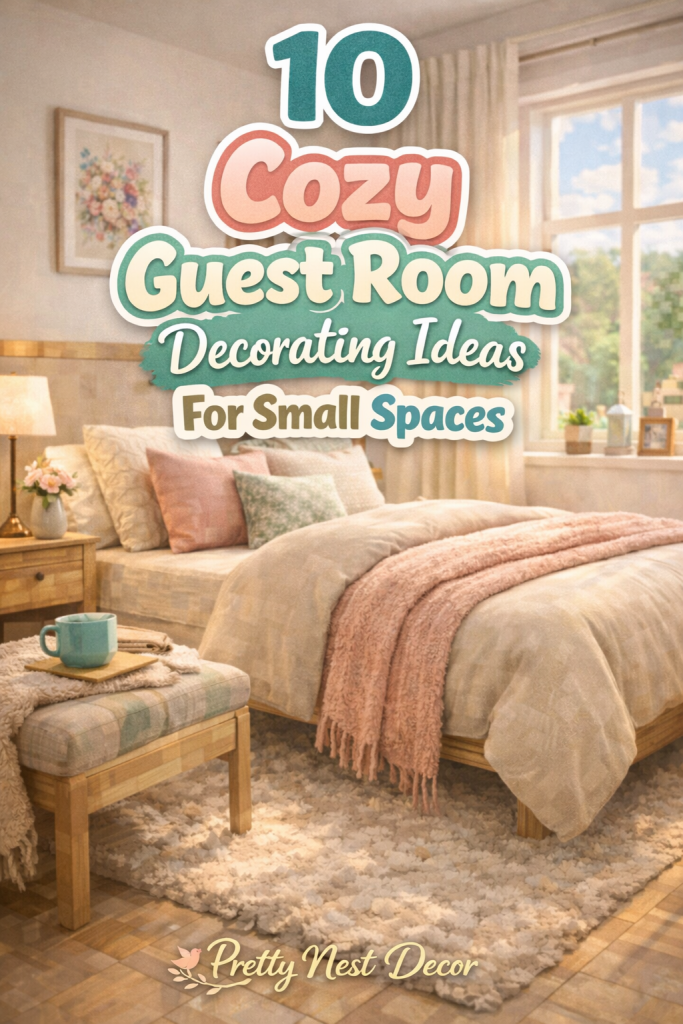
Cozy guest room design for small spaces revolves around a few key principles: simplicity, texture, light, and multifunctionality. Simple, neutral color palettes create a sense of openness and calm. Soft, layered textures in bedding, rugs, and wall accents make a room feel inviting without taking up visual space. Strategic lighting ensures the room feels warm and comfortable while also highlighting key design elements. Multifunctional furniture, like storage beds, fold-out desks, and nightstands with hidden compartments, maximizes utility while keeping the room clutter-free.
Pinterest trends in guest room design emphasize calm, serene, and highly styled environments. Neutral tones, warm woods, soft linens, layered throws, and curated decorative accents are staples of small-space cozy guest rooms. Even minimal touches—like a small indoor plant, a framed print, or a neatly stacked basket of towels—can make a space feel fully furnished and curated. Small rooms benefit the most from intentional design choices because every item is visible, so choosing the right colors, textures, and organizational elements is critical.
Another key aspect of cozy guest room design is personalization. While the room should feel universally comfortable for any guest, it should also reflect the homeowner’s style. Decorative pillows, ambient lighting, and accent pieces bring warmth and personality to the room. Small accessories, like bedside lamps, small trays for essentials, and soft throw blankets, enhance both comfort and style without crowding the space.
Storage is one of the biggest challenges in small guest rooms. Closets may be minimal, drawers may be limited, and floor space is precious. The solution lies in multifunctional storage solutions: beds with drawers underneath, floating shelves, wall-mounted hooks, baskets, and stylish trunks. These allow guests to unpack essentials and keep the room tidy, while also maintaining a visually appealing environment. Organization combined with style ensures the room feels calm rather than cluttered.
Lighting is another major factor in small guest room design. Natural light is ideal, but small spaces often lack large windows. Incorporating layered lighting—overhead fixtures, bedside lamps, and wall-mounted sconces—creates a warm, inviting atmosphere. Warm-toned bulbs, dimmers, and reflective surfaces help make the room feel larger, cozier, and more welcoming. Even small rooms can appear spacious and serene with proper light placement.
Color and pattern choices are equally critical. Neutral walls and soft tones expand a small room visually, while subtle patterns in bedding or rugs add interest without overwhelming the space. Soft textures like cotton, linen, and wool introduce depth and comfort. A few carefully selected accent colors—muted blues, sage greens, or warm blush tones—can add personality without cluttering the visual flow.
The key to a cozy small-space guest room is intentionality. Every piece of furniture, every decorative item, and every storage solution should serve a purpose. Overstuffed rooms feel chaotic, while curated, well-planned rooms feel calm, inviting, and ready for visitors. This approach combines practicality, style, and comfort, creating spaces that are both functional and visually appealing.
In this guide, we’ll explore cozy guest room decorating ideas specifically for small spaces. Each idea includes a clear explanation, step-by-step instructions, and a materials list so you can recreate the design in your own home. From clever storage solutions and space-saving furniture to color schemes, lighting techniques, and decorative accents, these ideas will help you transform even the smallest guest room into a Pinterest-worthy sanctuary.
Whether you have a tiny spare bedroom, a converted nook, or a compact apartment guest room, these decorating ideas will ensure your guests feel welcomed, comfortable, and surrounded by thoughtful design. With cozy textures, intentional layouts, and functional yet stylish details, your small guest room can become a favorite corner of your home.
1. Use Multi-Functional Furniture to Maximize Space
Small guest rooms often struggle with limited square footage, making furniture placement a challenge. One of the most effective ways to create a cozy, functional space is by incorporating multi-functional furniture. These pieces not only save room but also add style and practicality, making your small guest room feel more open, organized, and inviting.
Multi-functional furniture refers to pieces that serve more than one purpose. In a guest room, this can include a bed with built-in drawers, a fold-out desk that doubles as a vanity, or a bench with storage underneath. These items allow you to minimize clutter while maximizing the utility of each square foot. For example, a storage bed eliminates the need for additional dressers or under-bed bins, keeping the floor clear and the room visually spacious.

Step-by-Step How-To:
- Measure the Room: Start by measuring the dimensions of your guest room to understand what will fit comfortably without crowding the space.
- Select Key Furniture: Identify essential furniture items—a bed, bedside table, and perhaps a small desk or chair. Prioritize pieces that serve dual purposes.
- Choose Storage Beds: Opt for beds with drawers underneath or lofted designs to utilize vertical space.
- Add a Multi-Use Desk or Vanity: A fold-out desk can function as a workspace for guests or a vanity for personal items.
- Incorporate a Storage Bench or Ottoman: Place a small bench at the foot of the bed or near a window to provide seating and hidden storage for linens or guest essentials.
- Maintain Visual Balance: Avoid overcrowding by keeping floor space clear. Choose furniture in neutral colors that blend with the walls to enhance the feeling of openness.
Materials Needed:
- Storage bed with drawers or lift-up mattress frame
- Fold-out desk or vanity table
- Bench or ottoman with hidden storage
- Neutral bedding and linens
- Decorative cushions to add warmth and comfort
Choosing the right multi-functional furniture also contributes to a cozy ambiance. Neutral-toned furniture with soft textures can make the room feel inviting, while clever storage solutions reduce clutter, helping your guest room feel larger than it is. Matching wood tones, minimal hardware, and soft accents like throw blankets or cushions complete the Pinterest-worthy look.
A small guest room designed with multi-functional furniture is both practical and stylish. Guests enjoy a comfortable stay with everything they need within reach, while the space remains organized and visually calm. Using these furniture strategies allows even the tiniest room to feel like a thoughtfully designed retreat.
2. Layer Soft Textiles for Warmth and Comfort
A small guest room can easily feel sparse or uninviting without the addition of warm textures. Layering textiles—such as rugs, throw blankets, cushions, and curtains—instantly creates a cozy atmosphere while adding visual depth. Soft textiles are particularly effective in small spaces because they bring warmth without occupying physical space, making the room feel inviting and comfortable for guests.
Start by selecting a neutral or muted color palette for the base textiles. Soft whites, creams, and beiges create a calming foundation. Add pops of muted colors, such as sage green, blush, or soft gray, through accent pillows or throws. Layering textiles of different textures—linen, cotton, wool, or faux fur—enhances depth and prevents the room from feeling flat.

Step-by-Step How-To:
- Start with Bedding: Choose a comfortable duvet or quilt in a neutral tone. Add multiple layers, including a lightweight throw and decorative pillows.
- Add Area Rugs: A soft area rug or runner adds warmth underfoot and defines the room’s layout. Choose low-pile rugs to avoid bulk.
- Incorporate Window Treatments: Linen or cotton curtains soften the light and provide privacy while enhancing coziness.
- Use Accent Cushions and Throws: Mix textures, patterns, and muted colors to create visual interest.
- Maintain Balance: Avoid overcrowding the room with too many patterns or bold colors. Keep the overall look light and airy.
Materials Needed:
- Neutral duvet or quilt
- Decorative throw blankets
- Accent cushions and pillows
- Low-pile area rug or runner
- Linen or cotton curtains
- Cozy slippers or small floor mat (optional)
Layered textiles not only add warmth but also make a small room feel more intentional and styled. Guests instantly feel welcomed and comfortable, and the space becomes Pinterest-worthy with minimal effort.
3. Optimize Vertical Space with Shelves and Wall-Mounted Storage
In small guest rooms, floor space is precious. One of the best ways to maximize room efficiency is by using vertical space. Wall-mounted shelves, floating nightstands, and hooks allow you to store essentials, display décor, and keep the floor uncluttered, which is crucial in small rooms.
Floating shelves above the bed, near the desk, or along walls can hold books, decorative items, or baskets for guest essentials. Wall hooks or pegboards keep coats, bags, or accessories off the floor. Even small shelves above the door frame can accommodate decorative boxes or small storage bins.

Step-by-Step How-To:
- Measure Wall Space: Determine the height and width of available wall areas.
- Install Floating Shelves: Use 2–3 shelves depending on wall height, spacing them evenly.
- Add Wall Hooks or Pegboards: Place near the entry or beside the bed for easy access to personal items.
- Use Small Baskets or Boxes: Organize toiletries, books, or accessories on shelves.
- Maintain Visual Balance: Keep shelves clutter-free, and match container colors with the room palette.
Materials Needed:
- Floating shelves (wood or painted to match décor)
- Wall hooks or pegboard system
- Decorative storage boxes or baskets
- Wall anchors and screws
- Labels for organized storage (optional)
By moving storage off the floor, vertical solutions make small guest rooms feel more spacious while providing practical functionality. Displayed thoughtfully, shelves also contribute to the room’s style and Pinterest-worthy charm.
4. Incorporate Mirrors to Visually Expand the Room
Mirrors are a small-space decorator’s best friend. In a compact guest room, strategically placed mirrors create the illusion of more space while reflecting light to make the room feel airy and bright. They also add a decorative element, enhancing the cozy, Pinterest-worthy look of the space.
Start by identifying walls that can reflect natural light from windows or artificial light from lamps. A large floor mirror can make a narrow room appear longer, while wall-mounted mirrors above a dresser or desk add depth without taking up floor space. Mirrors with stylish frames—wood, black metal, or rattan—blend functionality with design.

Step-by-Step How-To:
- Measure Your Walls: Determine which areas will benefit most from reflective surfaces.
- Select the Mirror Style: Choose a frame that matches your guest room décor.
- Position for Maximum Light: Place mirrors opposite windows or light sources to amplify brightness.
- Mount Securely: Use wall anchors if hanging above furniture.
- Add Decorative Accents Nearby: Small plants or candles near the mirror enhance coziness.
Materials Needed:
- Large floor mirror or wall-mounted mirrors
- Mounting brackets or wall anchors
- Small decorative accents (plants, candles, or photo frames)
Mirrors create depth and visual space, making even the tiniest guest rooms feel open, inviting, and thoughtfully styled.
5. Add Cozy Lighting for Ambiance
Lighting is critical in small guest rooms. A single overhead light can feel harsh or flat, making the room less inviting. Cozy, layered lighting instantly elevates the atmosphere, making the space feel warm, functional, and Pinterest-ready.
Start with ambient lighting as a base—warm-toned bulbs are ideal. Then, layer with bedside lamps, wall sconces, or even string lights for a soft glow. Dimmer switches allow guests to adjust light levels according to mood or need. Task lighting, like a small desk lamp, ensures practical functionality without sacrificing style.

Step-by-Step How-To:
- Replace Harsh Bulbs: Use warm LEDs (2700–3000K) to create a cozy glow.
- Add Bedside Lamps: Position lamps for easy reading and soft light.
- Install Wall Sconces (Optional): Perfect for rooms with limited floor space.
- Consider Accent Lighting: LED strips behind furniture or under shelves add a subtle glow.
- Test Light Levels: Ensure the room feels warm and inviting at all times.
Materials Needed:
- Warm-toned LED bulbs
- Bedside lamps or wall sconces
- Dimmer switches
- LED accent strips (optional)
- Small decorative lampshades
Proper lighting transforms a small room from functional to cozy. Layered lighting creates a sense of depth and comfort, making your guest room feel stylish and welcoming.
6. Utilize Foldable or Convertible Furniture
Small guest rooms benefit immensely from furniture that adapts to different needs. Foldable or convertible furniture, such as Murphy beds, futons, or fold-out desks, maximizes floor space while keeping the room cozy and organized.
A fold-out bed or sofa can provide seating during the day and sleeping space at night. A wall-mounted desk or vanity can double as a workspace for guests without taking up permanent space. Convertible furniture is practical and stylish, creating a multi-functional room that accommodates a variety of needs.

Step-by-Step How-To:
- Measure Room Space: Determine which areas allow for foldable furniture.
- Select Convertible Pieces: Choose a sofa bed, Murphy bed, or fold-down desk.
- Install Securely: Follow manufacturer guidelines for safety and functionality.
- Complement with Storage: Include baskets or drawers for linens and guest items.
- Style with Accessories: Cushions, throws, and rugs enhance comfort and warmth.
Materials Needed:
- Foldable bed, sofa bed, or Murphy bed
- Fold-down desk or wall-mounted workspace
- Cushions and throw blankets
- Baskets for storage
- Area rug to tie the space together
Convertible furniture keeps small guest rooms flexible, practical, and stylish. It allows guests to enjoy full comfort without compromising on space or design.
7. Create a Small Sitting Area with a Cozy Chair or Bench
Even small guest rooms can benefit from a designated sitting area. A cozy chair, small loveseat, or a bench by a window creates a relaxing spot for reading, lounging, or putting on shoes. This adds functionality and makes the room feel more complete and inviting.
Choose furniture with clean lines and soft upholstery to avoid visual bulk. A small accent table or a pouf complements the chair or bench while maintaining openness. Layer with a throw and a cushion for warmth. If space allows, a small floating shelf or a wall-mounted lamp nearby enhances comfort without taking up floor space.

Step-by-Step How-To:
- Measure Available Space: Ensure furniture fits without overcrowding.
- Select Compact Seating: Choose a small upholstered chair, loveseat, or bench.
- Add Soft Accents: Include a throw blanket and decorative cushions.
- Include a Side Table or Pouf: Provides functionality without taking up excess room.
- Enhance with Wall-Mounted Lighting or Shelf: Saves floor space while adding practicality.
Materials Needed:
- Small upholstered chair, loveseat, or bench
- Throw blankets and decorative pillows
- Compact side table or pouf
- Wall-mounted lamp or floating shelf
- Neutral rug to anchor the seating area
A cozy sitting corner transforms a small guest room into a multi-functional retreat. Guests enjoy comfort, style, and a Pinterest-worthy environment in even the tiniest space.
8. Maximize Closet Space with Organizers and Baskets
Closets in small guest rooms are often compact, but they can be transformed into highly functional, stylish storage areas with the right organizers. Adding baskets, hanging organizers, and shelf dividers helps keep guest belongings neat while maintaining a visually appealing space.
Start by removing everything from the closet and assessing what fits. Use vertical space efficiently with stacked shelves, hanging organizers, and hooks on the inside of doors. Woven baskets on shelves keep small items, like toiletries, socks, or accessories, contained. Clear containers can hold extra linens or seasonal items while allowing visibility.

Step-by-Step How-To:
- Declutter the Closet: Remove unnecessary items and create designated categories for linens, clothes, and accessories.
- Install Shelf Dividers or Extra Shelves: Maximize vertical space to separate different types of items.
- Use Hanging Organizers: Over-the-rod or wall-mounted organizers create additional compartments.
- Add Baskets or Bins: Keep smaller items organized and easy to access.
- Label Each Section: Clear labels or tags help guests find what they need quickly.
Materials Needed:
- Woven storage baskets or bins
- Hanging organizers for shoes or accessories
- Shelf dividers or additional shelving
- Labels or tags
- Hooks for doors or walls
Well-organized closets in small guest rooms prevent clutter and give the space a polished, curated look. Guests feel more at home when everything has its place, and the room remains cozy and visually appealing.
9. Incorporate Small Decorative Accents
Adding subtle decorative accents instantly makes a small guest room feel curated and inviting. While functionality is key, small details like artwork, decorative trays, or indoor plants elevate the space and make it feel warm, stylish, and Pinterest-ready.
Begin by selecting one or two focal points, such as a framed print above the bed or a small plant on a nightstand. Avoid overcrowding surfaces, as too many accessories can overwhelm a compact room. Layer textures with throws, cushions, or a small area rug. Use cohesive colors that complement the room’s palette to maintain visual calm.

Step-by-Step How-To:
- Select a Few Key Decorative Pieces: Choose artwork, plants, or a small tray for guest items.
- Place Accents Strategically: Bedside table, floating shelf, or windowsill.
- Use Textures for Depth: Combine wood, metal, glass, or fabric for cozy styling.
- Incorporate Seasonal Decor (Optional): Small seasonal touches keep the room fresh.
- Maintain Minimalism: Less is more in small spaces—focus on quality over quantity.
Materials Needed:
- Small framed prints or artwork
- Indoor plants or succulents
- Decorative trays or bowls
- Throw blankets and cushions
- Small accent rug (optional)
Decorative accents give personality to a guest room without taking up space. Even the smallest rooms can feel intentional, welcoming, and Pinterest-worthy with thoughtful styling.
10. Keep the Room Clutter-Free with Thoughtful Storage Solutions
A clutter-free environment is essential in small guest rooms to maintain a cozy and open feel. Beyond furniture and closet organization, thoughtful storage solutions throughout the room prevent mess and ensure the space remains functional and inviting.
Storage solutions include under-bed bins, small baskets on shelves, floating shelves for books, and decorative boxes for miscellaneous items. Encourage guests to keep belongings organized with easily accessible compartments. Every item should have a designated place, creating a sense of calm and intentionality.

Step-by-Step How-To:
- Assess Storage Needs: Determine what items guests typically need to store—clothes, personal items, toiletries.
- Incorporate Under-Bed Storage: Use clear bins or drawers for extra linens or luggage.
- Add Small Baskets or Decorative Boxes: Place on shelves, desks, or nightstands.
- Use Floating Shelves: Display books, decorative items, or small necessities.
- Maintain a Minimalist Approach: Keep surfaces uncluttered and organized to enhance cozy aesthetics.
Materials Needed:
- Under-bed storage bins or drawers
- Woven or decorative baskets
- Floating shelves
- Small decorative boxes
- Labels or tags for organization
By keeping small guest rooms clutter-free, the space feels larger, cozier, and more inviting. Well-organized storage solutions complement style, comfort, and functionality, creating a room that feels thoughtfully curated and Pinterest-ready.