
Bird feeders are more than just garden accessories—they are a way to bring nature closer to your home, support local wildlife, and express creativity. Building your own bird feeders from recycled materials not only benefits the environment by reducing waste but also offers a fun, hands-on DIY project suitable for all ages. For DIY enthusiasts, homeowners, and Pinterest lovers, recycled bird feeder ideas combine sustainability with aesthetic appeal, creating charming, functional, and eco-friendly additions to any outdoor space.
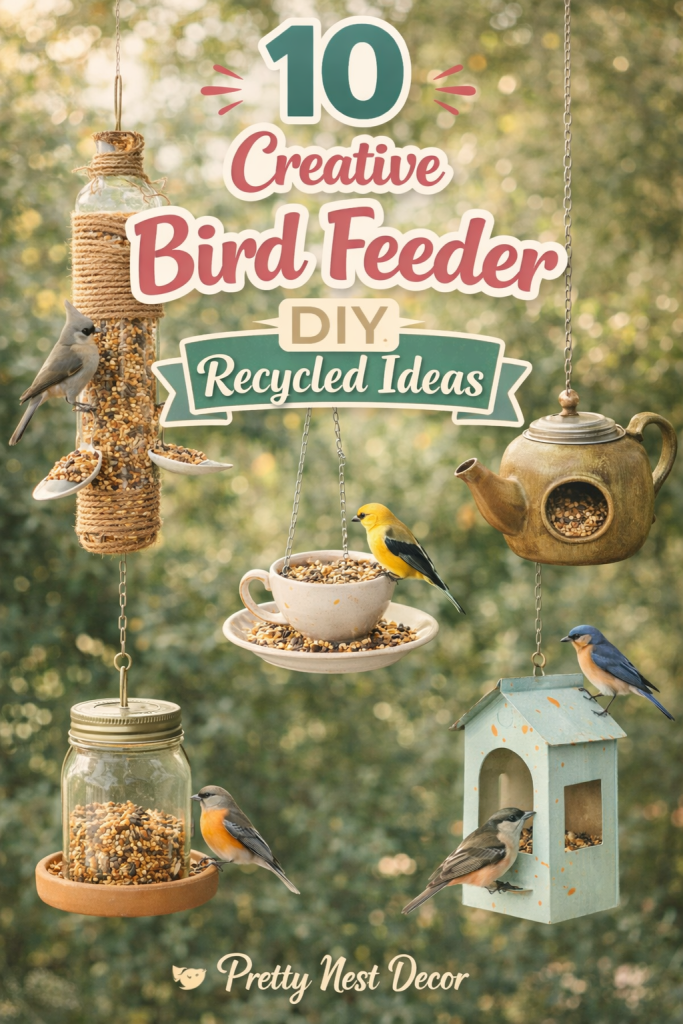
Recycled bird feeders allow you to repurpose items that might otherwise be discarded. Plastic bottles, tin cans, mason jars, milk cartons, old wooden boxes, and even wine corks can become unique homes for your feathered friends. The beauty of recycled DIY projects is that they encourage resourcefulness and creativity. Instead of buying mass-produced feeders, you can craft personalized designs that reflect your style while contributing to environmental conservation. Each bird feeder can serve a functional purpose—feeding birds—and a decorative one, adding character to your garden, balcony, or windowsill.
The appeal of DIY recycled bird feeders goes beyond functionality. Birds are natural pollinators and insect controllers, enhancing the health of your garden while adding vibrant movement and sound. By creating bird-friendly spaces, you contribute to local ecosystems and invite wildlife into urban or suburban areas. Moreover, crafting bird feeders can be a relaxing and rewarding activity, whether you are a beginner or an experienced DIYer. Pinterest is full of inspiring ideas where recycled materials are transformed into creative feeders, showing that sustainability can be both beautiful and practical.
When designing a recycled bird feeder, it’s important to consider safety, durability, and accessibility. Smooth edges, secure hanging mechanisms, and proper placement ensure that birds can safely access food without risk of injury. Materials should be weather-resistant, or treated for outdoor use, to withstand sun, rain, and wind. Even small details, such as perches, feeding ports, and drainage holes, enhance usability and comfort for birds. By combining thoughtful design with eco-friendly materials, you can create feeders that are both functional and visually appealing.
DIY bird feeders also provide opportunities for personalization and experimentation. You can paint and decorate feeders to match your outdoor aesthetic, add multiple feeding stations for different species, or modify designs for seeds, nuts, or suet. Each recycled project can be a conversation starter for friends, family, and neighbors, inspiring others to embrace creative sustainability. Additionally, using recycled materials keeps costs low, making it accessible to anyone, from urban apartment dwellers with limited space to suburban homeowners with larger gardens.
Educationally, building bird feeders is an excellent activity for children and families. It teaches creativity, problem-solving, environmental stewardship, and a connection to nature. Watching birds interact with the feeders offers insight into local wildlife behavior, species identification, and ecological relationships. Families can turn these projects into seasonal activities, experimenting with different materials, colors, and designs throughout the year. Pinterest boards dedicated to DIY recycled bird feeders are filled with step-by-step instructions, tips, and variations, making these projects easy to replicate and share.
In this guide, we will explore 10 creative bird feeder DIY recycled ideas, each designed to be practical, beginner-friendly, and Pinterest-optimized. Each project will include a detailed introduction explaining the concept, step-by-step instructions for construction, and a list of materials used. From simple hanging bottle feeders to charming wooden or jar designs, these ideas showcase innovation, eco-consciousness, and aesthetic appeal. Whether you want a minimalist feeder for a small balcony or a statement piece for your backyard, this guide provides inspiration for all types of spaces and skill levels.
By the end of this article, you will have a variety of sustainable bird feeder ideas that encourage recycling, creativity, and environmental engagement. You’ll be able to transform everyday items into functional art pieces that attract birds, enrich your outdoor environment, and make your garden more lively and vibrant. These projects are perfect for Pinterest sharing, social media inspiration, or personal enjoyment, bridging the gap between practicality, aesthetics, and sustainability.
Creating DIY recycled bird feeders is a rewarding practice for those who care about wildlife, sustainability, and creativity. Each completed feeder not only provides nourishment for birds but also tells a story of resourcefulness and personal style. With the 10 ideas in this guide, you can experiment with materials, designs, and placement, developing unique feeders that enhance your outdoor space while embracing eco-friendly living. Sustainability, beauty, and practicality intersect in every project, making bird feeding an enjoyable and creative endeavor.
Whether you are a seasoned DIYer, a nature enthusiast, or simply someone looking for eco-friendly outdoor decor, recycled bird feeders offer endless possibilities. They allow you to repurpose waste, support local wildlife, and create functional decorative pieces. By exploring innovative designs, experimenting with materials, and embracing creativity, you can transform your outdoor space into a welcoming sanctuary for birds, while also making a meaningful contribution to environmental conservation. Pinterest-worthy recycled bird feeders inspire creativity, promote sustainability, and celebrate the joy of interacting with nature.
Idea 1: Plastic Bottle Hanging Feeder
Introduction
Plastic bottles are one of the most accessible recycled materials, making them ideal for creating simple, cost-effective bird feeders. This DIY project transforms everyday waste into a functional, eco-friendly feeding station for birds. Plastic bottles are lightweight, weather-resistant, and easy to decorate, making them perfect for urban balconies, small gardens, or backyard spaces. Using a bottle feeder also encourages resourcefulness, teaches recycling, and introduces beginners to DIY craft techniques.
The beauty of a plastic bottle feeder lies in its simplicity and adaptability. You can cut openings for feeding, add wooden or metal perches, and use twine, string, or wire for hanging. Painting or decorating the bottle adds personality and charm, creating a Pinterest-worthy project. Plastic bottles are durable, easy to clean, and refillable, allowing birds to access seeds, nuts, or grains safely. Properly designed, these feeders attract small birds like sparrows, finches, and chickadees while minimizing spillage and waste.
This DIY project is beginner-friendly and offers endless customization options. You can experiment with different shapes, sizes, and hanging methods. By repurposing a common plastic bottle, you also contribute to environmental sustainability, reducing plastic waste while creating a functional outdoor accessory.
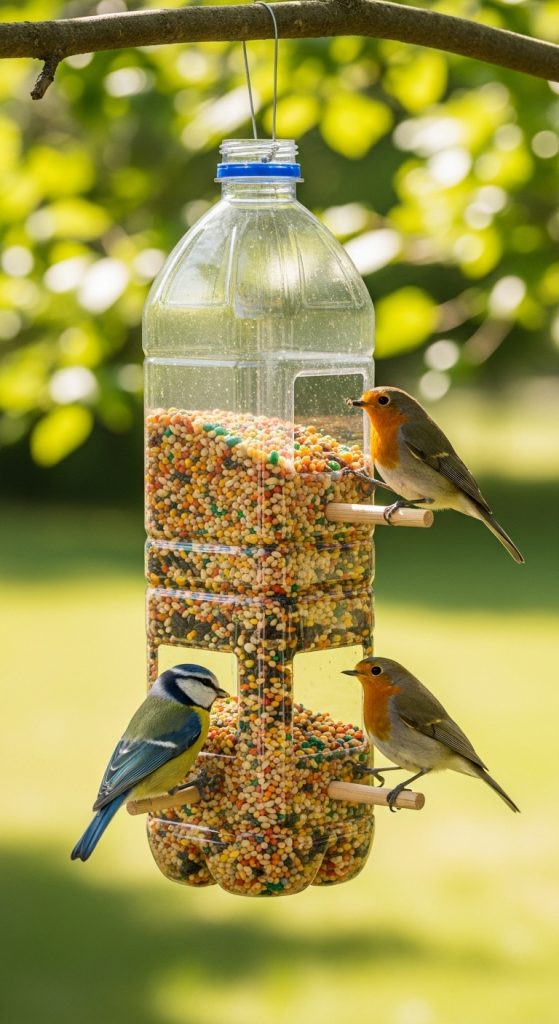
Step-by-Step How-to Create a Plastic Bottle Hanging Feeder
- Prepare the Bottle: Clean the bottle thoroughly, removing labels and residue.
- Cut Feeding Holes: Use scissors or a craft knife to cut two or more small holes on opposite sides of the bottle.
- Add Perches: Insert wooden spoons, dowels, or sticks through the holes to create perches for birds.
- Fill with Food: Add bird seeds or nuts through the top opening.
- Hanging: Attach a string or wire to the bottle’s neck and hang it from a tree branch, hook, or balcony railing.
Materials Needed
- Empty plastic bottle (500 ml to 2L)
- Wooden spoons, dowels, or sticks for perches
- Scissors or craft knife
- String, twine, or wire for hanging
- Bird seeds or nuts
- Optional: Acrylic paint or stickers for decoration
Idea 2: Mason Jar Suet Feeder
Introduction
Mason jars are classic, versatile, and perfect for creating bird feeders. This DIY project transforms an ordinary jar into a suet feeder, ideal for attracting insect-eating and seed-loving birds. Mason jars are durable, reusable, and easy to clean, making them environmentally friendly and long-lasting. Suet feeders are especially beneficial during colder months, providing high-energy food that supports bird survival.
A mason jar feeder can be hung or placed on a flat surface, making it adaptable for various outdoor environments. By adding wire or string, the jar can easily be suspended from tree branches, garden hooks, or balcony railings. Decorating the jar or painting the lid adds charm, making it an aesthetically pleasing addition to any outdoor space. This DIY project is beginner-friendly, inexpensive, and sustainable, turning a common household item into a functional wildlife accessory.
Mason jar suet feeders are highly practical. You can refill them with suet blocks, seeds, or nuts, and the transparent jar allows you to monitor food levels easily. These feeders attract birds like woodpeckers, chickadees, and nuthatches, adding life and activity to your garden or balcony.
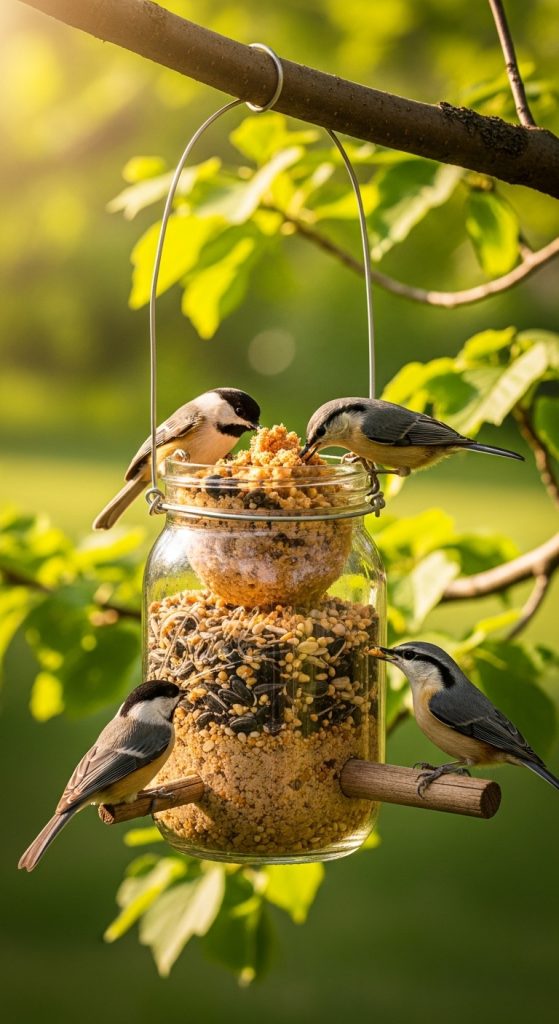
Step-by-Step How-to Create a Mason Jar Suet Feeder
- Prepare the Jar: Clean the mason jar and remove the lid.
- Add Feeding Material: Fill the jar with suet, seeds, or nuts.
- Create Hanging Mechanism: Wrap wire or twine around the jar’s neck and form a loop for hanging.
- Optional Perch: Attach a small wooden dowel or stick under the jar’s mouth for a perch.
- Hang the Feeder: Suspend the jar from a tree branch, hook, or balcony railing.
Materials Needed
- Mason jar with lid
- Suet, seeds, or nuts
- Wire or twine for hanging
- Small wooden dowel or stick (optional perch)
- Scissors or pliers
- Optional: Paint or decorative ribbons
Idea 3: Milk Carton Window Feeder
Introduction
Empty milk cartons are lightweight, sturdy, and perfect for creating window bird feeders. This DIY project uses a recycled carton to provide birds with an accessible feeding station that attaches directly to your window using suction cups. Window feeders allow close observation of birds, making them excellent for educational activities and wildlife photography. Reusing milk cartons for feeders reduces waste and turns everyday materials into functional, sustainable outdoor decor.
This type of feeder is beginner-friendly, safe, and practical. By cutting feeding ports and adding small perches, you can make the birds feel comfortable while they feed. Milk cartons are also weather-resistant and easy to refill, making them a convenient choice for small apartments or urban gardens. Decorating the carton adds a personalized touch, making it visually appealing for Pinterest-inspired projects.
Milk carton feeders are ideal for small birds like finches, sparrows, and chickadees. They encourage interaction with nature, provide supplemental food, and create a charming focal point for your outdoor space. This DIY idea combines sustainability, creativity, and functionality.
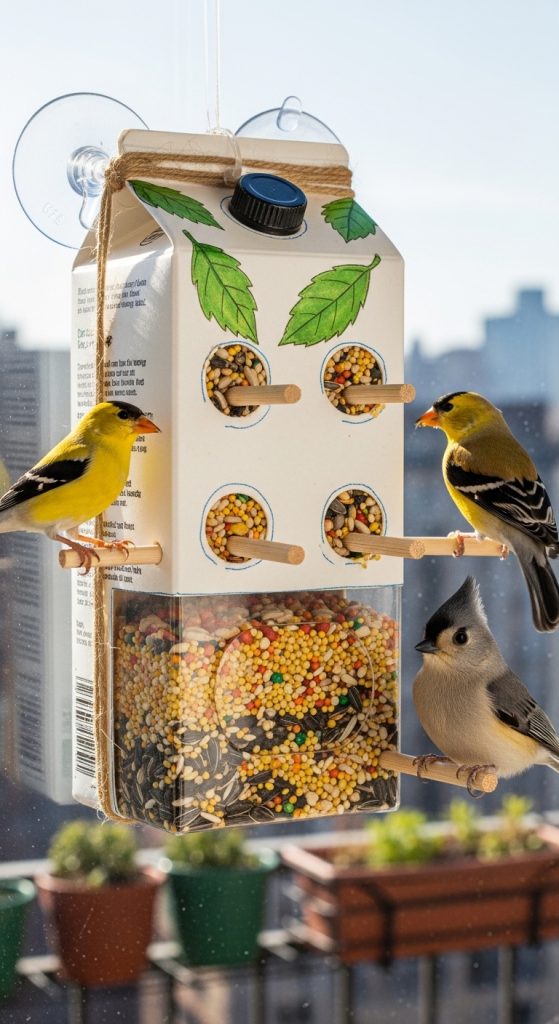
Step-by-Step How-to Create a Milk Carton Window Feeder
- Prepare the Carton: Rinse and dry an empty milk carton.
- Cut Feeding Ports: Cut small openings on one or both sides of the carton.
- Add Perches: Insert wooden sticks or chopsticks below each opening.
- Fill with Seeds: Pour bird seeds into the carton.
- Attach to Window: Use suction cups or hooks to mount the feeder to your window.
Materials Needed
- Empty milk carton
- Wooden sticks or chopsticks
- Bird seeds
- Suction cups or hooks for window attachment
- Scissors or craft knife
- Optional: Paint or stickers for decoration
Idea 4: Tin Can Hanging Feeder
Introduction
Tin cans are durable, lightweight, and perfect for repurposing into bird feeders. This DIY project transforms a common household can into a hanging feeder, offering a fun and sustainable craft for beginners. Tin cans are weather-resistant and can hold a variety of seeds or suet, making them practical for feeding different bird species. Recycling tin cans into feeders reduces waste and promotes environmental responsibility.
Tin can feeders are highly customizable. You can punch holes for drainage, add perches, paint or decorate the cans, and hang them from trees or hooks. They are inexpensive and beginner-friendly, ideal for apartments with balconies or backyard gardens. By experimenting with size, shape, and decoration, you can create feeders that are both functional and aesthetically pleasing, suitable for Pinterest sharing.
Tin can feeders attract small and medium-sized birds, adding vibrancy and life to your outdoor spaces. They are easy to refill, durable, and simple to clean, making them a long-lasting and practical DIY project.
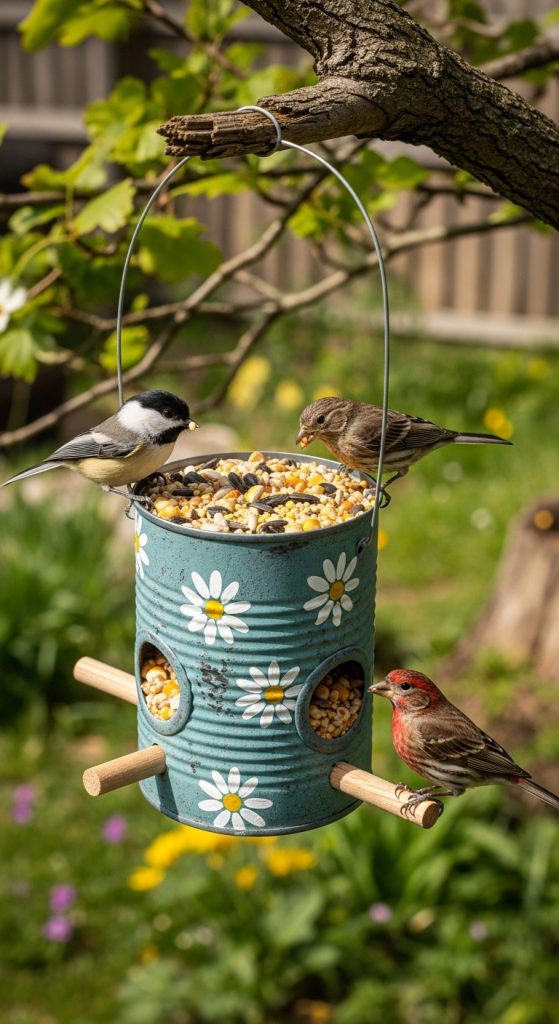
Step-by-Step How-to Create a Tin Can Hanging Feeder
- Prepare the Can: Clean an empty tin can thoroughly and remove sharp edges.
- Create Drainage Holes: Punch small holes at the bottom to allow water to drain.
- Add Perches: Insert wooden dowels or sticks horizontally through holes near the feeding openings.
- Fill with Seeds: Add bird seeds or a mix of nuts.
- Hanging Mechanism: Attach wire or string to the top of the can and hang it from a tree or hook.
Materials Needed
- Empty tin can
- Wooden dowels or sticks
- Wire or string for hanging
- Bird seeds or nuts
- Hammer and nail for holes
- Optional: Paint or decorative stickers
Idea 5: Wine Cork Mini Feeder
Introduction
Wine corks are small, lightweight, and versatile, making them perfect for crafting miniature bird feeders. This DIY project repurposes corks to create hanging seed holders or perches, ideal for attracting tiny birds like finches or sparrows. Wine cork feeders are compact, eco-friendly, and highly customizable, making them a fun Pinterest-worthy project for DIY enthusiasts.
Cork feeders can be strung together, glued to small containers, or combined with recycled materials like bottles or jars. Their size makes them suitable for small outdoor spaces, balconies, or indoor window gardens. Corks are biodegradable and sustainable, aligning with environmentally conscious DIY practices. By decorating or painting corks, you can personalize the feeder and create charming designs that stand out visually.
These miniature feeders offer a hands-on, beginner-friendly DIY experience while providing supplemental food for birds. They combine creativity, sustainability, and function in a small but impactful project, making them perfect for urban apartments or eco-conscious gardens.
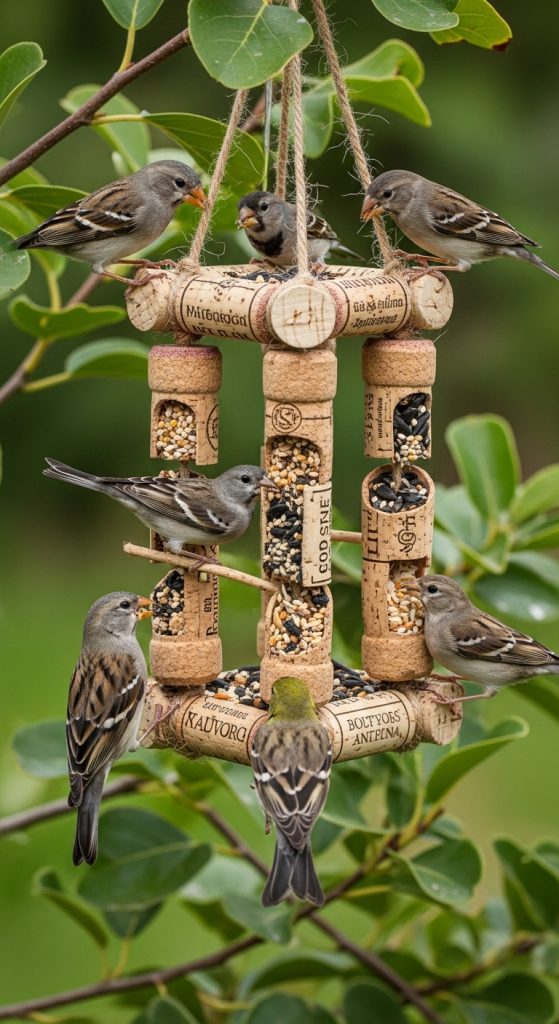
Step-by-Step How-to Create a Wine Cork Mini Feeder
- Prepare Corks: Collect wine corks and clean them thoroughly.
- Create Holes: Use a small drill or skewer to make holes for stringing or attaching.
- Add Seed Holders: Hollow out small sections of the corks to hold bird seeds.
- Attach String: Thread twine or fishing line through the holes for hanging.
- Hang the Feeder: Suspend the corks individually or in clusters from branches, hooks, or balcony railings.
Materials Needed
- Wine corks
- Small drill, skewer, or craft knife
- Twine, string, or fishing line
- Bird seeds
- Optional: Paint or decorative markers
Idea 6: Teacup Bird Feeder
Introduction
Repurposing old teacups into bird feeders is a creative, charming, and eco-friendly DIY idea. Broken or mismatched teacups, or those no longer in use, can be transformed into whimsical feeders, adding elegance and personality to your garden, balcony, or backyard. This project is perfect for Pinterest enthusiasts who love combining recycled materials with a decorative aesthetic.
Teacup feeders are compact, making them ideal for small spaces like apartment balconies or window ledges. The design allows for easy refilling, drainage, and perch addition, making them practical for feeding small birds such as finches, chickadees, and sparrows. Decorating teacups with paint, ribbons, or wire enhances visual appeal, turning functional feeders into conversation starters.
This DIY project encourages creativity while promoting sustainability by reusing materials that might otherwise be discarded. It is beginner-friendly, inexpensive, and offers endless possibilities for personalization. Whether hung from a tree, suspended on a hook, or placed on a stand, teacup bird feeders provide a unique, eco-conscious, and Pinterest-ready addition to any outdoor space.
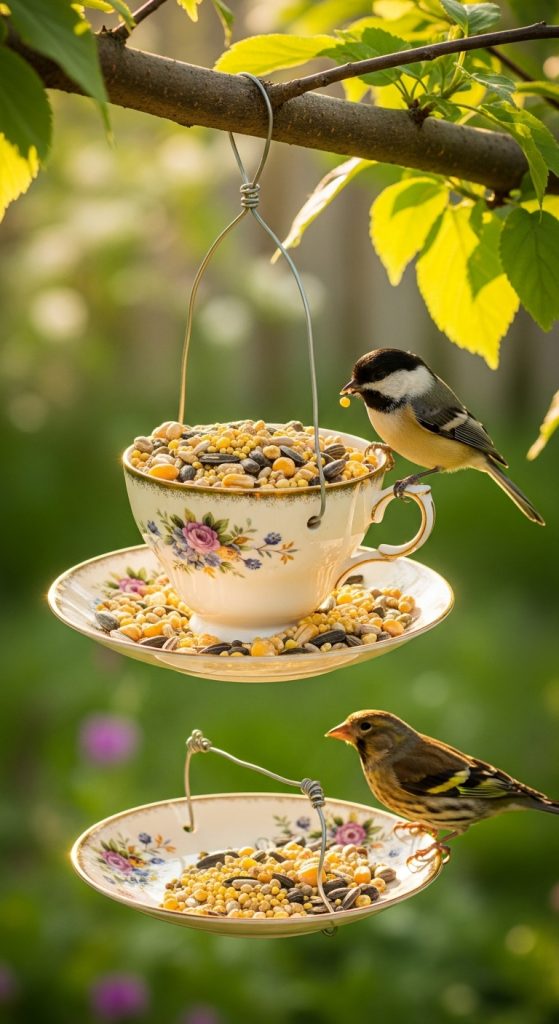
Step-by-Step How-to Create a Teacup Bird Feeder
- Select a Teacup: Choose a sturdy, unused or broken teacup with a matching saucer.
- Prepare Hanging Mechanism: Wrap sturdy wire around the cup handle and secure a hook or loop for hanging.
- Attach Saucer (Optional): Glue or tie the saucer to serve as a base or extra seed holder.
- Fill with Seeds: Add bird seeds to the cup, ensuring it is stable and level.
- Hang or Place: Suspend from a tree branch, hook, or balcony railing.
Materials Needed
- Old teacup and saucer
- Sturdy wire or craft wire
- Glue (optional for saucer)
- Bird seeds
- Hooks for hanging
- Optional: Paint, ribbons, or decorative elements
Idea 7: Pinecone Hanging Feeder
Introduction
Pinecones are naturally textured, lightweight, and perfect for DIY bird feeders. Coating a pinecone with peanut butter or suet and rolling it in bird seeds creates a simple, eco-friendly, and visually appealing feeder. This project repurposes natural materials, requires minimal tools, and is excellent for attracting small birds to your outdoor space.
Pinecone feeders are beginner-friendly and perfect for families or educational activities. They are compact, biodegradable, and easy to hang from tree branches or balcony hooks. Birds are attracted to the seeds and suet, making pinecones an effective feeding tool, especially during winter months. Decorating or adding color to pinecones enhances their Pinterest appeal, turning them into charming garden ornaments.
This DIY project highlights sustainability by combining recycled materials (like leftover suet, seeds, or string) with natural resources. It promotes outdoor engagement, encourages wildlife interaction, and creates an eco-conscious addition to your garden. Pinecone feeders are cost-effective, easy to replace, and perfect for seasonal rotation or gifting to bird enthusiasts.
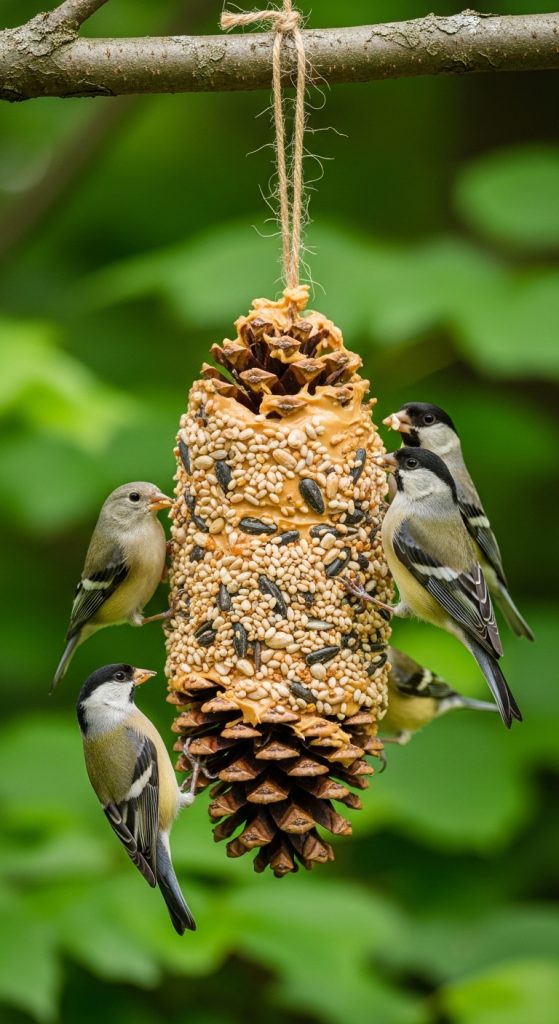
Step-by-Step How-to Create a Pinecone Hanging Feeder
- Collect Pinecones: Choose dry, open pinecones for better seed adhesion.
- Apply Adhesive: Spread peanut butter or suet evenly over the pinecone scales.
- Roll in Seeds: Roll the coated pinecone in bird seeds until well covered.
- Attach Hanging String: Tie twine, ribbon, or string to the top of the pinecone.
- Hang Feeder: Suspend from a tree branch or hook, ensuring stability.
Materials Needed
- Dry pinecones
- Peanut butter or suet
- Bird seeds
- Twine, string, or ribbon for hanging
- Optional: Decorative paint or ribbons
Idea 8: Recycled Milk Jug Tube Feeder
Introduction
Plastic milk jugs can be repurposed into tube-style bird feeders, offering a durable, lightweight, and practical solution for feeding birds. This DIY project uses recycled plastic jugs to create vertical feeders that can hold seeds and allow multiple birds to feed simultaneously. Tube feeders are beginner-friendly, cost-effective, and visually appealing for Pinterest boards.
Milk jug tube feeders are excellent for apartment balconies or backyard spaces. Their vertical design saves space while maximizing feeding area. Clear plastic allows monitoring seed levels, ensuring timely refills. Adding perches, drainage holes, and multiple feeding ports increases functionality and comfort for birds. Decorating the jug with paint, stickers, or ribbons enhances its aesthetic appeal while keeping it sustainable.
This DIY project promotes eco-conscious living by repurposing waste materials, reducing plastic pollution, and creating functional outdoor accessories. It is easy to construct, weather-resistant, and attractive to a variety of bird species. Tube feeders are practical, educational, and encourage interaction with wildlife, making them ideal for beginners and Pinterest enthusiasts alike.
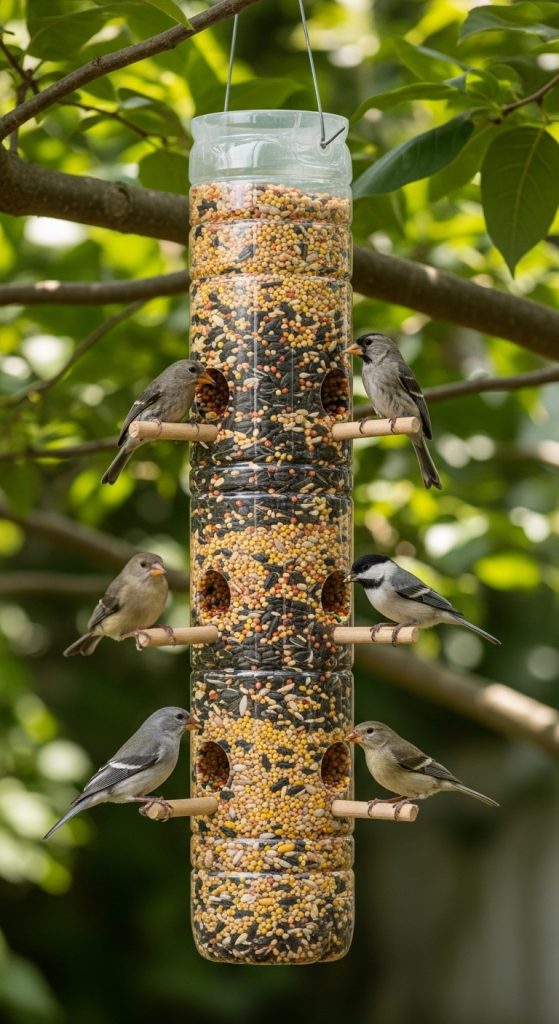
Step-by-Step How-to Create a Milk Jug Tube Feeder
- Prepare the Jug: Rinse an empty milk jug thoroughly.
- Cut Feeding Holes: Make several small openings on opposite sides of the jug.
- Add Perches: Insert wooden dowels or sticks below each opening.
- Fill with Seeds: Add bird seeds through the jug’s top.
- Attach Hanging Mechanism: Tie twine, string, or wire to the jug handle and hang.
Materials Needed
- Empty plastic milk jug
- Wooden dowels or sticks for perches
- Bird seeds
- Twine, string, or wire for hanging
- Scissors or craft knife
- Optional: Decorative stickers or paint
Idea 9: Wooden Spoon Suet Feeder
Introduction
Repurposing wooden kitchen spoons into suet feeders is a simple and creative DIY idea. Wooden spoons are durable, biodegradable, and perfect for small-scale feeding projects. Coating the spoon with suet or peanut butter and rolling it in bird seeds creates a compact, eco-friendly feeder suitable for apartment balconies, window gardens, or backyard trees.
Wooden spoon feeders are highly beginner-friendly and require minimal materials. They offer close interaction with birds while being visually appealing. Decorating the handle with paint, twine, or beads adds a personalized touch. These feeders are cost-effective, sustainable, and provide a charming, rustic aesthetic that is Pinterest-ready. They attract small birds like finches, sparrows, and chickadees, especially in winter months.
This project encourages creativity and sustainability by repurposing kitchen utensils, reducing waste, and promoting environmental awareness. It combines function, beauty, and eco-conscious design, offering an accessible way for beginners to engage with wildlife while enjoying a fun DIY activity.
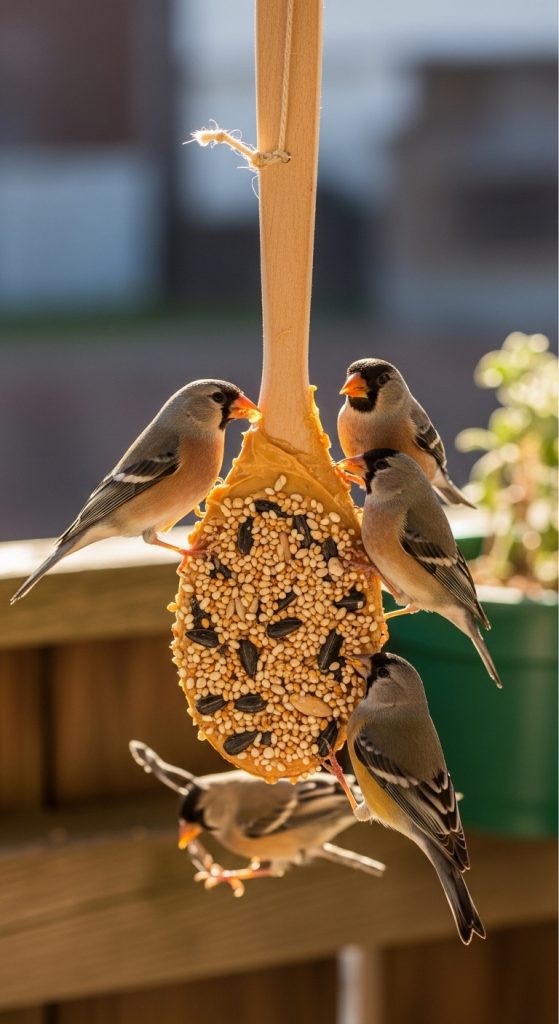
Step-by-Step How-to Create a Wooden Spoon Suet Feeder
- Select Wooden Spoons: Use clean, untreated wooden spoons.
- Apply Suet or Peanut Butter: Coat the spoon’s bowl evenly.
- Roll in Bird Seeds: Cover the suet with seeds, pressing lightly to secure.
- Attach Hanging String: Tie twine, string, or wire around the spoon handle.
- Hang Feeder: Suspend from a tree branch, hook, or balcony railing.
Materials Needed
- Wooden spoons
- Suet or peanut butter
- Bird seeds
- Twine, string, or wire for hanging
- Optional: Paint, beads, or decorative elements
Idea 10: Egg Carton Mini Feeder
Introduction
Recycled egg cartons provide an innovative and lightweight material for creating small bird feeders. This DIY project uses sections of an egg carton to hold seeds or suet, offering a compact, eco-friendly, and inexpensive solution for feeding birds. Egg carton feeders are biodegradable, beginner-friendly, and ideal for urban apartments or small garden spaces.
Egg carton feeders are perfect for observing small birds like finches and sparrows. The individual compartments prevent seed spillage and provide accessible feeding spaces. Decorating the cartons with paint or natural elements adds charm and creates a visually appealing, Pinterest-worthy project. Egg cartons are lightweight and easy to hang or place on a balcony railing, making them highly practical for beginner DIYers.
This project emphasizes sustainability by repurposing disposable materials, reducing waste, and promoting eco-conscious living. It encourages creativity, problem-solving, and engagement with wildlife while offering a fun, hands-on activity for children and adults alike.
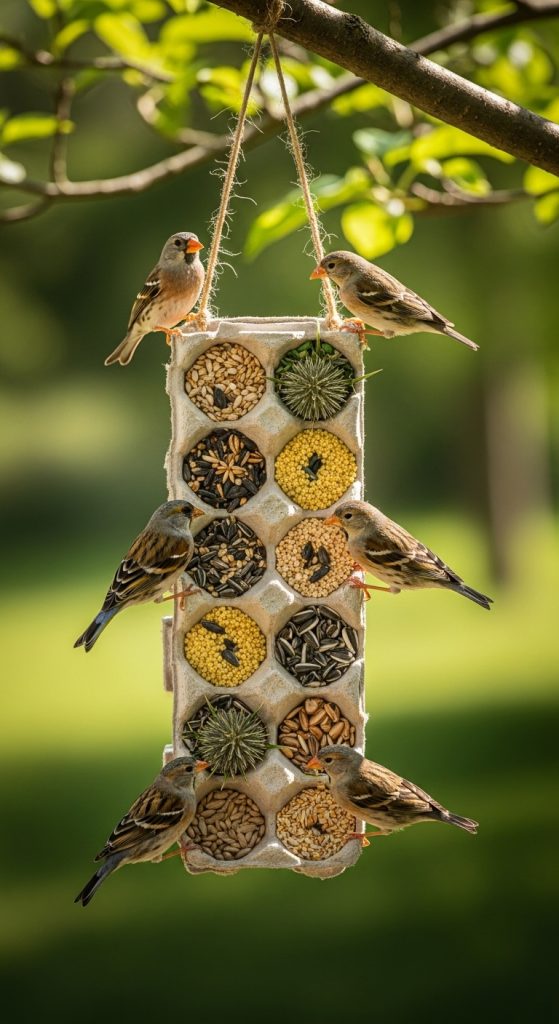
Step-by-Step How-to Create an Egg Carton Mini Feeder
- Prepare the Carton: Cut individual sections from the egg carton.
- Fill with Seeds or Suet: Add bird seeds, nuts, or suet to each compartment.
- Attach Hanging Mechanism: Punch small holes in the carton edges and thread twine or string.
- Secure Feeder: Tie the string into a loop for hanging.
- Hang or Place: Suspend from a tree branch, hook, or balcony railing.
Materials Needed
- Egg carton
- Bird seeds, nuts, or suet
- Twine, string, or ribbon
- Scissors or craft knife
- Optional: Paint or decorative materials