
Creating a peaceful, structured, and happy daily life for your child often starts with something very simple: a consistent routine. In a world where schedules are busy, distractions are everywhere, and time seems to move faster than ever, children need stability more than anything else. A well-planned morning and night routine is not just about getting things done—it’s about shaping your child’s mindset, emotions, and habits in a positive and lasting way.

For many parents, mornings can feel like a race against the clock. Waking kids up, getting them dressed, preparing breakfast, packing school bags, and making sure everything is in place can quickly turn into a stressful experience. Similarly, evenings can become overwhelming with unfinished homework, screen time struggles, and bedtime resistance. Without a clear structure, both the beginning and end of the day can feel chaotic, leaving both parents and children exhausted.
This is where simple routines become life-changing. Children naturally thrive on consistency and predictability. When they know what to expect, they feel more secure and less anxious. A routine gives them a sense of control over their day, helping them transition smoothly from one activity to another. Instead of constant reminders, arguments, or rushed moments, routines create a calm flow that makes daily life easier for everyone.
Morning routines play a powerful role in shaping how your child approaches the entire day. A calm and organized start can improve mood, boost confidence, and help kids feel more prepared for school or daily activities. When children follow a step-by-step morning routine—like waking up at the same time, brushing their teeth, getting dressed, eating a healthy breakfast, and organizing their belongings—they develop a sense of responsibility and independence. These small habits not only save time but also teach valuable life skills that will benefit them for years to come.
On the other hand, night routines are essential for winding down and creating a sense of closure for the day. Children often carry a lot of energy, emotions, and thoughts, especially after a full day of learning and playing. A calming bedtime routine helps signal to their brain that it’s time to relax and prepare for sleep. Without this transition, kids may feel restless, overstimulated, or resistant to going to bed.
A well-designed night routine can include simple yet effective activities like taking a warm bath, brushing teeth, reading a bedtime story, or spending quiet bonding time with parents. These moments not only improve sleep quality but also strengthen emotional connections within the family. Over time, kids begin to associate these activities with comfort and relaxation, making bedtime smoother and more enjoyable.
One of the most overlooked benefits of routines is how they reduce stress—not just for children, but for parents as well. When routines are in place, there is less need for constant instructions or reminders. Kids begin to understand what needs to be done and start taking responsibility for their own actions. This creates a sense of independence and self-discipline, which is incredibly important for their growth and development.
Another key advantage of having structured routines is emotional stability. Children often experience big emotions, and without proper guidance, they can feel overwhelmed. A predictable daily structure acts as a safety net, helping them feel grounded and secure. Knowing that their day has a clear beginning and end provides comfort, especially during times of change or uncertainty.
It’s important to understand that routines don’t need to be strict or complicated to be effective. In fact, the best routines are simple, flexible, and tailored to your child’s age and personality. Every family is different, and what works for one may not work for another. The goal is to create a routine that feels natural and sustainable, rather than forced or overwhelming.
For younger children, routines can be made fun and engaging through visual charts, colorful schedules, or reward systems. Turning routine tasks into playful activities can make kids more excited to participate. For example, using stickers for completed tasks or setting small goals can motivate children to follow their routine consistently. This positive reinforcement helps build long-term habits without resistance.
As children grow older, routines can evolve and become more independent. What starts as a guided process eventually turns into self-managed behavior. Kids learn to organize their time, prioritize tasks, and take ownership of their daily responsibilities. These are essential life skills that go far beyond childhood and prepare them for future success.
Another important aspect to consider is balance. A good routine is not just about productivity—it also includes time for rest, play, creativity, and connection. Children need moments of relaxation and joy just as much as they need structure. A balanced routine ensures that they feel supported both physically and emotionally.
In this article, we will explore 10 simple, practical, and highly effective morning and night routines designed specifically for kids. Each idea is created to be easy to follow, beginner-friendly, and adaptable to different lifestyles. Whether you’re trying to fix rushed mornings, create peaceful bedtimes, or simply bring more organization into your home, these routines will help you build a system that truly works.
By introducing these routines into your child’s daily life, you are doing much more than organizing their schedule—you are helping them develop confidence, independence, emotional strength, and healthy habits that will last a lifetime.
Idea 1: Calm & Positive Wake-Up Routine for Kids
Introduction
A calm and positive wake-up routine is the foundation of a successful day for kids. Instead of rushing, shouting, or dragging children out of bed, this routine focuses on creating a gentle and peaceful start. Many kids struggle in the morning simply because they feel overwhelmed or tired. A structured yet soothing wake-up system helps them feel safe, relaxed, and ready to begin their day with confidence.
This routine is especially helpful for parents who deal with cranky mornings, slow wake-ups, or constant delays. By introducing small but meaningful habits—like soft wake-up sounds, stretching, and a consistent schedule—you can completely transform your mornings. Over time, children begin to wake up naturally and follow the routine without resistance.
The goal here is not speed but smoothness. When kids start their day calmly, they carry that positive energy throughout school, playtime, and interactions. This routine builds emotional stability and reduces stress for both kids and parents, making mornings something to look forward to instead of fear.

What This Routine Means
This routine focuses on waking kids up gently, giving them time to adjust, and starting the day with positive energy rather than pressure.
Step-by-Step How-To
- Wake your child at the same time daily
- Use soft music or natural light instead of loud alarms
- Allow 5–10 minutes for stretching or cuddling
- Encourage a simple positive habit (smile, gratitude, or deep breath)
- Avoid rushing or negative talk
Materials Needed
- Soft alarm or music
- Curtains for natural light
- Cozy blanket or pillow
- Routine chart (optional)
Idea 2: Simple Get-Ready Morning Checklist Routine
Introduction
One of the biggest struggles parents face in the morning is getting kids ready on time. From brushing teeth to getting dressed, simple tasks can turn into long delays. A morning checklist routine solves this problem by giving kids a clear, visual structure to follow. Instead of constant reminders, children learn to complete tasks independently and in order.
This routine is perfect for building responsibility and time management skills at an early age. Kids love knowing what comes next, and a checklist removes confusion. It also reduces arguments because the routine becomes the “boss,” not the parent.
Over time, this system helps children feel more capable and confident. They begin to take ownership of their morning, which creates a smoother and faster process for everyone. It’s simple, effective, and incredibly helpful for busy families.

What This Routine Means
A visual or written checklist that guides kids through essential morning tasks step by step.
Step-by-Step How-To
- Create a simple checklist (brush teeth, wash face, get dressed, etc.)
- Place it where kids can easily see it
- Walk through it together for the first few days
- Encourage kids to tick off each task
- Reward consistency with praise or small incentives
Materials Needed
- Printed checklist or whiteboard
- Markers or stickers
- Wall space or clipboard
- Timer (optional)
Idea 3: Healthy Breakfast & Hydration Routine
Introduction
Breakfast is often called the most important meal of the day—and for kids, it truly is. A healthy breakfast routine not only fuels their body but also improves focus, mood, and energy levels. Many children skip breakfast or eat in a rush, which can affect their performance at school and overall well-being.
Creating a dedicated breakfast routine ensures that kids start their day with proper nutrition. It doesn’t have to be complicated—simple, balanced meals and hydration can make a huge difference. When kids eat at the same time daily, their body adapts, and it becomes a natural habit.
This routine also teaches children the importance of self-care and healthy eating. By involving them in small choices, like picking fruits or helping set the table, you can make breakfast a positive and enjoyable experience rather than a rushed obligation.

What This Routine Means
A consistent habit of eating a nutritious breakfast and drinking water every morning.
Step-by-Step How-To
- Set a fixed breakfast time
- Prepare simple, healthy options
- Encourage kids to drink water first
- Limit screen time during meals
- Make breakfast a calm family moment
Materials Needed
- Easy breakfast foods (eggs, fruits, bread, etc.)
- Water bottles or cups
- Dining table setup
- Meal prep containers (optional)
Idea 4: After-School Wind-Down Routine
Introduction
After a long day at school, kids often come home feeling tired, overstimulated, or emotionally drained. Jumping straight into homework or chores can lead to frustration and resistance. That’s why an after-school wind-down routine is so important—it gives children the time and space to relax and reset.
This routine acts as a bridge between school and home life. It helps kids release stress, recharge their energy, and mentally prepare for the rest of the day. Without this transition, children may feel overwhelmed, which can lead to mood swings or lack of focus.
A simple wind-down routine doesn’t require much effort but makes a huge difference. Whether it’s a snack, quiet time, or light play, these small activities help children feel balanced and comfortable. It creates a smoother evening flow and reduces conflicts at home.

What This Routine Means
A short, relaxing period after school that helps kids unwind before starting other tasks.
Step-by-Step How-To
- Offer a healthy snack after school
- Allow 20–30 minutes of free or quiet time
- Avoid screens initially
- Talk about their day casually
- Transition slowly into homework or activities
Materials Needed
- Healthy snacks
- Comfortable space (sofa, play area)
- Books or toys
- Water or juice
Idea 5: Easy Homework & Study Routine
Introduction
Homework time can often become stressful for both kids and parents. Without a proper routine, children may procrastinate, lose focus, or feel overwhelmed by their tasks. An easy homework routine helps create a structured and distraction-free environment where kids can focus and complete their work efficiently.
This routine is not about forcing kids to study for long hours—it’s about creating consistency and building good habits. When children know exactly when and where they will do their homework, they are more likely to stay disciplined and less likely to resist.
Over time, this routine improves concentration, time management, and academic confidence. It also reduces last-minute stress and helps children develop a sense of responsibility toward their studies.

What This Routine Means
A fixed and organized time for completing homework in a calm and focused setting.
Step-by-Step How-To
- Set a daily homework time
- Choose a quiet, distraction-free space
- Break tasks into smaller parts
- Use short breaks between tasks
- Review completed work together
Materials Needed
- Study desk or table
- School supplies (books, pencils, etc.)
- Timer or clock
- Good lighting
Idea 6: Evening Family Connection Routine
Introduction
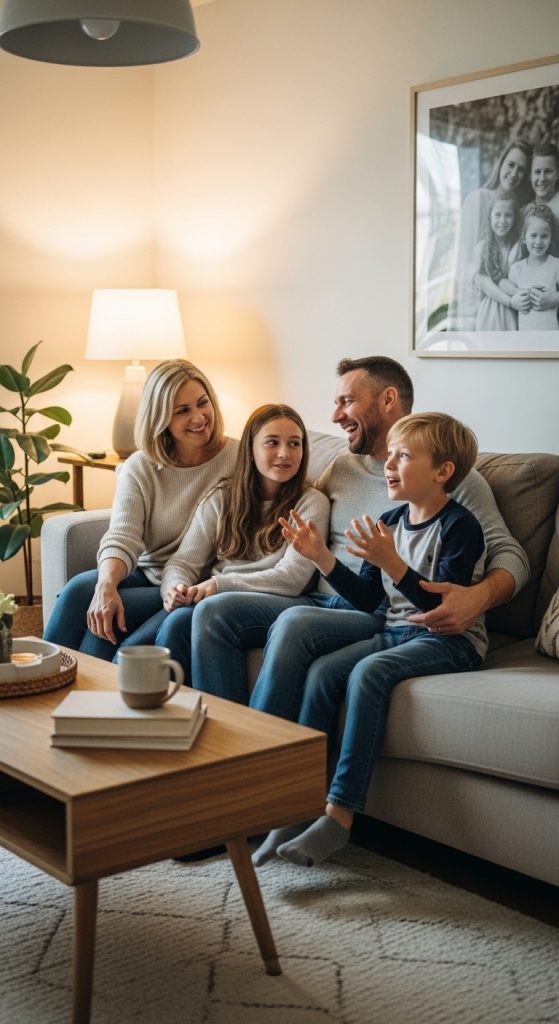
In today’s busy lifestyle, meaningful family time often gets lost between school, work, and daily responsibilities. An evening family connection routine helps bring everyone together, even if it’s just for a short period. This routine is not about doing something big—it’s about creating small, consistent moments where kids feel heard, valued, and emotionally connected.
Children crave attention and connection, especially after spending most of their day away from home. Without this bonding time, they may feel distant or seek attention in negative ways. A simple evening routine where families talk, laugh, and share their day can make a huge difference in a child’s emotional development.
This routine also strengthens relationships and builds trust. Kids are more likely to open up, share their thoughts, and express their feelings when they feel safe and connected. Over time, this habit creates a warm and supportive home environment that children carry with them as they grow.
What This Routine Means
A dedicated time in the evening where the family connects, communicates, and spends quality time together.
Step-by-Step How-To
- Set aside 15–20 minutes daily
- Turn off TVs and put away phones
- Sit together (dinner table or living room)
- Ask simple questions about their day
- Share positive moments or gratitude
Materials Needed
- Comfortable seating area
- Dinner or snacks (optional)
- Conversation prompts (optional)
- Calm environment
Idea 7: Simple Bath & Hygiene Night Routine
Introduction
A bath and hygiene routine is an essential part of a child’s night schedule. Not only does it keep them clean, but it also acts as a calming signal that bedtime is approaching. Many kids resist bedtime, but introducing a warm bath or hygiene ritual can make the transition smoother and more enjoyable.
This routine helps children develop self-care habits from an early age. Brushing teeth, washing hands, and taking a bath become natural parts of their day rather than forced tasks. Over time, kids begin to take pride in their cleanliness and independence.
A warm bath, in particular, has a soothing effect on the body. It relaxes muscles, reduces restlessness, and prepares the mind for sleep. When combined with a consistent schedule, this routine becomes a powerful tool for creating peaceful nights and better sleep quality.

What This Routine Means
A consistent set of hygiene habits done every night before bed to promote cleanliness and relaxation.
Step-by-Step How-To
- Set a fixed bath time each night
- Prepare warm water and essentials
- Guide kids through washing properly
- Follow with brushing teeth and changing into pajamas
- Keep the environment calm and quiet
Materials Needed
- Mild soap and shampoo
- Towels
- Toothbrush and toothpaste
- Comfortable pajamas
Idea 8: Screen-Free Wind-Down Routine
Introduction
In the digital age, screens have become a major part of children’s daily lives. While they can be useful, too much screen time—especially before bed—can negatively affect sleep and behavior. A screen-free wind-down routine helps kids disconnect from devices and transition into a calm, relaxed state.
Blue light from screens can interfere with the body’s natural sleep cycle, making it harder for kids to fall asleep. Additionally, fast-paced content can overstimulate their minds, leading to restlessness at bedtime. By removing screens at least 30–60 minutes before sleep, you create a healthier and more peaceful environment.
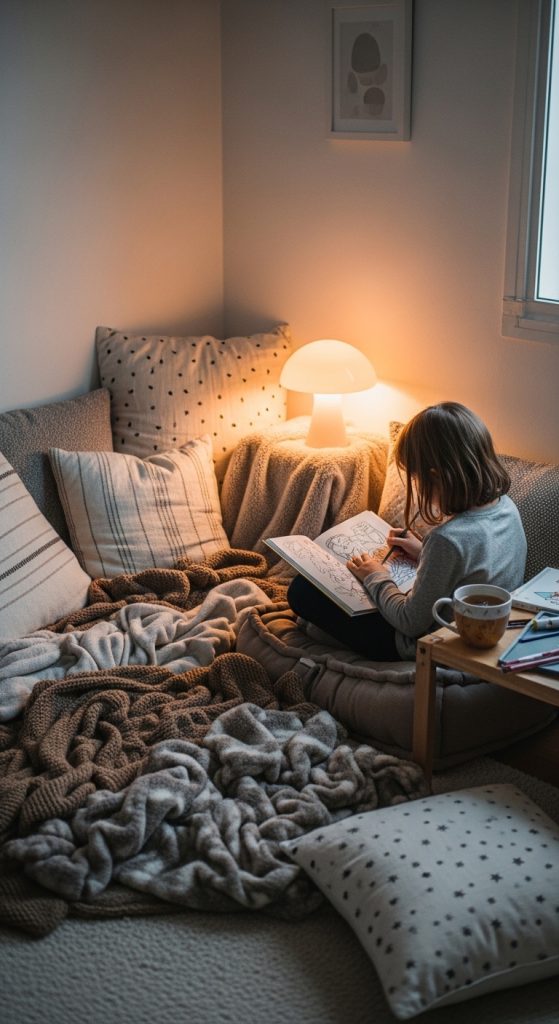
This routine encourages kids to engage in calming activities like reading, drawing, or quiet play. Over time, they begin to enjoy these activities and associate them with relaxation. It’s a simple but powerful change that can greatly improve sleep quality and overall well-being.
What This Routine Means
A habit of avoiding screens before bedtime and replacing them with calming, offline activities.
Step-by-Step How-To
- Set a “no screens” time before bed
- Turn off TVs, tablets, and phones
- Offer alternative activities (books, puzzles, drawing)
- Dim the lights to create a cozy atmosphere
- Keep the environment quiet and relaxing
Materials Needed
- Books or storybooks
- Coloring supplies
- Puzzles or toys
- Soft lighting
Idea 9: Bedtime Story & Relaxation Routine
Introduction
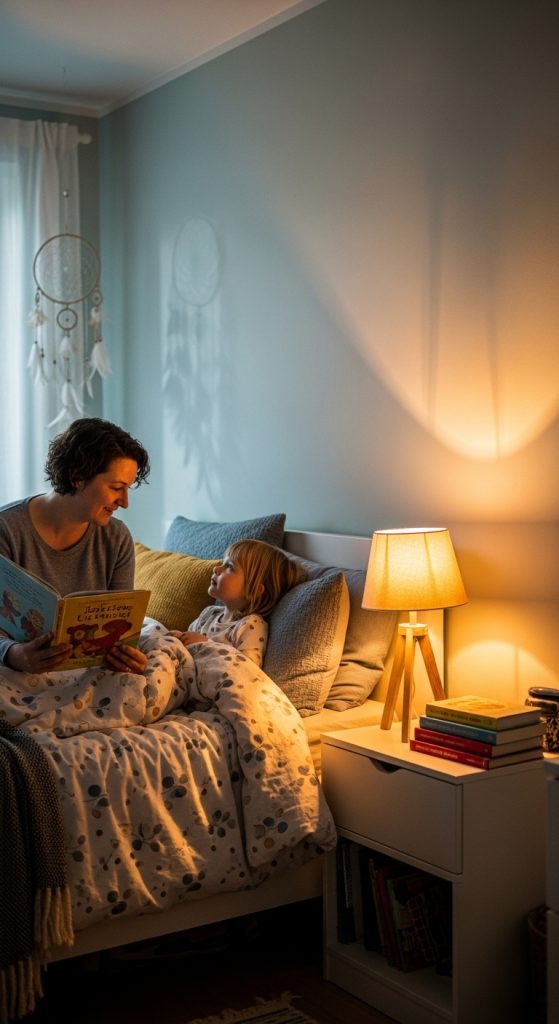
A bedtime story routine is one of the most comforting and memorable habits you can create for your child. It’s not just about reading—it’s about bonding, imagination, and relaxation. This simple activity helps kids transition from an active day to a peaceful night in a gentle and loving way.
Stories stimulate a child’s imagination while also calming their mind. Listening to a soothing voice helps reduce anxiety and creates a sense of safety. For many children, this becomes their favorite part of the day—a special moment they look forward to every night.
In addition to emotional benefits, reading also improves language skills, vocabulary, and creativity. Over time, kids may even develop a love for books and reading on their own. This routine combines learning, bonding, and relaxation in the most beautiful way.
What This Routine Means
Reading a short story or engaging in a calming activity before bed to relax the mind.
Step-by-Step How-To
- Choose a short, age-appropriate story
- Sit or lie down comfortably with your child
- Read in a calm, soft voice
- Discuss the story briefly
- End with a positive and comforting note
Materials Needed
- Storybooks
- Comfortable bed or seating
- Soft lighting or lamp
- Blanket or pillow
Idea 10: Consistent Sleep & Lights-Off Routine
Introduction
A consistent sleep routine is the key to healthy growth and development in children. Without proper sleep, kids may become irritable, tired, and less focused during the day. Setting a fixed bedtime and lights-off routine helps regulate their internal clock and ensures they get the rest they need.
Many parents struggle with bedtime resistance, where kids delay sleep or ask for “just one more thing.” A clear and consistent routine eliminates this struggle by setting expectations. When children know exactly when it’s time to sleep, they are more likely to cooperate.
Sleep is not just about rest—it directly affects a child’s mood, learning ability, and physical health. A well-established sleep routine improves overall behavior and creates a peaceful end to the day. Over time, kids naturally adjust and begin to fall asleep more easily.

What This Routine Means
A fixed bedtime schedule where lights are turned off at the same time every night.
Step-by-Step How-To
- Set a consistent bedtime based on age
- Follow the same sequence every night
- Dim lights before sleep
- Turn off all distractions
- Stick to the routine, even on weekends
Materials Needed
- Clock or timer
- Comfortable bed
- Night light (optional)
- Quiet sleeping environment