
Short hair has always carried a certain confidence—but in 2026, it’s not just about being bold, it’s about being strategic with shape, movement, and dimension. That’s exactly where the butterfly haircut comes in. While originally popular on longer hair, the butterfly cut has evolved, and now it’s being adapted in smarter, sharper ways for short hair lengths.
But here’s the problem most people run into: they assume short hair limits styling options. That’s simply wrong. The real issue is not length—it’s lack of layering and structure. Without the right cut, short hair can look flat, heavy, or awkward as it grows out. And once that happens, no amount of styling products will fix it.
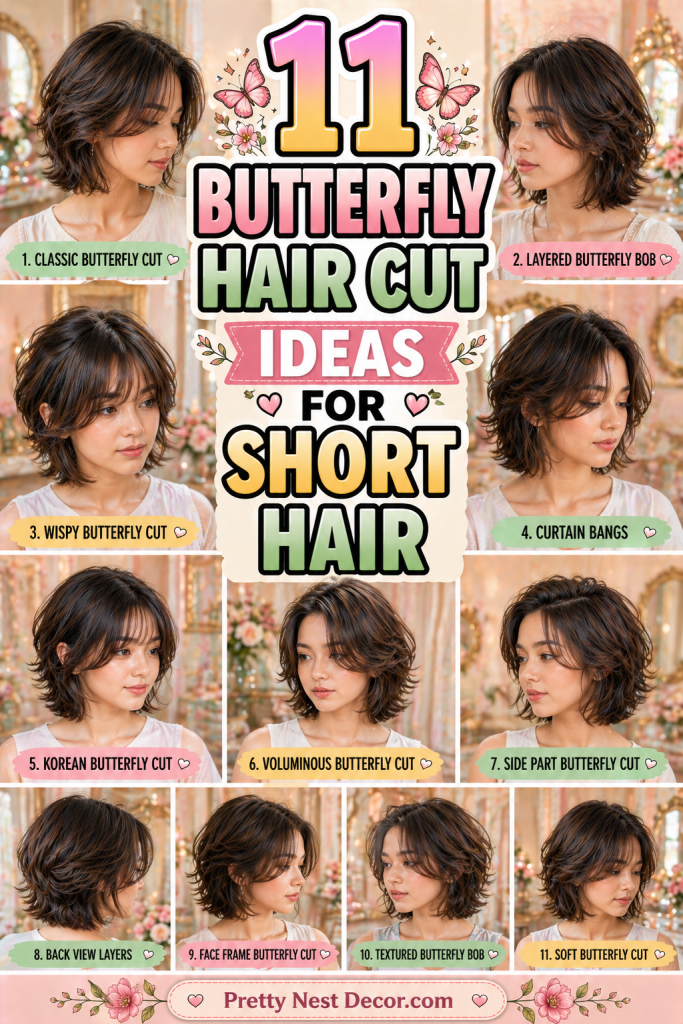
The butterfly haircut solves that problem by introducing strategic, face-framing layers that create the illusion of volume and movement, even in shorter lengths. Instead of a blunt, one-length cut, it builds dimension through soft layering—giving your hair a light, airy, almost “floating” effect. That’s why it’s called the butterfly cut: the layers sit and move like wings, adding shape without removing too much length.
Now, adapting this style to short hair requires precision. You don’t have the luxury of long layers to hide mistakes. Every cut, every section, every angle matters. Done right, it can make your hair look fuller, softer, and more dynamic. Done wrong, it can look choppy or uneven.
Another mistake people make is blindly copying trending styles without considering face shape, hair texture, or lifestyle. A butterfly cut that works on thick, wavy hair won’t behave the same on fine, straight hair. Similarly, a style that looks effortless in photos might require daily styling in real life—which most people aren’t willing to maintain.
That’s why understanding how each variation works is more important than just picking one you like visually.
Short hair in 2026 is also moving toward low-maintenance, high-impact styles. People want cuts that look good even when they’re not styled perfectly. The modern butterfly haircut fits this trend because it naturally creates shape and volume without needing heavy heat styling every day. When done correctly, it grows out gracefully instead of losing structure after a few weeks.
There’s also a shift toward personalized cuts instead of one-size-fits-all trends. That means the same butterfly concept can be adapted into soft, edgy, voluminous, or minimal styles depending on what suits you. This flexibility is exactly what makes it powerful for short hair—it can be tailored instead of forced.
In this guide, you’ll explore 11 Butterfly Haircut Ideas for Short Hair, each designed with real-life practicality in mind. These are not random Pinterest styles thrown together. Each idea will break down:
- What the specific variation looks like
- How to actually achieve it (or explain it clearly to a stylist)
- Who it works best for based on hair type and face shape
- What small adjustments make a big difference
- And the mistakes that will ruin the entire look
Because the truth is simple:
A haircut is not about trends—it’s about structure.
If you get the structure right, your hair will work for you instead of against you. If you don’t, you’ll keep fighting with it every morning.
So instead of guessing, you’re going to understand exactly how to make the butterfly haircut work on short hair—and make it look intentional, modern, and effortless instead of trendy and temporary.
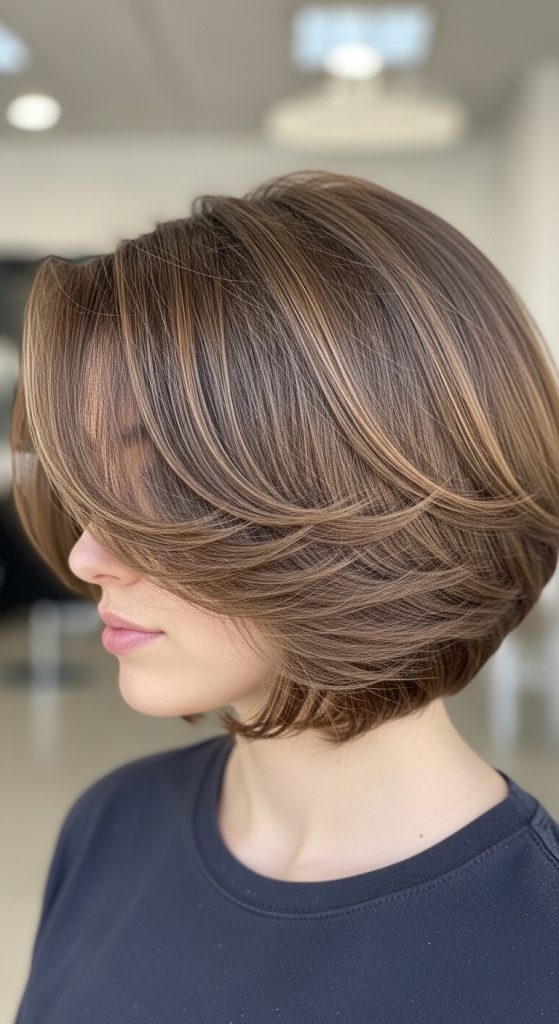
1. Soft Layered Butterfly Bob (Balanced Volume Without Bulk)
What it is
This is the safest and most wearable version of the butterfly cut for short hair. It takes a classic bob and upgrades it with soft, airy layers around the crown and face, creating movement without making the hair look thin.
Most short bobs fail because they sit flat against the head. They look clean on day one, then lifeless after a few washes. This version fixes that by building internal layers that lift the hair naturally.
The key here is control. You’re not adding aggressive layers—you’re creating invisible structure that gives the illusion of fullness.
How to implement (practical steps)
When explaining to a stylist (or cutting strategy):
- Keep base length at chin or slightly below
- Add soft face-framing layers starting around cheekbone level
- Introduce light crown layering for lift
- Avoid thinning ends too much—keep weight at the bottom
Styling approach:
- Blow-dry with a round brush focusing on roots, not ends
- Slight inward bend at ends keeps it polished
- Use lightweight volumizing spray (not heavy creams)
If you have straight hair:
- Add subtle texture spray for movement
If you have wavy hair:
- Let layers fall naturally—don’t over-style
Best for
- Fine to medium hair
- Round or oval face shapes
- People who want volume without dramatic change
This works best when your hair feels flat but you don’t want to lose overall shape.
Pro tip
Ask for “blended layers, not choppy layers.” That one instruction decides whether the cut looks expensive or amateur.
Mistake to avoid
Don’t over-layer the crown. Too many layers on short hair will make it look thin and uneven instead of full.
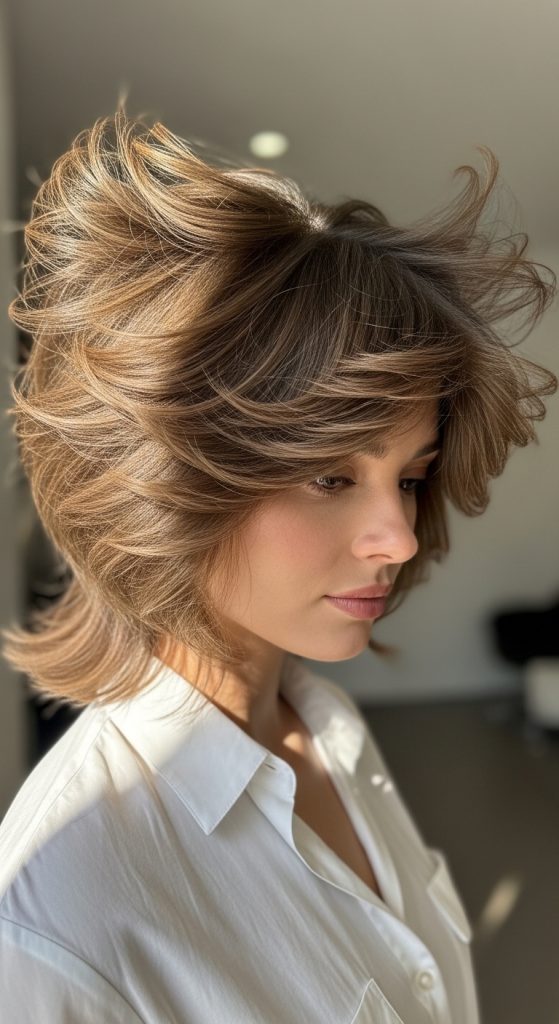
2. Curtain Bang Butterfly Cut (Face-Framing Focus)
What it is
This version pushes the butterfly effect toward the front by combining short layered hair with curtain bangs. The goal is to frame the face in a way that adds softness and dimension without shortening the overall length too much.
Most short haircuts ignore face framing. They focus on the back and sides, leaving the front flat. That’s why many styles feel incomplete. Curtain bangs fix that by creating movement around the face, which is where attention naturally goes.
This variation is less about volume and more about shape and balance.
How to implement (practical steps)
Cut structure:
- Keep overall length around jawline or slightly longer
- Add curtain bangs starting at eyebrow level
- Blend bangs into side layers smoothly
- Add light layering around face—not throughout entire head
Styling method:
- Use a round brush to flip curtain bangs slightly outward
- Keep the rest of hair soft and natural
- Avoid over-curling—movement should look effortless
Maintenance:
- Trim bangs regularly to keep shape
- Use light styling products to avoid greasy front sections
For thicker hair:
- Slightly thin the bangs to avoid heaviness
For fine hair:
- Keep bangs fuller to maintain density
Best for
- Heart-shaped or long faces
- People who want face definition
- Those who don’t want heavy layering all over
This works best when your haircut feels “plain” from the front.
Pro tip
Keep the center of the bangs slightly shorter than the sides. This creates that natural curtain fall instead of a flat fringe.
Mistake to avoid
Don’t cut curtain bangs too short. If they sit above eyebrows, you lose the soft butterfly effect completely.
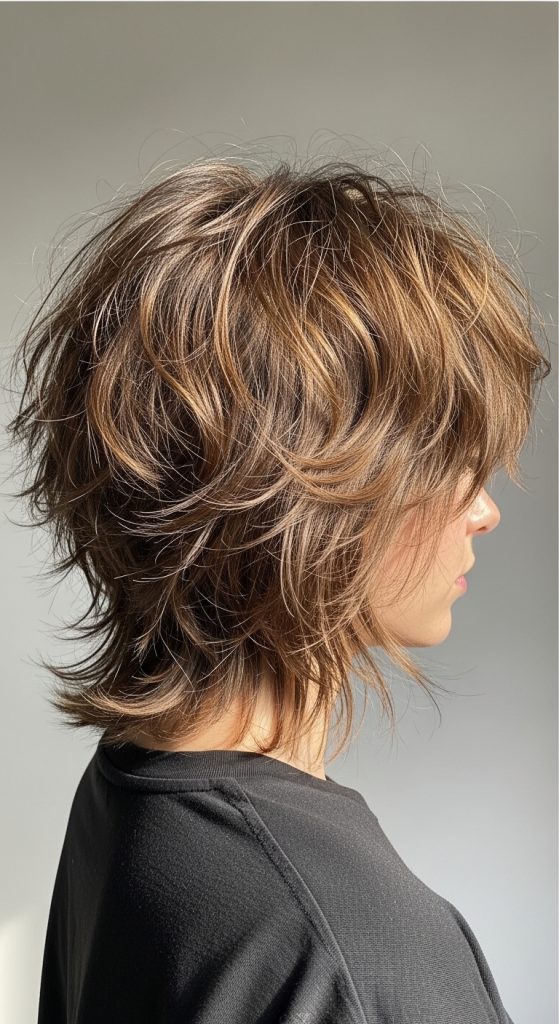
3. Textured Short Butterfly Shag (Edgy Movement Style)
What it is
This is the bold version of the butterfly cut for short hair. It combines shag-style texture with butterfly layering, creating a messy, voluminous, and slightly edgy look.
Unlike soft or polished versions, this style is intentionally imperfect. It thrives on movement, uneven texture, and lived-in styling. That’s why it works so well in 2026 trends where effortless, undone looks are dominating.
But don’t confuse “messy” with careless. This cut still needs controlled layering and balance, or it quickly turns chaotic.
How to implement (practical steps)
Cut structure:
- Keep length around chin or slightly shorter
- Add choppy layers throughout the crown and sides
- Include shorter face-framing pieces for movement
- Use point cutting technique for textured ends
Styling approach:
- Use sea salt spray or texturizing spray
- Air-dry or diffuse for natural volume
- Avoid heavy brushing—use fingers instead
For straight hair:
- Add slight waves using flat iron for dimension
For wavy hair:
- Let natural texture take over
Best for
- Thick or wavy hair
- People who want bold, trendy looks
- Those comfortable with less structured styles
This works best when you want your hair to feel dynamic and not perfectly styled.
Pro tip
The secret is controlled chaos. Layers should look random, but they must still be balanced around the head shape.
Mistake to avoid
Don’t over-texturize the ends. Too much thinning makes the haircut look damaged instead of intentionally edgy.
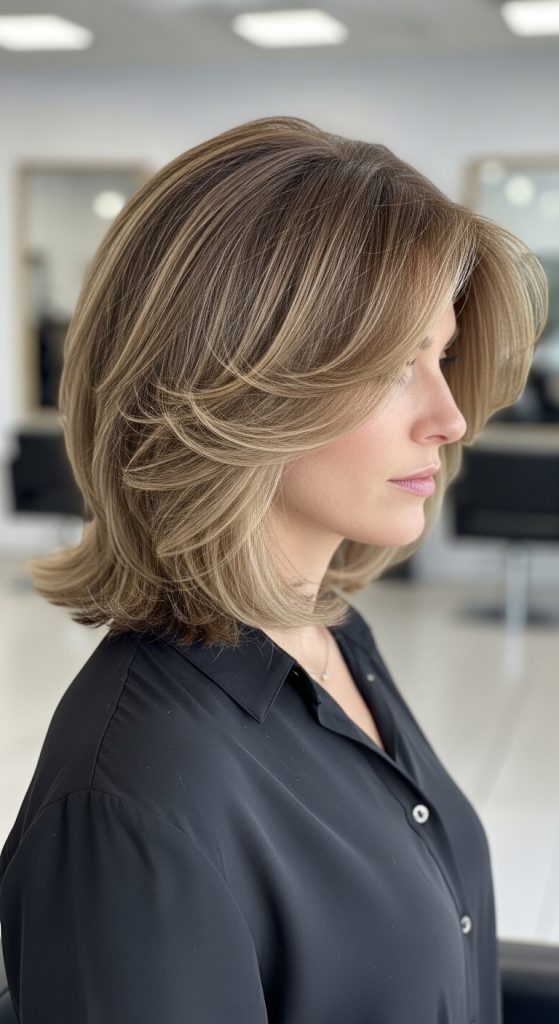
4. Short Butterfly Lob (Length Illusion Without Losing Shape)
What it is
This version sits between a bob and longer hair—a lob (long bob) enhanced with butterfly layering to create movement while still preserving visible length. It’s designed for people who are afraid of going “too short” but still want the light, airy effect of a butterfly cut.
Most short hair mistakes come from cutting too much too fast. Then you’re stuck with a shape that feels harsh and difficult to style. This version avoids that by keeping length at the perimeter while removing weight internally.
The result is hair that looks longer than it actually is—but feels lighter and more dynamic.
How to implement (practical steps)
Cut structure:
- Keep base length around collarbone or just above shoulders
- Add long, cascading layers starting below chin
- Keep ends slightly blunt to maintain thickness
- Add subtle face-framing pieces, not aggressive ones
Layer strategy:
- Top layers = shorter for volume
- Bottom layers = longer for length illusion
- Blend carefully—no visible step layers
Styling approach:
- Blow-dry with slight outward bend for softness
- Use a large barrel tool for loose movement (not curls)
- Focus volume at crown, not ends
For fine hair:
- Keep layering minimal to avoid thinning
For thick hair:
- Add internal layering to remove bulk
Best for
- People transitioning from long to short hair
- Oval, square, or round face shapes
- Those who want movement without dramatic change
This works best when you want short hair benefits without committing to a short look.
Pro tip
Keep the front slightly longer than the back. It elongates the face and makes the haircut look more intentional.
Mistake to avoid
Don’t over-layer the bottom half. Once the ends lose density, the “luxury” look disappears.
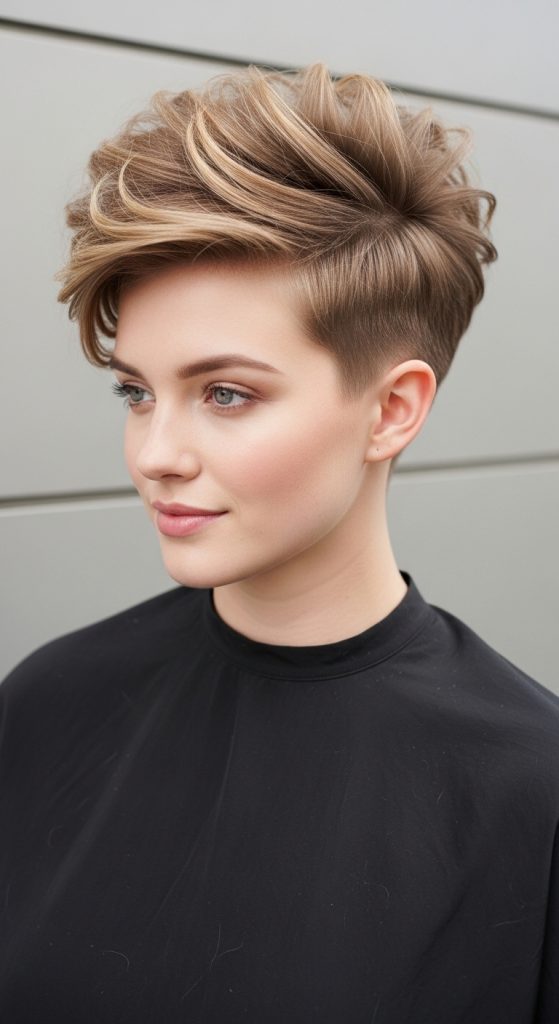
5. Volumized Crown Butterfly Cut (Lift-Focused Style)
What it is
This version is all about maximum lift at the crown while keeping the rest of the hair controlled. It’s designed for people whose hair falls flat at the top, making the entire style look lifeless.
Most short hair issues come from lack of root volume. People try to fix it with products, teasing, or heat styling—but those are temporary fixes. This cut builds volume directly into the structure, so your hair naturally sits higher.
The butterfly layering here is concentrated at the top, not evenly distributed.
How to implement (practical steps)
Cut structure:
- Keep overall length short to medium (chin to jawline)
- Add shorter layers at crown area only
- Keep sides and ends more controlled and fuller
- Blend layers softly to avoid visible separation
Volume strategy:
- Crown layers should be lifted, not spiky
- Avoid thinning scissors at the top—use layering instead
Styling approach:
- Blow-dry roots upward using round brush
- Use lightweight volumizing mousse at crown
- Avoid heavy oils or creams at roots
For straight hair:
- Use root-lift spray for extra hold
For wavy hair:
- Diffuse upward to enhance natural lift
Best for
- Fine or flat hair
- People struggling with volume
- Short styles that look “stuck to the head”
This works best when your main issue is lack of height and shape.
Pro tip
Focus 80% of styling effort on the crown. Once the top looks good, the rest of the haircut automatically looks better.
Mistake to avoid
Don’t create too many short layers at the crown. Over-layering turns volume into frizz and chaos.
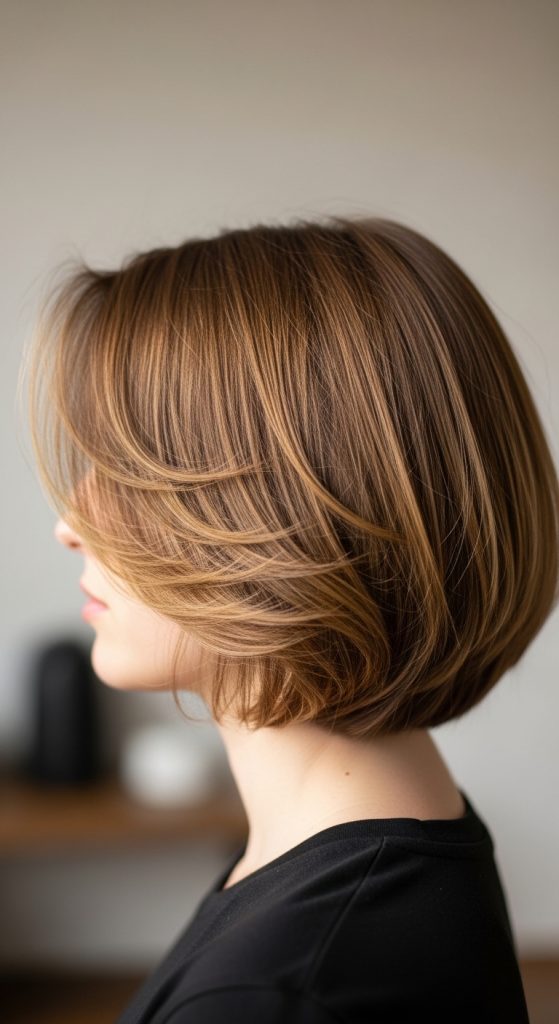
6. Face-Framing Feathered Butterfly Cut (Soft Feminine Flow)
What it is
This version leans into soft feathered layers around the face, creating a flowing, feminine look while keeping the rest of the hair structured. It’s one of the most flattering variations because it enhances facial features without requiring dramatic styling.
Most short cuts fail because they ignore face shape. They look fine from the back but don’t enhance the front view. This cut fixes that by focusing on how layers fall around your face, not just overall volume.
The butterfly effect here is subtle but very effective.
How to implement (practical steps)
Cut structure:
- Keep base length around chin or slightly below
- Add feathered layers starting from cheekbone level
- Blend layers into sides smoothly
- Keep ends soft and slightly tapered
Layer technique:
- Use light slicing or feathering method
- Avoid blunt cuts around the face
- Keep transitions smooth and natural
Styling approach:
- Blow-dry face layers outward for softness
- Use light serum only on ends (not roots)
- Keep styling minimal—this cut works best when it looks effortless
For thick hair:
- Remove some bulk from sides
For fine hair:
- Keep layers longer to maintain fullness
Best for
- Round, square, or fuller face shapes
- People who want softer, more feminine look
- Those who prefer low-maintenance styling
This works best when you want your haircut to enhance your face, not just your hair.
Pro tip
Always style the front layers first. If the face framing looks right, the entire haircut looks polished even with minimal effort.
Mistake to avoid
Don’t cut feathered layers too short. Short feathering removes elegance and makes the style look dated instead of modern.
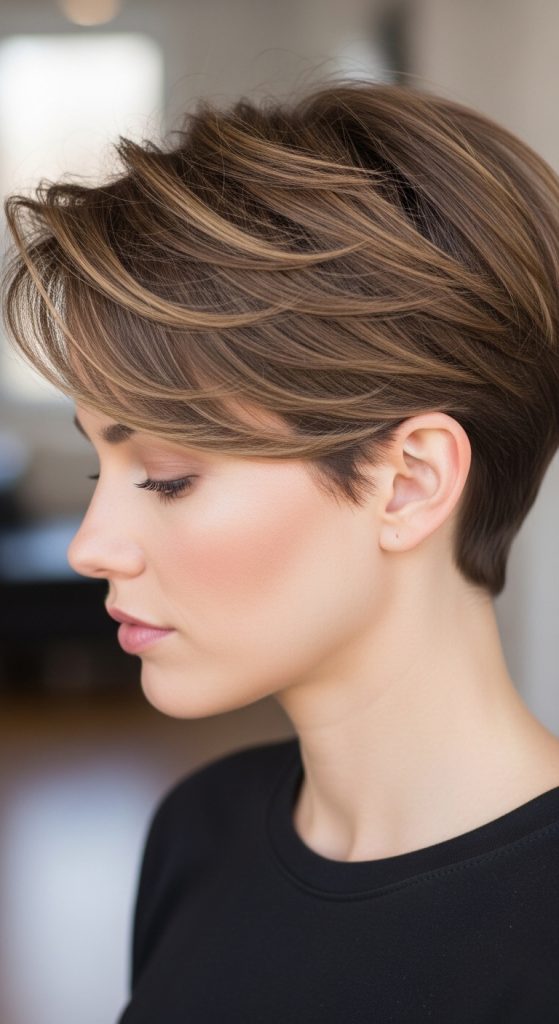
7. Short Butterfly Pixie Layers (Ultra-Light, High Movement Cut)
What it is
This is the shortest and most controlled version of the butterfly concept. It takes a pixie cut and injects micro-layering and directional movement, creating a soft, airy feel instead of a harsh cropped look.
Most pixie cuts fail because they’re too rigid. They rely on blunt cutting, which makes the hair sit stiff and flat. This variation fixes that by adding strategic light layers that allow the hair to move, even at very short lengths.
The result is a pixie that feels softer, more modern, and easier to style daily.
How to implement (practical steps)
Cut structure:
- Keep back and sides short but not shaved too tight
- Add slightly longer top section for layering
- Use soft point-cut layers on top to create movement
- Blend sides into top without harsh disconnect
Layer control:
- Keep layers light—this is micro-layering, not heavy shaping
- Focus on direction (forward, side-swept, or natural fall)
Styling approach:
- Use lightweight styling cream or mousse
- Finger-style instead of combing for natural finish
- Slight lift at front creates modern shape
For straight hair:
- Add texture spray for grip
For wavy hair:
- Let natural bends enhance the layered effect
Best for
- Very short hair lovers
- Fine to medium hair types
- People who want low-maintenance but stylish cuts
This works best when you want short hair that doesn’t look stiff or overly structured.
Pro tip
Keep the top slightly longer than you think. That extra length is what allows the butterfly effect to actually show.
Mistake to avoid
Don’t over-thin the top. Too much thinning makes the cut look sparse instead of airy.
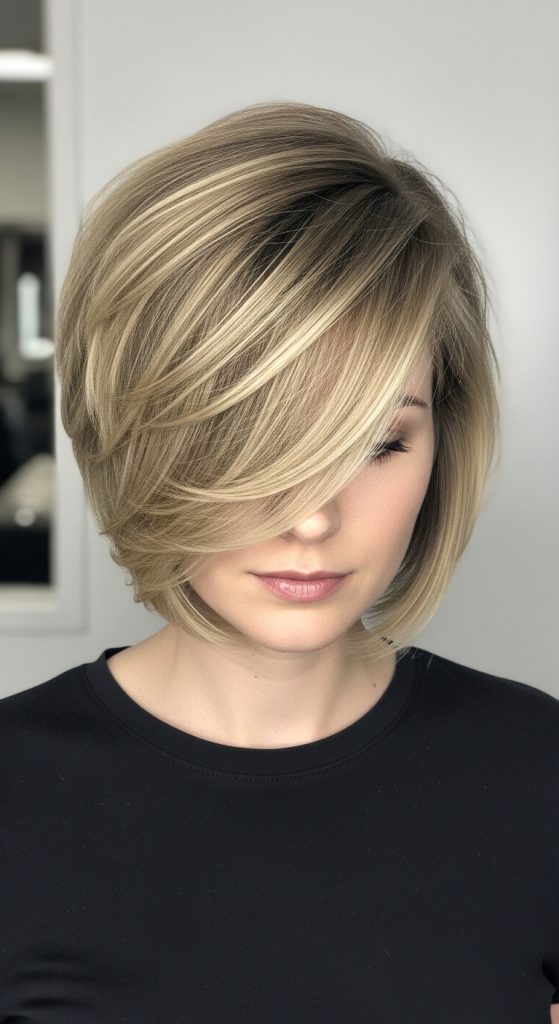
8. Side-Swept Butterfly Cut (Directional Volume Style)
What it is
This version focuses on asymmetry and direction, where most of the volume and layering is pushed to one side. Instead of balanced, centered styling, it creates a dynamic look with movement flowing across the face.
Most short haircuts look static because everything falls evenly on both sides. This variation breaks that pattern by creating intentional imbalance, which adds visual interest and modern edge.
It’s a strong style—but still wearable when done correctly.
How to implement (practical steps)
Cut structure:
- Keep one side slightly longer than the other
- Add layered sections that naturally fall toward one side
- Blend back smoothly to avoid harsh disconnection
- Keep ends soft, not blunt
Direction strategy:
- Layers should guide hair in one main direction
- Avoid symmetrical layering—it defeats the purpose
Styling approach:
- Blow-dry hair toward one side using round brush
- Use light hold spray to maintain direction
- Keep movement soft, not stiff
For thicker hair:
- Remove bulk on heavier side
For fine hair:
- Keep layers longer to maintain density
Best for
- Oval or heart-shaped faces
- People who want a slightly edgy but controlled look
- Those bored of symmetrical styles
This works best when you want your haircut to stand out without being extreme.
Pro tip
Create a natural parting that supports the direction. Forcing a part where hair doesn’t want to fall ruins the effect.
Mistake to avoid
Don’t exaggerate the asymmetry too much. If one side is significantly longer, it starts looking unbalanced instead of stylish.
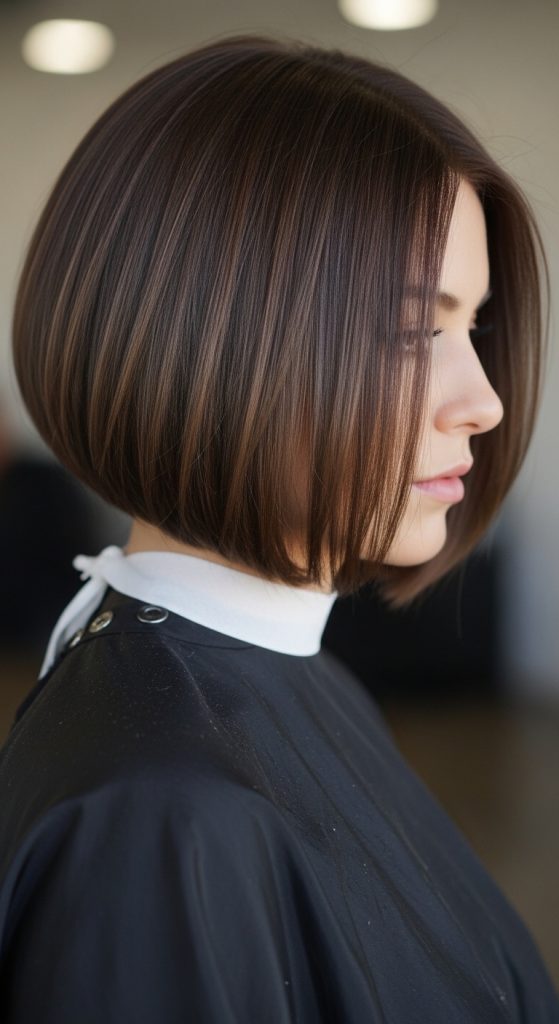
9. Soft Curved Butterfly Bob (Rounded Volume Shape)
What it is
This version focuses on creating a rounded, curved silhouette using butterfly layering. Instead of straight or angular lines, the haircut follows a soft circular shape around the head.
Most short cuts look boxy or flat because they lack curvature. This style fixes that by building controlled volume that wraps around the face, making the hair look fuller and more polished.
It’s subtle—but extremely effective for creating a “salon-finished” look even with minimal styling.
How to implement (practical steps)
Cut structure:
- Keep base length at jawline or slightly below
- Add layers that follow a rounded shape (not straight cuts)
- Keep ends slightly tucked inward
- Blend layers smoothly to avoid sharp angles
Shape control:
- Focus on even distribution of volume around the head
- Avoid flat top or overly bulky sides
Styling approach:
- Blow-dry with round brush, curving ends inward
- Focus on smoothness and shine
- Use light serum only on ends
For straight hair:
- Use smoothing cream for polish
For wavy hair:
- Control frizz while keeping natural softness
Best for
- Square or angular face shapes
- Fine to medium hair
- People who want polished, elegant styles
This works best when your haircut looks too sharp or lacks softness.
Pro tip
Keep the curve subtle. Over-rounding makes the style look outdated instead of modern.
Mistake to avoid
Don’t create too much bulk at the sides. The shape should feel balanced, not heavy around the cheeks.
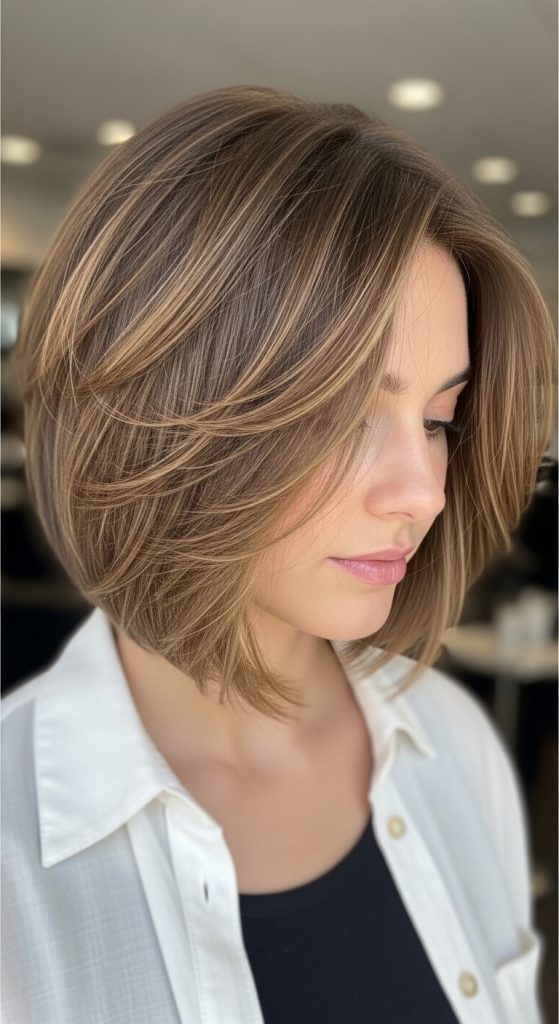
10. Layered Butterfly Bob with Wispy Ends (Lightweight, Airy Finish)
What it is
This variation focuses on creating an ultra-light, feathery finish at the ends while keeping the structure of a short butterfly bob intact. The goal is to remove heaviness from the bottom so the hair feels soft, bouncy, and effortless instead of thick and blocky.
Most short haircuts look stiff because the ends are too blunt. That creates a “helmet effect” where the hair just sits there without movement. Wispy ends fix that by allowing the hair to break slightly at the edges, giving a natural, flowing finish.
This style is subtle—but it’s what separates average haircuts from ones that look professionally done.
How to implement (practical steps)
Cut structure:
- Keep base length around chin level
- Add soft layers throughout, but focus on refining the ends
- Use point cutting or razor technique to create wispy texture
- Avoid straight blunt lines at the bottom
Layer balance:
- Top layers create movement
- Bottom layers stay light but not thin
- Blend carefully so ends look natural, not chopped
Styling approach:
- Use a light texturizing spray for separation
- Avoid heavy oils—they kill the airy effect
- Let ends fall naturally instead of forcing shape
For fine hair:
- Keep wispy effect controlled to avoid looking thin
For thick hair:
- This technique helps remove excess bulk beautifully
Best for
- Medium to thick hair
- People who want soft, natural movement
- Those tired of heavy, blunt haircuts
This works best when your hair feels thick and stiff at the ends.
Pro tip
Less is more. A small amount of wispy detailing makes a big difference—overdoing it ruins density.
Mistake to avoid
Don’t over-thin the ends. Once the bottom loses too much weight, the haircut starts looking weak and uneven.
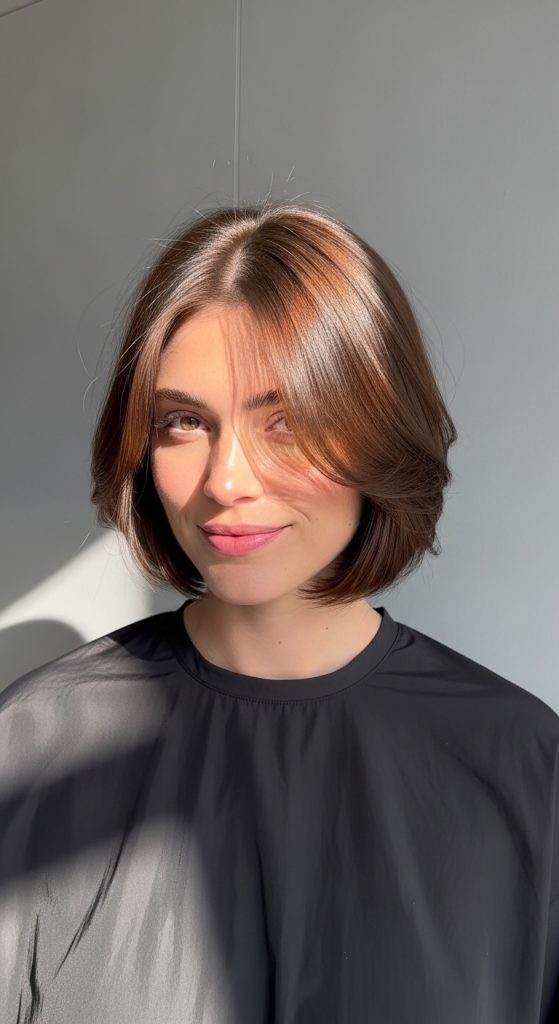
11. Minimal Butterfly Cut for Short Hair (Clean, Low-Maintenance Version)
What it is
This is the most controlled and practical version of the butterfly haircut. Instead of obvious layers, it uses very subtle internal layering to create shape while keeping the haircut looking clean and simple.
Most people don’t actually want dramatic layered styles—they want something that looks good without daily effort. That’s exactly what this version delivers. It gives just enough movement to avoid flatness, but not enough to require constant styling.
It’s a “quiet luxury” haircut—it doesn’t scream for attention, but it always looks put together.
How to implement (practical steps)
Cut structure:
- Keep base length clean (chin or slightly below)
- Add minimal, hidden layers inside the hair
- Keep outer shape smooth and structured
- Avoid visible choppy or dramatic layering
Layer strategy:
- Focus on internal weight removal, not visible shape change
- Maintain density at the ends
- Keep transitions extremely soft
Styling approach:
- Simple blow-dry or even air-dry works
- Use lightweight serum for smoothness
- Minimal styling effort required
For straight hair:
- This cut looks sleek and polished naturally
For wavy hair:
- Keeps waves controlled without puffiness
Best for
- Busy lifestyles
- People who prefer clean, simple looks
- Fine to medium hair types
This works best when you want a haircut that always looks neat without effort.
Pro tip
Tell your stylist: “I want invisible layers, not visible layers.” That one detail completely changes the result.
Mistake to avoid
Don’t expect dramatic volume from this cut. It’s designed for subtle improvement, not bold transformation.