
Creating a cozy living room in a small space is not about squeezing furniture into limited square footage—it’s about designing intentionally. Small living rooms have incredible potential. With the right decorating strategies, they can feel warm, inviting, stylish, and even spacious. The key is understanding how to combine comfort, functionality, and visual balance without overwhelming the room.
Modern living often means compact apartments, studio layouts, or smaller homes. But small doesn’t mean lacking personality or charm. In fact, smaller spaces allow for more thoughtful design decisions. Every furniture piece matters. Every decorative accent contributes to the overall mood. And when done correctly, a small living room can feel far more intimate and welcoming than a large, impersonal one.
Cozy design is rooted in comfort. Soft textures, layered lighting, warm tones, and intentional furniture placement all contribute to that feeling. However, in small spaces, these elements must be applied strategically. Too many accessories create clutter. Oversized furniture shrinks the room. Dark corners make the space feel tight. The solution lies in balance—layering warmth without sacrificing openness.
One of the most important principles in small living room decorating is scale. Furniture must fit proportionally. Rugs should define areas without overwhelming them. Lighting should add depth without crowding surfaces. Vertical space must be utilized effectively. Walls become storage opportunities. Corners transform into reading nooks. Even window sills can become design features.
Another essential factor is visual flow. A small room should feel uninterrupted. Clear walkways, cohesive color palettes, and minimal clutter allow the eye to move freely. When sightlines remain open, the space automatically feels larger. Light plays a critical role here. Natural light should be maximized, and artificial lighting layered thoughtfully to eliminate shadows.
Cozy doesn’t mean heavy or dark. While rich tones can create warmth, small spaces often benefit from light foundations layered with texture. Think neutral walls paired with plush throws, woven baskets, soft rugs, and warm accent lighting. Texture builds coziness without shrinking the room visually.
Functionality is equally important. A small living room often serves multiple purposes—relaxing, entertaining, working, and sometimes dining. Multi-functional furniture becomes essential. Storage ottomans, nesting tables, wall-mounted shelves, and compact sofas keep the space efficient while maintaining comfort.
The beauty of small living rooms lies in their intimacy. When decorated thoughtfully, they feel curated and intentional. Every pillow, lamp, and artwork choice contributes to a unified aesthetic. Cozy design thrives on personalization—family photos, favorite books, meaningful décor pieces. But moderation is key. The goal is styled, not crowded.
In this guide, you’ll discover 20 detailed and practical cozy living room decorating ideas specifically tailored for small spaces. Each idea includes clear explanations, actionable steps, and material suggestions to help you implement them confidently. These ideas are beginner-friendly, budget-conscious where possible, and designed to create Pinterest-worthy results without major renovations.
If you’re ready to transform your small living room into a warm, inviting retreat that feels bigger than it looks, let’s begin with the first set of cozy decorating ideas.
IDEA 1: Choose a Compact, Deep-Seated Sofa
Introduction
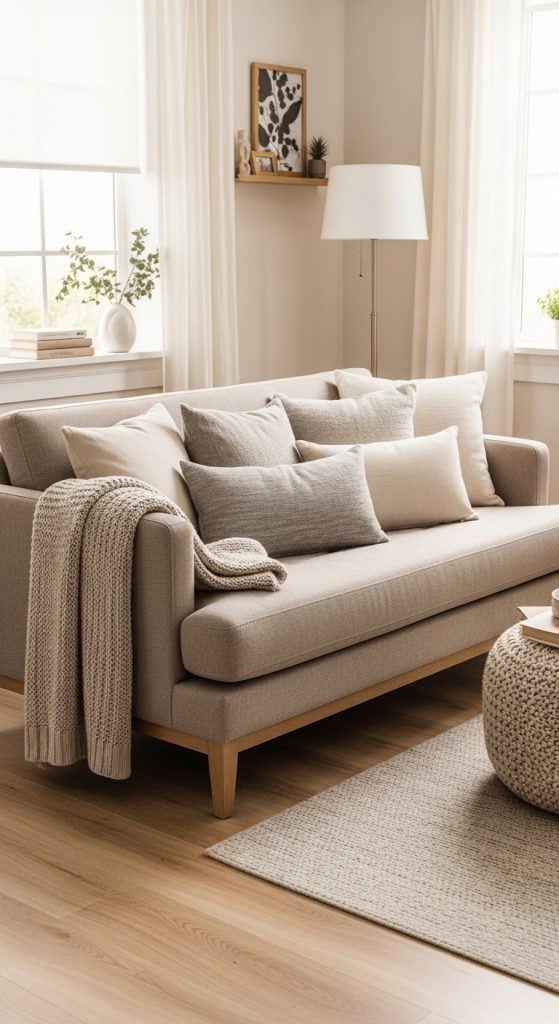
The sofa is the heart of any living room. In a small space, choosing the right sofa determines whether the room feels cramped or comfortable. Oversized sectionals may look luxurious in large homes, but in compact living rooms, they can overwhelm the layout instantly. Instead, opt for a compact sofa with deep seating. This provides comfort without sacrificing valuable floor space.
A loveseat or apartment-sized sofa with slim arms and raised legs creates an airy feel. Deep cushions add coziness, encouraging relaxation. Neutral upholstery such as beige, soft gray, or cream keeps the space feeling open, while textured fabrics like linen or boucle add warmth.
Raised legs are particularly important—they allow light to pass underneath, visually enlarging the room. Avoid bulky designs with thick arms or low profiles that hug the floor. The goal is balance: comfort combined with proportion.
When styled with layered pillows and a throw blanket, a compact sofa becomes both functional and inviting without dominating the space.
What This Idea Means
Selecting a properly scaled sofa that maximizes comfort while preserving visual openness.
Step-by-Step How-To
- Measure your available wall space.
- Choose a sofa under 84 inches for small rooms.
- Select light or neutral upholstery.
- Look for slim arms and raised legs.
- Add 2–4 layered cushions for warmth.
- Drape a cozy throw over one arm.
Materials / Items Needed
- Apartment-sized sofa
- Throw pillows
- Textured throw blanket
- Measuring tape
IDEA 2: Use Light-Colored Walls with Warm Accents
Introduction
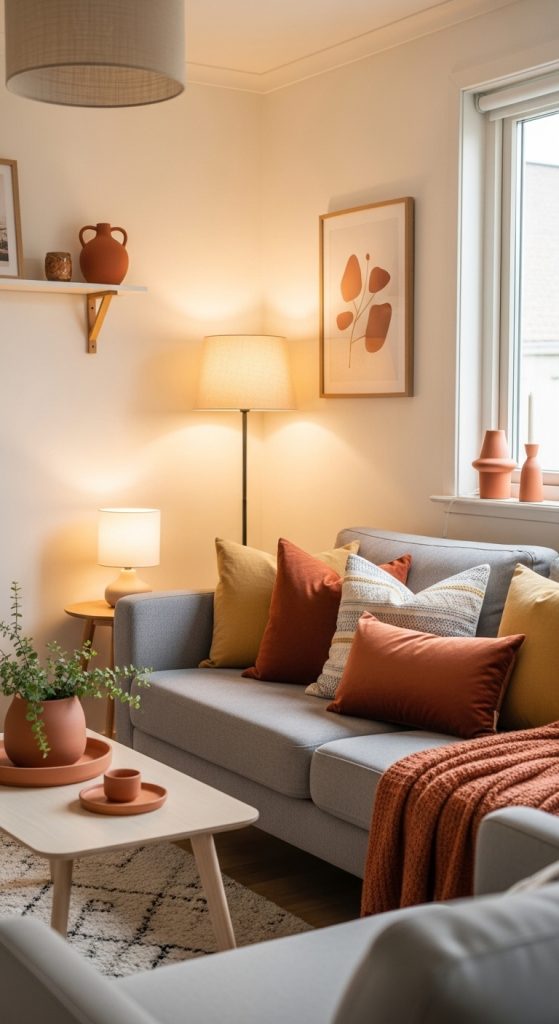
Wall color dramatically impacts how cozy and spacious a small living room feels. Light, neutral walls create an open and airy foundation, preventing the room from feeling boxed in. Whites, soft creams, and pale grays are excellent choices that reflect light and enhance visual space. However, small living rooms also need warmth to feel inviting, and that’s where accent colors come in.
Incorporating warm accent tones—like soft terracotta, muted mustard, blush pink, or sage green—through pillows, throws, artwork, or small décor items adds personality without overwhelming the space. A balanced approach keeps the room feeling cozy and modern while maintaining an open feel.
This strategy also allows flexibility for future changes. By keeping walls neutral, you can update accent colors seasonally or according to trends, ensuring the room remains stylish without major repainting. Warm accents layered with texture, such as knitted pillows or velvet cushions, create a welcoming environment even in compact spaces.
What This Idea Means
Painting walls light colors and layering cozy warm accents to visually expand and soften a small living room.
Step-by-Step How-To
- Select a primary light neutral wall color.
- Paint all walls evenly with quality matte or eggshell paint.
- Choose warm-toned accent accessories.
- Add accent pillows, rugs, or throws.
- Consider small framed artwork in coordinating tones.
Materials / Items Needed
- Wall paint (neutral)
- Paint brushes or rollers
- Accent pillows and throws
- Small decorative items
- Painter’s tape
IDEA 3: Incorporate Multi-Functional Furniture
Introduction
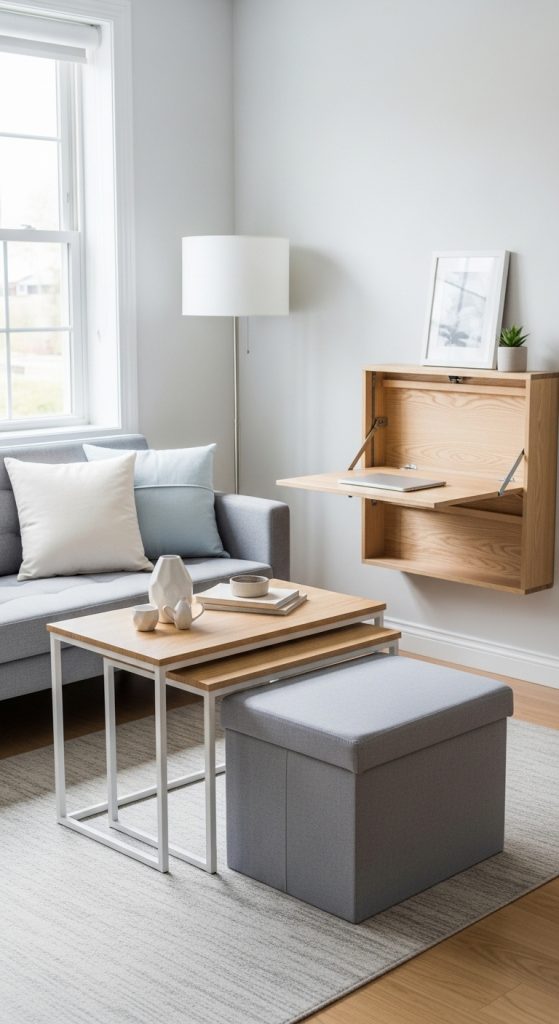
In a small living room, every piece of furniture must work harder. Multi-functional furniture is essential for maximizing space while maintaining comfort and style. This includes storage ottomans, nesting tables, foldable desks, or sofa beds. These pieces reduce clutter while providing flexibility for everyday use and entertaining.
For example, an ottoman with hidden storage can hold blankets, books, or remote controls, keeping the room tidy. Nesting tables serve as side tables or coffee tables as needed but can be compactly nested when not in use. Foldable desks or wall-mounted tables allow a workspace to disappear when not required.
Modern small living rooms benefit from furniture that doesn’t dominate visual space. Multi-functional pieces often have clean lines, light finishes, and elevated legs that create an airy feeling. Beyond practicality, these items contribute to a cohesive, stylish, and Pinterest-worthy aesthetic.
What This Idea Means
Choosing furniture that serves multiple purposes to maximize storage, functionality, and style in a small living room.
Step-by-Step How-To
- Evaluate your living room’s functional needs.
- Identify areas lacking storage or surfaces.
- Select furniture with hidden compartments or dual-purpose functionality.
- Ensure the scale fits your room without crowding.
- Style pieces minimally for a clean, modern feel.
Materials / Items Needed
- Storage ottoman
- Nesting tables
- Foldable or multi-purpose desk
- Baskets or decorative bins
- Measuring tape
IDEA 4: Layer Soft Textiles for Warmth
Introduction
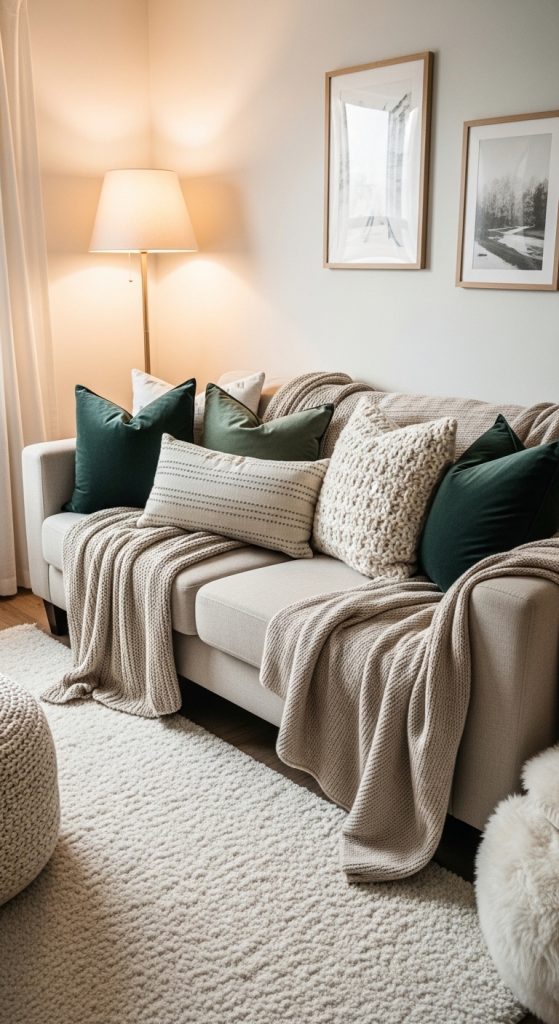
Texture is one of the easiest ways to make a small living room feel cozy without taking up additional space. Layering soft textiles—such as rugs, throws, and cushions—adds depth, warmth, and visual interest. Even compact living rooms can feel inviting when textiles create a tactile, comfortable environment.
A plush area rug anchors the seating area while adding softness underfoot. Layering throw blankets on sofas and chairs creates a lived-in, welcoming vibe. Mix and match textures like chunky knits, velvet cushions, and faux fur to prevent monotony. In small spaces, textiles act as decorative focal points without overwhelming the room physically.
This strategy also allows seasonal adjustments. Switching pillows, throws, or rugs keeps the living room feeling fresh and trendy throughout the year. Combined with light walls, well-chosen textiles enhance a small space, giving it personality, warmth, and Pinterest-worthy charm.
What This Idea Means
Adding rugs, pillows, and throws in varying textures to create a warm, cozy, and visually appealing small living room.
Step-by-Step How-To
- Measure your living area for a proportionate rug.
- Place a soft rug to define seating.
- Layer 2–4 throw pillows of varying textures on the sofa.
- Drape a throw blanket over the armrest or back of the sofa.
- Consider adding a small textured pouf for extra seating.
Materials / Items Needed
- Area rug (proportional size)
- Throw pillows
- Throw blankets
- Pouf or floor cushion
IDEA 5: Maximize Natural Light
Introduction
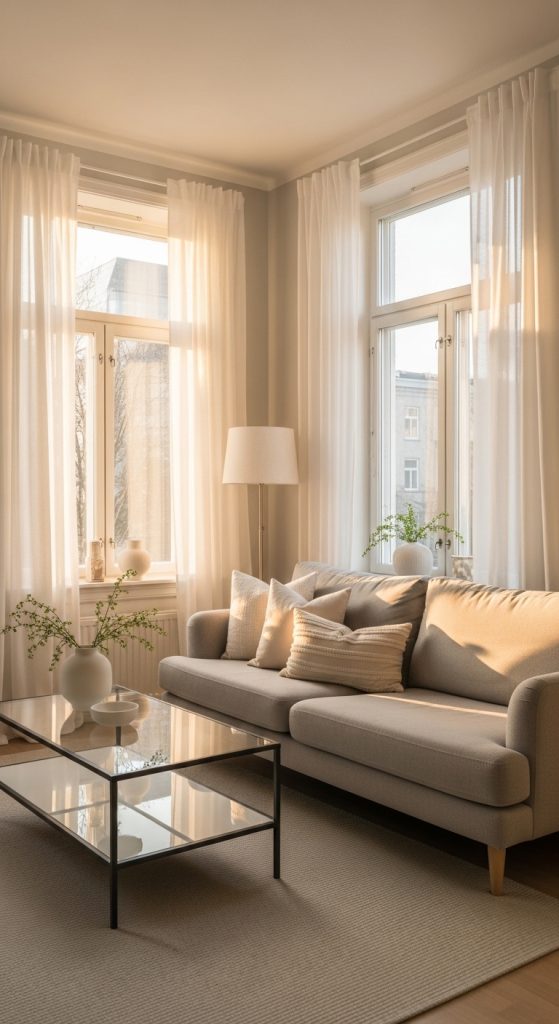
Natural light is a game-changer in small living rooms. Bright sunlight makes a room feel larger, more inviting, and instantly cozy. In compact spaces, maximizing natural light is essential to prevent the room from feeling cramped or gloomy. The more light that enters, the more expansive the space feels.
Large windows are ideal, but if your small living room has limited window area, there are strategies to amplify light. Keep window treatments minimal with sheer curtains or blinds that fully retract. Position mirrors across from windows to reflect daylight deeper into the room. Light-colored walls and ceilings further enhance brightness, while glossy surfaces subtly bounce light around.
Natural light also complements cozy design elements. It highlights textures in rugs, throws, and pillows, making the room feel tactile and inviting. Combining sunlight with layered artificial lighting ensures the living room remains warm and functional even after dusk.
What This Idea Means
Optimizing natural light through window treatments, reflective surfaces, and light colors to make a small living room feel open and cozy.
Step-by-Step How-To
- Remove heavy drapes or bulky curtains.
- Install sheer or light-filtering window treatments.
- Place mirrors opposite windows to reflect sunlight.
- Use light-colored walls and décor.
- Keep windows clean for maximum brightness.
Materials / Items Needed
- Sheer curtains or light blinds
- Wall-mounted mirror
- Light-colored paint or décor items
- Cleaning supplies for windows
IDEA 6: Add a Cozy Reading Nook
Introduction
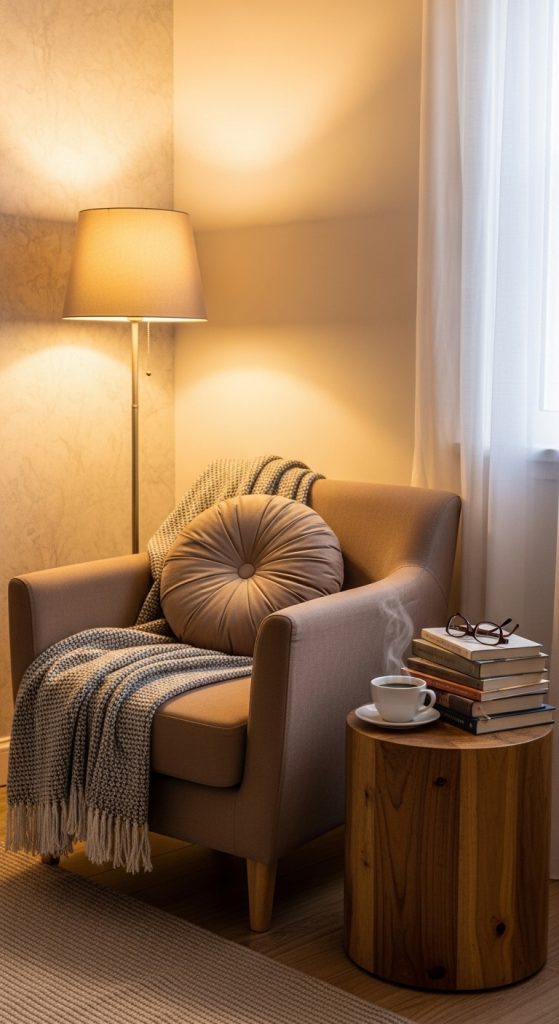
Even in a small living room, creating a dedicated reading corner adds both function and charm. A cozy reading nook transforms a corner into a personal retreat for relaxation, making the space feel inviting and lived-in. Small spaces benefit from multifunctional corners like this, which add purpose without overcrowding.
Choose a compact armchair, small accent chair, or cushioned bench. Add a floor lamp or table lamp with warm light, along with a small side table for books or a cup of coffee. Layer pillows and a soft throw to create a tactile, comfortable environment. Vertical shelving above or beside the chair can store books and décor items without using floor space.
A reading nook enhances the perception of intimacy and coziness. Even minimal spaces can feel more dynamic and personalized with a small corner dedicated to relaxation. It’s a highly Pinterest-worthy design element for small living rooms that combines style, function, and comfort.
What This Idea Means
Designing a small corner with a chair, lighting, and storage for a functional and cozy reading space.
Step-by-Step How-To
- Select an underutilized corner of the room.
- Place a compact chair or bench with cushions.
- Add a small side table for essentials.
- Install a floor or table lamp for warm lighting.
- Add wall-mounted shelves for books or décor.
Materials / Items Needed
- Compact armchair or cushioned bench
- Floor lamp or table lamp
- Side table
- Pillows and throw
- Wall-mounted shelving
IDEA 7: Use Vertical Wall Space for Storage
Introduction
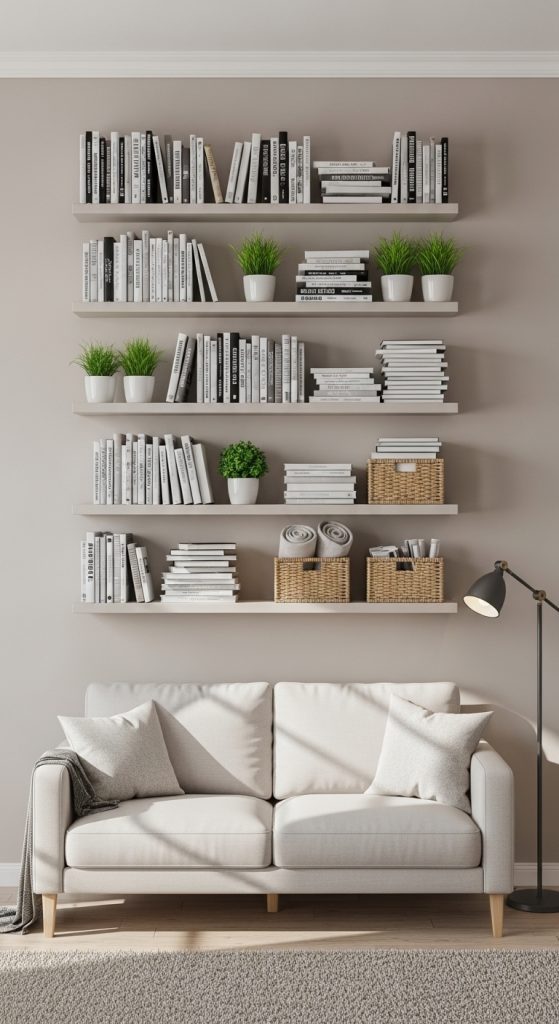
Small living rooms often lack floor space, but vertical wall space is an untapped opportunity. Installing shelves, cubbies, or wall-mounted storage units keeps the floor clear while adding organization and style. Vertical storage helps small rooms feel uncluttered, maximizing both function and aesthetic appeal.
Floating shelves are a particularly versatile option. They can display books, plants, or decorative items without consuming any floor area. Tall narrow shelving units also work well for storing baskets, throws, or magazines. Group items neatly and maintain consistent spacing to avoid visual clutter.
Vertical storage not only organizes belongings but also draws the eye upward, creating the illusion of height. Combined with layered lighting and thoughtful furniture placement, this strategy makes a small living room feel airy, cozy, and intentional.
What This Idea Means
Installing wall-mounted shelves or vertical storage solutions to free up floor space and enhance the small living room’s style.
Step-by-Step How-To
- Identify unused vertical wall areas.
- Choose floating shelves or vertical shelving units.
- Measure and mark positions for even placement.
- Secure shelves using anchors and screws.
- Style with decorative baskets, books, or plants.
Materials / Items Needed
- Floating shelves or vertical shelving units
- Screws and wall anchors
- Decorative baskets or storage boxes
- Measuring tape
- Level
IDEA 8: Opt for Mirrors to Expand the Space
Introduction
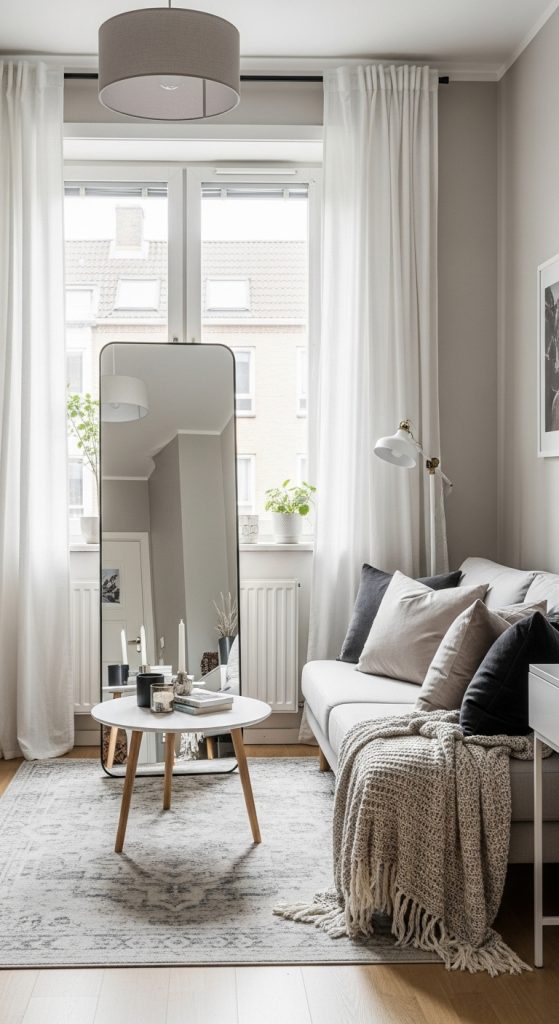
Mirrors are a powerful tool in small living rooms. Beyond their practical use, they reflect light and create the illusion of more space, making a room feel brighter and larger than it actually is. A thoughtfully placed mirror enhances both visual appeal and functionality.
Large floor mirrors or wall-mounted statement mirrors are ideal. Positioning them opposite windows or light sources amplifies daylight and distributes artificial light evenly. Multiple smaller mirrors arranged in a grid or gallery style can also add depth and dimension.
Mirrors contribute to the cozy feel by visually opening up the room while complementing modern or classic décor styles. In compact living rooms, even one well-placed mirror can transform the perception of size, balance the layout, and add a decorative focal point.
What This Idea Means
Using mirrors strategically to reflect light, visually expand the room, and add a decorative focal point.
Step-by-Step How-To
- Identify wall space opposite a window or light source.
- Choose a mirror size proportional to the wall.
- Install securely with proper anchors.
- Ensure it reflects something visually appealing.
- Style surrounding décor minimally to avoid clutter.
Materials / Items Needed
- Wall-mounted or floor mirror
- Screws and anchors
- Level
- Measuring tape
IDEA 9: Layer Lighting for Ambiance
Introduction
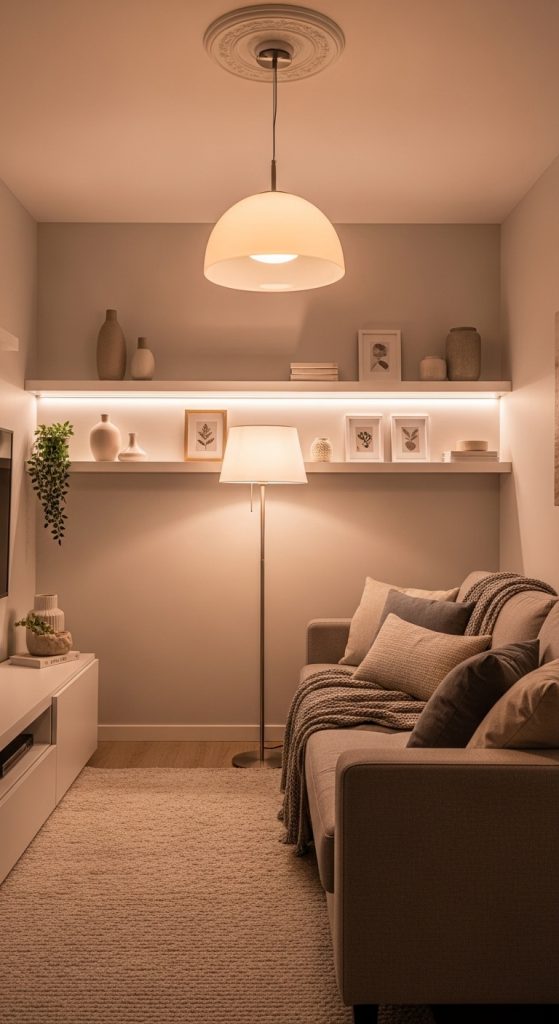
Lighting dramatically impacts how cozy and inviting a small living room feels. A single overhead light often leaves corners dark, making the space appear smaller. Layering different types of lighting—ambient, task, and accent—creates warmth, depth, and functionality.
Ambient lighting sets the overall mood with ceiling fixtures or recessed lights. Task lighting, like floor lamps or table lamps near seating, adds practicality for reading or working. Accent lighting, such as wall sconces, LED strips, or small spotlights, highlights décor elements or architectural features.
Layered lighting allows small spaces to feel dynamic and comfortable. Combining warm tones with dimmable options enhances coziness. Even in compact living rooms, this approach ensures every corner is both functional and stylish, creating a Pinterest-worthy layered look.
What This Idea Means
Combining ambient, task, and accent lighting to make a small living room cozy, functional, and visually appealing.
Step-by-Step How-To
- Identify functional areas: seating, reading, décor highlights.
- Install ambient lighting as primary light source.
- Add floor or table lamps for task lighting.
- Incorporate accent lighting for highlights.
- Use warm light bulbs to enhance coziness.
Materials / Items Needed
- Ceiling fixture or recessed lights
- Floor or table lamps
- LED strips or accent lights
- Warm LED bulbs
- Dimmer switches (optional)
IDEA 10: Add Small Area Rugs to Define Spaces
Introduction
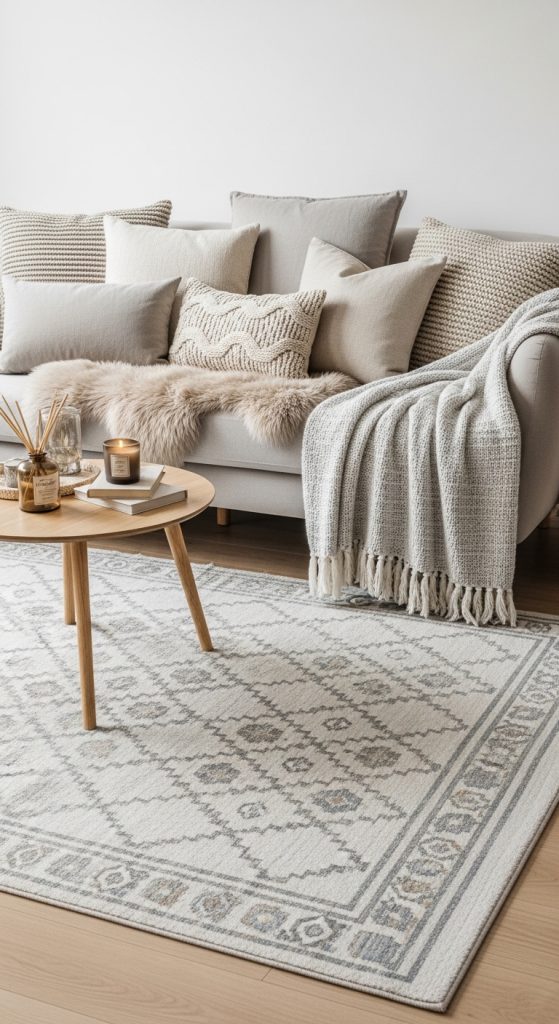
In a small living room, rugs are more than décor—they define areas, add texture, and enhance warmth. Using area rugs strategically can create the illusion of separate zones, such as a seating area or reading corner, even within one compact space.
Choose rugs proportional to the furniture layout. A rug slightly smaller than the sofa length visually anchors the seating without making the room feel crowded. Layering smaller rugs or using textured or patterned designs can also add depth and interest.
Rugs provide tactile comfort underfoot and contribute to the cozy factor. Light, neutral colors maintain openness, while warm tones and soft textures make the room feel inviting. The right rug visually balances furniture, improves flow, and adds a polished Pinterest-ready finish to a small living room.
What This Idea Means
Using rugs to define areas, add texture, and enhance the cozy atmosphere in a compact living room.
Step-by-Step How-To
- Measure the floor area to select a proportional rug.
- Place the rug under the main seating area.
- Ensure furniture legs sit partially on the rug for balance.
- Choose textures or patterns that complement the décor.
- Maintain open walkways around the rug.
Materials / Items Needed
- Area rug (size-appropriate)
- Non-slip rug pad
- Furniture placement plan
- Optional smaller accent rugs
IDEA 11: Install Floating Shelves for Decor and Storage
Introduction
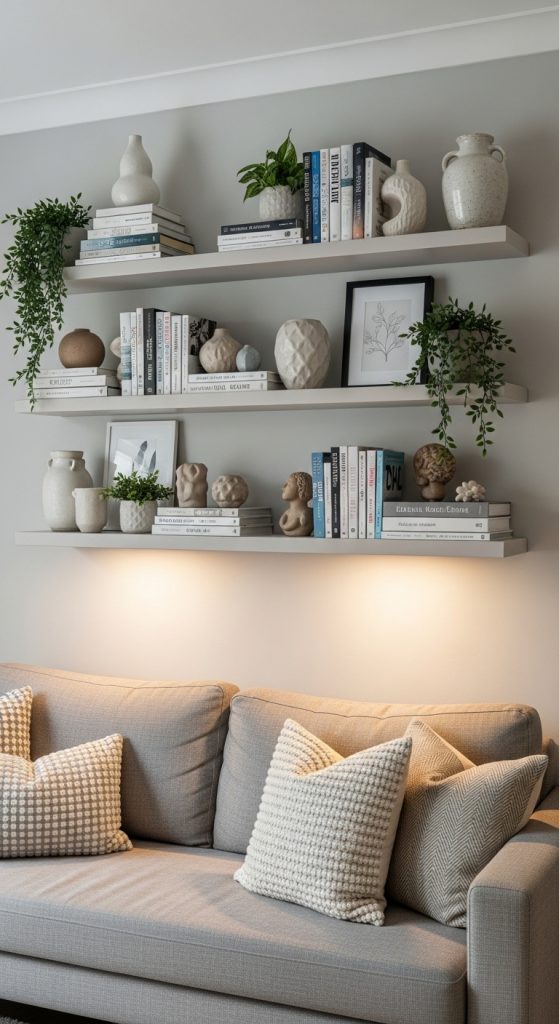
Floating shelves are a game-changer for small living rooms. They provide storage and display space without taking up any floor area, keeping the room airy while allowing personalization. In cozy small spaces, floating shelves combine functionality with aesthetic appeal, offering room for books, framed photos, small plants, or decorative objects.
Unlike bulky cabinets, floating shelves maintain visual openness. They are perfect for vertical wall space, helping to draw the eye upward and create the illusion of height. This is particularly helpful in compact living rooms with limited floor space. Additionally, shelves can be styled seasonally or rotated with different accessories to keep the space fresh and dynamic.
Styling floating shelves correctly balances practicality and design. Uniform objects or curated clusters prevent clutter, while varying heights add visual interest. Combined with layered lighting, these shelves enhance both the cozy atmosphere and the Pinterest-worthy style of your small living room.
What This Idea Means
Using wall-mounted floating shelves to maximize storage and display while keeping the small living room visually open.
Step-by-Step How-To
- Identify empty wall space above seating or near corners.
- Choose shelves proportional to wall width and room size.
- Install securely with wall anchors.
- Style with a mix of books, plants, and small décor items.
- Keep spacing consistent for a clean look.
Materials / Items Needed
- Floating shelves
- Screws and wall anchors
- Level and measuring tape
- Books, plants, and décor items
IDEA 12: Choose Compact Coffee Tables
Introduction
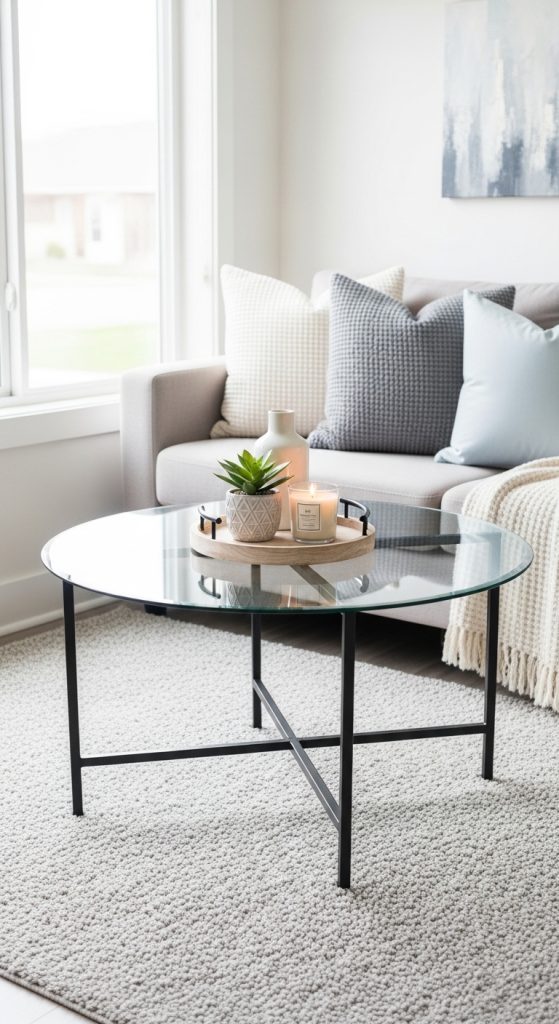
A coffee table anchors a living room, but in small spaces, oversized tables can make the room feel cramped. Choosing a compact coffee table ensures functionality without overwhelming the area. Round or oval tables work well to improve circulation, while minimalist rectangular tables with raised legs create an open feel.
Compact tables often come with built-in storage or lower shelves for books, magazines, or baskets, combining practicality with style. Light-colored or glass tables enhance visual space, while textured finishes like wood or rattan add warmth.
Coffee tables in small living rooms should be proportional to seating and allow easy movement around the room. The right table adds coziness and keeps the space organized. Even minimal styling, such as a decorative tray, small plant, or candle, creates a Pinterest-worthy centerpiece.
What This Idea Means
Selecting a compact, proportionate coffee table to anchor the living area while maintaining openness.
Step-by-Step How-To
- Measure the area between sofas or chairs.
- Choose a table under two-thirds the sofa length.
- Consider round or oval shapes for better flow.
- Select built-in storage or lower shelves for functionality.
- Style minimally with small décor or a tray.
Materials / Items Needed
- Compact coffee table
- Decorative tray or bowl
- Small plant or candle
- Measuring tape
IDEA 13: Add Accent Chairs in Corners
Introduction
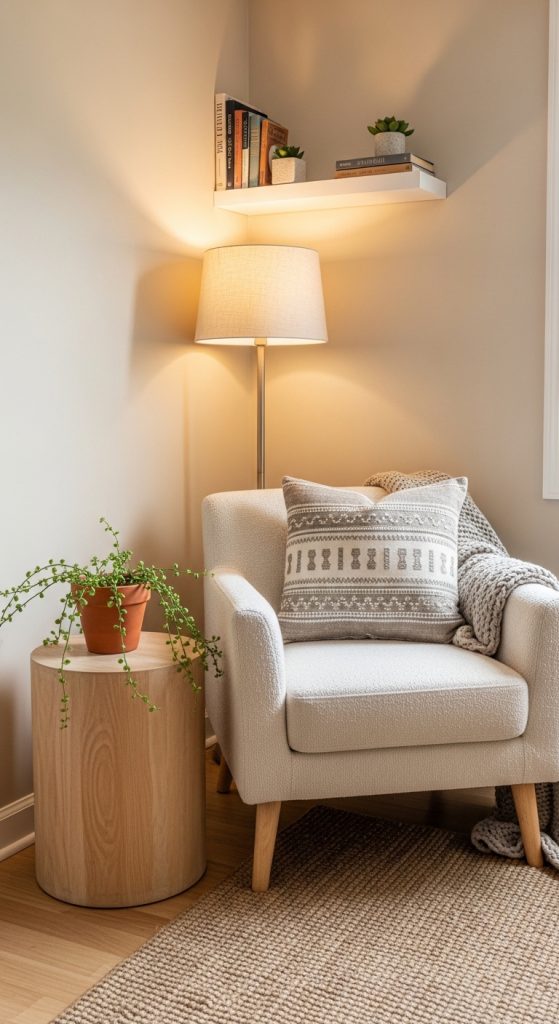
Accent chairs provide additional seating without overwhelming small living rooms. Carefully chosen chairs can double as statement pieces while filling empty corners, creating balance and coziness. Compact chairs with slim profiles, raised legs, and light upholstery integrate seamlessly into small spaces.
When positioned strategically, accent chairs improve circulation and create intimate conversation areas. Pairing them with a small side table or floor lamp transforms an overlooked corner into a functional reading or relaxing nook. Choosing chairs with a slightly angled back adds comfort, while textured or patterned fabrics inject personality.
Accent chairs enhance both form and function. They break the monotony of sofa seating, add visual depth, and provide practical comfort. This idea is especially effective in Pinterest-style cozy living rooms where every piece contributes to a curated, inviting aesthetic.
What This Idea Means
Using compact accent chairs in corners to create additional seating and a cozy, styled atmosphere.
Step-by-Step How-To
- Identify unused corners or spaces near windows.
- Choose chairs with proportionate dimensions.
- Place a small side table or floor lamp nearby.
- Add a cushion or throw for comfort.
- Ensure chairs don’t obstruct pathways.
Materials / Items Needed
- Compact accent chair
- Side table or small shelf
- Floor or table lamp
- Cushion or throw